


Daily Archives: July 30, 2026
Future of Hydrogen-Powered Cars: Potential and Challenges
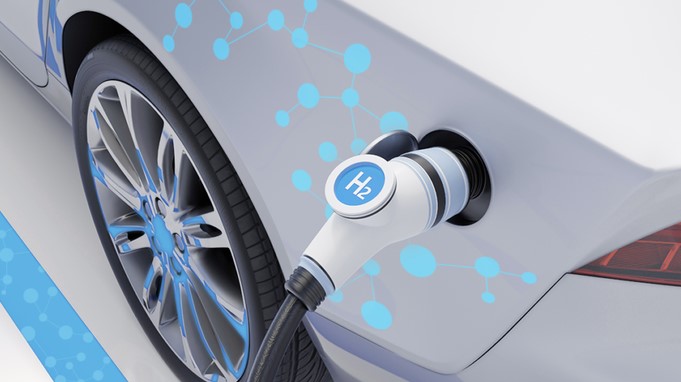
Source:https://oneh2.com
Imagine pulling up to a filling station, inserting a nozzle into your car, and completely replenishing 400 miles of driving range in less than five minutes. You shift into drive, accelerate in total silence with the instant torque of an electric vehicle, and the only substance exiting your tailpipe is pure, drinkable water. No heavy battery packs, no multi-hour charging sessions, and zero greenhouse emissions.
It sounds like science fiction, but this is the real-world promise of hydrogen fuel cell technology. Over my decade-long career testing cutting-edge alternative drivetrains and evaluating fleet logistics, I have had the rare opportunity to sit behind the wheel of hydrogen development vehicles. I can tell you firsthand that driving one feels like magic—but the engineering reality behind the scenes is one of the most complex battlegrounds in automotive history.
As the world scrambles to decarbonize transportation, the future of hydrogen-powered cars stands at a fascinating crossroads. Let’s take an honest, deep-dive look into the technical potential and the massive logistical roadblocks shaping this zero-emission alternative.
How It Works: The Chemistry Lab Under the Hood
To understand a hydrogen car, you first need to understand that it is actually an electric car in disguise. Beginners often mistake hydrogen vehicles for traditional combustion engines that burn hydrogen gas. In reality, modern passenger hydrogen vehicles are Fuel Cell Electric Vehicles (FCEVs).
Instead of carrying a massive, heavy lithium-ion battery pack to store electricity, an FCEV carries its fuel in high-pressure carbon-fiber tanks. Think of the fuel cell stack under the hood like a miniature, reverse-chemical power plant.
-
Hydrogen gas ($H_2$) is fed from the tank into one side of the fuel cell.
-
Oxygen ($O_2$) from the outside air is drawn into the other side.
-
An internal catalyst forces the hydrogen electrons to separate from their protons, creating an electrical current that powers the drive motor.
-
The electrons, protons, and oxygen then recombine, leaving behind nothing but water ($H_2O$).
The FCEV Energy Lifecycle:
[Compressed Hydrogen Tank] ➔ [Fuel Cell Stack + Oxygen] ➔ [Electricity to Motor] + [Water Vapor Out]
The Ultimate Potential: Why Hydrogen Excels Where EVs Struggle
The current automotive conversation is dominated by Battery Electric Vehicles (BEVs). However, as someone who studies long-term infrastructure, I know that batteries have inherent physical limitations that hydrogen beautifully bypasses.
1. The Weight-to-Range Paradigm
If you want a battery-powered SUV to travel farther, you have to add more battery cells. The catch? More batteries add immense weight, requiring the car to waste more energy just to move itself.
Hydrogen possesses an incredibly high energy density by weight. Adding more range to an FCEV simply requires a slightly larger carbon-fiber tank, which weighs next to nothing when empty. This makes hydrogen the holy grail for larger, heavier vehicles like long-haul semi-trucks, delivery fleets, and large family SUVs.
2. Rapid Refueling Infrastructure
Charging a traditional EV to 80% at a public DC fast charger takes anywhere from 20 to 45 minutes under ideal conditions. For apartment dwellers without a garage, or commercial truck fleets running 24/7, that downtime is a massive operational bottleneck. A hydrogen vehicle dispenses compressed gas under high pressure (700 bar), matching the exact convenience of gas or diesel stations we have used for a century.
The Roadblocks: Evaluating the Current Challenges
If the technology is so brilliant, why aren’t our highways flooded with them? As an automotive realist, I have to point out the steep uphill battle facing the future of hydrogen-powered cars.
The Infrastructure Desert
The single biggest roadblock is the lack of fueling stations. Building a hydrogen station requires specialized cryogenic storage, high-pressure compressors, and reinforced dispensing hardware. A single hydrogen station can cost upwards of $2 million to construct, creating a classic “chicken-and-egg” dilemma: consumers won’t buy FCEVs without stations, and energy companies won’t build stations without cars on the road.
The Efficiency Paradox (Well-to-Wheel)
To understand the environmental impact, we must look at how hydrogen is produced. Hydrogen is the most abundant element in the universe, but it doesn’t exist purely on its own; it must be separated from water or natural gas.
-
Gray Hydrogen: Produced from natural gas via steam methane reforming. This is the cheapest method today, but it releases significant $CO_2$, defeating the purpose of a clean vehicle.
-
Green Hydrogen: Produced by using renewable electricity (solar or wind) to split water via electrolysis. This is 100% clean, but the process is highly energy-intensive.
Using electricity to create hydrogen, compressing it, shipping it to a station, and converting it back into electricity inside a car loses roughly 60% to 70% of the original energy along the way. Using that same original electricity to charge a battery electric vehicle directly is vastly more efficient.
Comparing FCEVs vs. BEVs for the Road Ahead
To help visualize where this technology sits for average consumers and fleet managers, let’s look at the operational metrics:
| Operational Metric | Fuel Cell Vehicles (FCEV) | Battery Electric Vehicles (BEV) |
| Refueling/Charging Time | 3 – 5 minutes | 20 – 60+ minutes (Fast Charging) |
| Cold Weather Range Loss | Minimal | Significant (Up to 20-30%) |
| Vehicle Curb Weight | Comparable to gas cars | Very Heavy (Due to battery pack) |
| Well-to-Wheel Efficiency | Low (~30-35% efficient) | High (~75-80% efficient) |
| Public Station Availability | Critically Limited (Regional pockets) | Widespread & Growing Daily |
💡 Pro Expert Advice: The Fleet vs. Passenger Realignment
If you are an automotive enthusiast tracking alternative energy, stop looking for hydrogen to replace the compact hatchback in your driveway anytime soon. The passenger car segment will remain heavily dominated by battery electric platforms due to cost.
Instead, look for hydrogen to completely revolutionize commercial transportation, heavy machinery, and long-haul shipping. Fleet operators who run vehicles on fixed, predictable hub-to-hub routes can easily justify building a centralized hydrogen station, allowing them to leverage the rapid refueling benefits without needing a massive public network.
Final Thoughts: A Diverse Clean Energy Mix
The future of hydrogen-powered cars is not a zero-sum game against battery electric vehicles. The automotive landscape of tomorrow will not rely on a single silver-bullet solution.
While battery electric drivetrains are perfectly suited for daily city commuting and light passenger vehicles, hydrogen fuel cells remain the most promising pathway to decarbonize heavy transport, long-distance towing, and heavy-duty industries. Pioneering manufacturers like Toyota and Hyundai continue to pour billions into refining fuel cell stacks, lowering costs, and proving the durability of this tech.
Would you consider driving a hydrogen vehicle if a station opened up in your local town, or do you believe battery-powered EVs have already won the race? Let me know your thoughts on the alternative energy shift in the comments below, and let’s discuss!