


Category Archives: Automotive
Future of Hydrogen-Powered Cars: Potential and Challenges
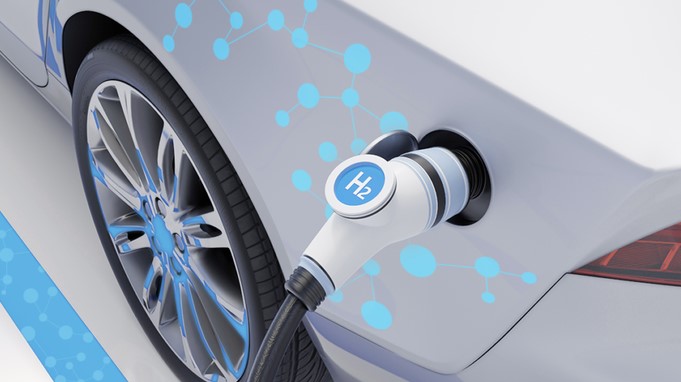
Source:https://oneh2.com
Imagine pulling up to a filling station, inserting a nozzle into your car, and completely replenishing 400 miles of driving range in less than five minutes. You shift into drive, accelerate in total silence with the instant torque of an electric vehicle, and the only substance exiting your tailpipe is pure, drinkable water. No heavy battery packs, no multi-hour charging sessions, and zero greenhouse emissions.
It sounds like science fiction, but this is the real-world promise of hydrogen fuel cell technology. Over my decade-long career testing cutting-edge alternative drivetrains and evaluating fleet logistics, I have had the rare opportunity to sit behind the wheel of hydrogen development vehicles. I can tell you firsthand that driving one feels like magic—but the engineering reality behind the scenes is one of the most complex battlegrounds in automotive history.
As the world scrambles to decarbonize transportation, the future of hydrogen-powered cars stands at a fascinating crossroads. Let’s take an honest, deep-dive look into the technical potential and the massive logistical roadblocks shaping this zero-emission alternative.
How It Works: The Chemistry Lab Under the Hood
To understand a hydrogen car, you first need to understand that it is actually an electric car in disguise. Beginners often mistake hydrogen vehicles for traditional combustion engines that burn hydrogen gas. In reality, modern passenger hydrogen vehicles are Fuel Cell Electric Vehicles (FCEVs).
Instead of carrying a massive, heavy lithium-ion battery pack to store electricity, an FCEV carries its fuel in high-pressure carbon-fiber tanks. Think of the fuel cell stack under the hood like a miniature, reverse-chemical power plant.
-
Hydrogen gas ($H_2$) is fed from the tank into one side of the fuel cell.
-
Oxygen ($O_2$) from the outside air is drawn into the other side.
-
An internal catalyst forces the hydrogen electrons to separate from their protons, creating an electrical current that powers the drive motor.
-
The electrons, protons, and oxygen then recombine, leaving behind nothing but water ($H_2O$).
The FCEV Energy Lifecycle:
[Compressed Hydrogen Tank] ➔ [Fuel Cell Stack + Oxygen] ➔ [Electricity to Motor] + [Water Vapor Out]
The Ultimate Potential: Why Hydrogen Excels Where EVs Struggle
The current automotive conversation is dominated by Battery Electric Vehicles (BEVs). However, as someone who studies long-term infrastructure, I know that batteries have inherent physical limitations that hydrogen beautifully bypasses.
1. The Weight-to-Range Paradigm
If you want a battery-powered SUV to travel farther, you have to add more battery cells. The catch? More batteries add immense weight, requiring the car to waste more energy just to move itself.
Hydrogen possesses an incredibly high energy density by weight. Adding more range to an FCEV simply requires a slightly larger carbon-fiber tank, which weighs next to nothing when empty. This makes hydrogen the holy grail for larger, heavier vehicles like long-haul semi-trucks, delivery fleets, and large family SUVs.
2. Rapid Refueling Infrastructure
Charging a traditional EV to 80% at a public DC fast charger takes anywhere from 20 to 45 minutes under ideal conditions. For apartment dwellers without a garage, or commercial truck fleets running 24/7, that downtime is a massive operational bottleneck. A hydrogen vehicle dispenses compressed gas under high pressure (700 bar), matching the exact convenience of gas or diesel stations we have used for a century.
The Roadblocks: Evaluating the Current Challenges
If the technology is so brilliant, why aren’t our highways flooded with them? As an automotive realist, I have to point out the steep uphill battle facing the future of hydrogen-powered cars.
The Infrastructure Desert
The single biggest roadblock is the lack of fueling stations. Building a hydrogen station requires specialized cryogenic storage, high-pressure compressors, and reinforced dispensing hardware. A single hydrogen station can cost upwards of $2 million to construct, creating a classic “chicken-and-egg” dilemma: consumers won’t buy FCEVs without stations, and energy companies won’t build stations without cars on the road.
The Efficiency Paradox (Well-to-Wheel)
To understand the environmental impact, we must look at how hydrogen is produced. Hydrogen is the most abundant element in the universe, but it doesn’t exist purely on its own; it must be separated from water or natural gas.
-
Gray Hydrogen: Produced from natural gas via steam methane reforming. This is the cheapest method today, but it releases significant $CO_2$, defeating the purpose of a clean vehicle.
-
Green Hydrogen: Produced by using renewable electricity (solar or wind) to split water via electrolysis. This is 100% clean, but the process is highly energy-intensive.
Using electricity to create hydrogen, compressing it, shipping it to a station, and converting it back into electricity inside a car loses roughly 60% to 70% of the original energy along the way. Using that same original electricity to charge a battery electric vehicle directly is vastly more efficient.
Comparing FCEVs vs. BEVs for the Road Ahead
To help visualize where this technology sits for average consumers and fleet managers, let’s look at the operational metrics:
| Operational Metric | Fuel Cell Vehicles (FCEV) | Battery Electric Vehicles (BEV) |
| Refueling/Charging Time | 3 – 5 minutes | 20 – 60+ minutes (Fast Charging) |
| Cold Weather Range Loss | Minimal | Significant (Up to 20-30%) |
| Vehicle Curb Weight | Comparable to gas cars | Very Heavy (Due to battery pack) |
| Well-to-Wheel Efficiency | Low (~30-35% efficient) | High (~75-80% efficient) |
| Public Station Availability | Critically Limited (Regional pockets) | Widespread & Growing Daily |
💡 Pro Expert Advice: The Fleet vs. Passenger Realignment
If you are an automotive enthusiast tracking alternative energy, stop looking for hydrogen to replace the compact hatchback in your driveway anytime soon. The passenger car segment will remain heavily dominated by battery electric platforms due to cost.
Instead, look for hydrogen to completely revolutionize commercial transportation, heavy machinery, and long-haul shipping. Fleet operators who run vehicles on fixed, predictable hub-to-hub routes can easily justify building a centralized hydrogen station, allowing them to leverage the rapid refueling benefits without needing a massive public network.
Final Thoughts: A Diverse Clean Energy Mix
The future of hydrogen-powered cars is not a zero-sum game against battery electric vehicles. The automotive landscape of tomorrow will not rely on a single silver-bullet solution.
While battery electric drivetrains are perfectly suited for daily city commuting and light passenger vehicles, hydrogen fuel cells remain the most promising pathway to decarbonize heavy transport, long-distance towing, and heavy-duty industries. Pioneering manufacturers like Toyota and Hyundai continue to pour billions into refining fuel cell stacks, lowering costs, and proving the durability of this tech.
Would you consider driving a hydrogen vehicle if a station opened up in your local town, or do you believe battery-powered EVs have already won the race? Let me know your thoughts on the alternative energy shift in the comments below, and let’s discuss!
HUD Displays for Cars: Best Options for Heads-Up Navigation
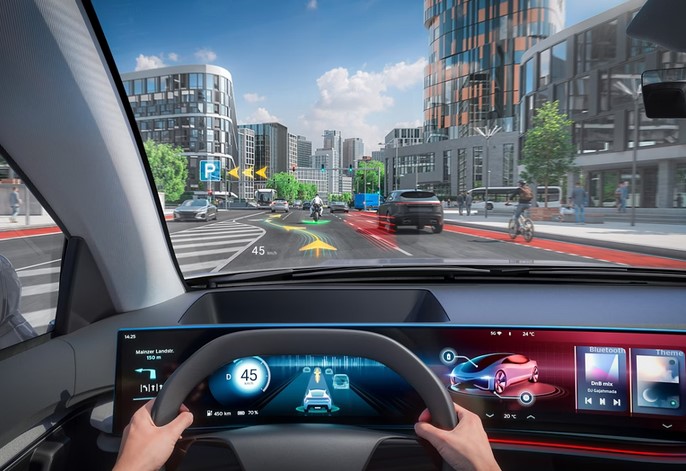
Source:https://aumovio.scene7.com
It takes exactly one second at 60 mph to travel 88 feet completely blind. That is the precise distance your car covers while your eyes drop down to check a text message, look at a turn-by-turn map on your center console, or glance at your speedometer. In the real world, that one second is the difference between a smooth commute and a catastrophic highway collision.
During my decade-plus spent testing automotive electronics and modifying track cars, I have driven vehicles equipped with everything from basic analog needles to hyper-advanced digital cockpits. I can tell you firsthand that looking away from the blacktop is the ultimate enemy of situational awareness. That is exactly why HUD displays cars have evolved from expensive military fighter jet technology into the single best aftermarket safety upgrade you can buy today.
If you want to keep your eyes locked on the horizon while still tracking your speed, engine vitals, and navigation routes, you need an optimal heads-up solution. Let’s dive deep into how these devices work, what to look for, and the best options to upgrade your drive.
The Technology Explained: How a HUD Projects Your Data
To understand why a good heads-up display is so effective, we have to look at the optics. Many beginners assume that a HUD is simply a tiny screen reflecting off glass. If it were that simple, your eyes would constantly struggle to adjust their focus between the distant road ahead and the nearby windshield surface, causing massive eye strain.
Think of a quality HUD like a movie theater projector rather than a smartphone screen.
-
The device sits on your dashboard and uses an ultra-bright LED or TFT light source.
-
It shoots that light through a series of curved mirrors.
-
This creates a virtual image that appears to float roughly 5 to 7 feet out past your front bumper.
Because the data is optically projected into the distance, your eyes do not need to refocus when you switch between looking at the traffic ahead and reading your speed. It blends seamlessly into your natural field of view.
The Main Types of Aftermarket HUD Displays
When shopping for HUD displays cars owners typically have to choose between two main hardware styles and two distinct data sources.
1. Windshield vs. Combiner Systems
-
Windshield HUDs: These project data directly onto your car’s front windshield glass. They look incredibly clean and integrated, but they often require a small piece of reflective tint film applied to the glass to eliminate “ghosting” (a double-image effect caused by the dual layers of a standard laminated windshield).
-
Combiner HUDs: These units come equipped with their own integrated, flip-up plastic screen (the combiner). While they look a bit more bolted-on, they guarantee a crystal-clear, razor-sharp image in all lighting conditions without modifying your windshield.
2. OBD2 vs. GPS Data Sourcing
-
OBD2 Connected HUDs: These plug directly into your car’s On-Board Diagnostics (OBD2) port located under the dashboard. They pull real-time, highly accurate data directly from your engine computer, tracking metrics like exact engine RPM, coolant temperature, system voltage, and fuel consumption.
-
GPS Standalone HUDs: These units rely entirely on a built-in GPS antenna. They only require basic power from a USB port or cigarette lighter socket, making them universally compatible with any vehicle—even classic cars. They track speed and compass direction based on satellite signals, though they can lose connection briefly in tunnels or deep urban canyons.
HUD Data Source Selection:
[Need Turn-by-Turn & Global Speed?] ➔ Choose GPS/Bluetooth App-Synced
[Need Engine Health & RPM Metrics?] ➔ Choose Hardwired OBD2 Connection
The Best Aftermarket HUD Options for Heads-Up Navigation
If you want to upgrade your cockpit without buying a luxury vehicle, these top-tier aftermarket systems deliver incredible performance.
1. Hudly Wireless: The Smartphone Mirroring Powerhouse
If your primary goal is navigation, the Hudly Wireless is an outstanding mid-to-high-tier option. Instead of just displaying numbers, it functions as a transparent secondary monitor for your smartphone.
-
Why it excels at navigation: It casts your phone screen wirelessly via Wi-Fi casting. This means you can display full color layouts from Google Maps, Waze, or Apple Maps directly in your line of sight.
-
Optics: It utilizes a clear combiner glass screen that automatically adjusts its brightness based on ambient sunlight, ensuring you can read small street names even in direct midday sun.
2. Pyle Universal HUD (PHUD180BD): The Reliable Everyday Commuter
For drivers who want a clean, simple layout focused on vital driving data rather than full map graphics, Pyle offers an exceptionally reliable OBD2/GPS dual-mode system.
-
The Technical Edge: It plugs into your OBD2 port for instantaneous speed and tachometer readouts, but switches to GPS if it detects an older protocol. It features a multi-color display that projects cleanly onto the windshield, giving you warning alarms if your engine temperature spikes or if you cross a pre-set speed limit.
3. Acecar T800: The Beginner-Friendly Budget Champ
If you want to try out heads-up technology without spending a fortune, the Acecar T800 is a highly popular, compact combiner-style unit.
-
The Practical Advantage: Because it features its own fold-up screen, installation takes less than two minutes. It pulls data via a stable GPS connection, providing large, easy-to-read speed readouts, travel time, and driving distance. It is the perfect low-profile option for older daily drivers or rental cars.
Comparing the Top Aftermarket HUD Displays
To help you choose the right interface for your dashboard layout, let’s look at how the top performers match up:
| HUD Model | Display Style | Primary Data Source | Best Feature | Ideal Reader Profile |
| Hudly Wireless | Combiner Screen | Smartphone Screen Mirroring | Full color Waze/Google Maps projection | Intermediates wanting advanced mapping |
| Pyle PHUD180BD | Windshield Projector | OBD2 Port + GPS Dual Mode | Engine health monitoring & multi-color UI | Drivers tracking diagnostics and speed |
| Acecar T800 | Combiner Screen | GPS Satellites | Rapid, universal 2-minute installation | Beginners looking for a basic speed readout |
| Scosche HUD2 | Windshield Projector | OBD2 Port | Compact profile with auto-dimming | Commuters wanting minimalist alerts |
💡 Pro Expert Advice: The Polarized Sunglasses Trap
Here is a critical piece of advice that you will rarely find in user manuals: HUDs projecting directly onto the windshield are nearly invisible if you wear polarized sunglasses.
Polarized lenses are specifically designed to block horizontal light reflections to eliminate road glare. Because a windshield HUD relies entirely on reflecting light off the glass surface, your high-end sunglasses will treat the HUD image as unwanted glare and filter it out entirely. If you are a dedicated daytime driver who refuses to part with polarized sunglasses, you must choose a Combiner-style HUD with its own dedicated plastic screen, as their specific light angles bypass this filtering effect.
Final Thoughts: Keep Your Focus Forward
Upgrading your vehicle with one of the best modern HUD displays cars accept aftermarket is a massive step forward in driving ergonomics. By moving your critical mapping layout and speed data off your center stack and directly into your forward line of sight, you eliminate unnecessary eye wandering and significantly cut down your reaction times.
Whether you want a high-tech smartphone mirroring display to navigate complex city intersections or a simple OBD2 monitor to protect your engine, there is a heads-up option tailored for your dashboard.
Are you looking to install a clean windshield projection system, or do you prefer the plug-and-play simplicity of a built-in combiner screen? Let me know your vehicle model and your main navigation challenges in the comments below, and let’s get your cockpit configured!
Best Hybrid Cars for City Driving: Fuel-Efficient and Practical Models
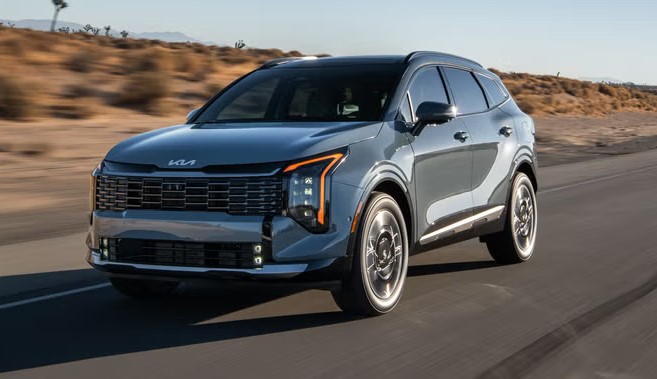
Source:https://hips.hearstapps.com
You are stuck in gridlock traffic. The concrete jungle surrounding you is radiating heat, the red brake lights ahead stretch out for miles, and every ten seconds, you creep forward exactly three feet. As you watch your conventional car’s fuel gauge steadily drop while idling in place, you can almost hear your hard-earned money evaporating directly out of the exhaust pipe.
In urban environments, traditional internal combustion engines are at their absolute worst. After spending more than a decade diagnosing drivetrains, reviewing fleet efficiencies, and navigating stop-and-go city traffic, I have learned that the ultimate antidote to this fuel-sucking misery is a properly engineered hybrid system. Urban driving requires unique mechanical traits: instant torque off the line, compact dimensions, and aggressive energy recapture.
If you want to stop dreading your morning commute and start conquering it, you need to look at the best hybrid cars for city driving. Let’s break down the technical standouts dominating the concrete grid in 2026 and explore how they turn stop-and-go traffic into free energy.
The Urban Battlefield: Why Hybrids Rule the Grid
To understand why a hybrid dominates the city, think of it like a professional tag-team wrestling duo. A standard gasoline engine is like a long-distance marathon runner; it loves running at a steady pace on the open highway, but it gets exhausted and wastes massive energy constantly starting and stopping.
The electric motor, on the other hand, is a short-distance weightlifter. It provides instant, maximum torque the millisecond you touch the pedal—making it perfect for launching a heavy car from a dead stop.
In a hybrid setup, these two systems pass the baton back and forth. When you take your foot off the accelerator or hit the brakes, the vehicle performs a clever mechanical trick called regenerative braking. Instead of wasting the car’s forward momentum as heat through the brake pads, it reverses the electric motor, turning it into a generator that feeds electricity right back into the high-voltage battery pack. In the city, every red light is actually a refueling station.
The Top Contenders: Urban Champions for 2026
When evaluating vehicles for city environments, I look closely at three main metrics: urban fuel economy ratings, turning radius agility, and the seamlessness of the hybrid transition. Here are the models that set the benchmark.
1. Toyota Prius: The Uncontested Benchmark
You simply cannot write about hybrids without bowing to the pioneer. The current generation of the Toyota Prius completely sheds its old, boring commuter image for a sleek, aggressive design, but its mechanical core remains an urban masterpiece.
Toyota Hybrid Synergy Drive (HSD) Flow:
[At Stop: Engine Off] ➔ [Initial Launch: Electric Motor Only] ➔ [Heavy Acceleration: Engine + Motor Parallel Power]
-
Why it rules the city: Toyota uses a planetary gearset as an Electronic Continuously Variable Transmission (eCVT). Unlike a traditional transmission that jerks through gear changes, the eCVT smoothly balances power between the gas engine and electric motors.
-
Real-World Efficiency: In heavy urban traffic, the Prius regularly hovers around 57 MPG city. Because it can run solely on electricity at low speeds, you can cross entire downtown grids without burning a single drop of gasoline.
2. Honda Civic Hybrid: The Driver’s Urban Tool
Honda took a radically different engineering approach with its latest hybrid powertrain, and as someone who values mechanical feedback, I absolutely love it.
Instead of blending the engine and motor together all the time, the Honda two-motor system uses the gasoline engine primarily as a generator to create electricity for a powerful traction motor. At lower city speeds, the engine isn’t even connected to the drive wheels; it is purely a mobile power plant.
-
The Technical Identity: This layout delivers an incredibly snappy, responsive drive that feels identical to an all-electric vehicle (EV) off the line. It offers sharp steering and compact dimensions, making parallel parking in tight alleyways completely effortless.
3. Hyundai Elantra Hybrid: The High-Tech Value Play
Hyundai has stormed the hybrid market by pairing their electric assists with a conventional 6-speed Dual-Clutch Transmission (DCT) instead of an eCVT.
-
The Practical Advantage: For drivers who dislike the smooth, drone-like sound of an eCVT, the Elantra Hybrid feels exactly like a traditional sports sedan. It shifts crisply through gears while still delivering an exceptional 50+ MPG in heavy metropolitan driving, backed by some of the best infotainment and driver-assistance tech in its class.
Comparing the Best Urban Hybrids
To help you decide which setup aligns with your daily commute, let’s look at the critical specifications for navigating urban environments:
| Model | Hybrid System Type | Estimated City MPG | Transmission Feel | Best Suited For |
| Toyota Prius | Parallel-Series (eCVT) | ~57 MPG | Seamless, ultra-smooth | Max fuel savings & tech |
| Honda Civic Hybrid | Series-Parallel (Two-Motor) | ~50 MPG | Punchy, EV-like torque | Enthusiasts & tight spaces |
| Hyundai Elantra Hybrid | Parallel (6-Speed DCT) | ~51 MPG | Traditional gear shifts | Value seekers & tech lovers |
| Toyota Corolla Hybrid | Parallel-Series (eCVT) | ~53 MPG | Linear, predictable | Budget-conscious commuters |
💡 Pro Expert Advice: The 12-Volt Battery Trapped in the Shadow
Here is a hidden warning that many intermediate hybrid buyers miss: just because your hybrid has a massive lithium-ion battery under the rear seats does not mean you can ignore the standard, small 12-volt accessory battery.
The high-voltage hybrid battery packs only turn on after the vehicle’s computer boots up. That boot sequence is entirely powered by a traditional 12V battery hidden in the trunk or under the hood. If you leave your hybrid sitting parked for three weeks while traveling, or if you run accessories with the ignition off, that small 12V battery will drain, leaving your high-tech hybrid completely dead and unable to start—even if the main hybrid battery pack is at 100% charge! Keep an eye on its health during routine maintenance.
Final Thoughts: Reclaim Your Daily Commute
Choosing the right option among the best hybrid cars for city driving comes down to matching your personal driving style with the underlying technology. If you want maximum efficiency and a smooth ride, Toyota’s time-tested synergy drive is tough to beat. If you want crisp acceleration and an engaging driving dynamic through city corners, Honda’s dual-motor system is a masterclass in modern engineering.
Switching to a hybrid means you stop viewing city traffic as an expensive, frustrating chore and start viewing it as an opportunity to harvest free electrical energy.
Are you looking to make the switch from a traditional gas car to your very first hybrid, or are you trying to decide between an eCVT and a dual-clutch setup? Drop your daily commute distance and questions in the comments below, and let’s configure the perfect urban cruiser for your garage!
Best Smart Car Gadgets for Long Trips: High-Tech Travel Essentials
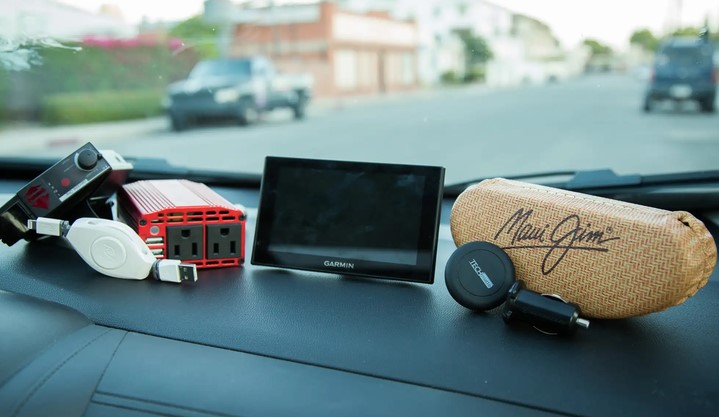
Source:https://cdn.thewirecutter.com
Picture this: You are six hours into a cross-country road trip. The sun has completely dipped below the horizon, a torrential downpour hits your windshield, the kids in the back seat are growing restless, and suddenly, the check engine light flashes onto your dashboard. To make matters worse, your smartphone—which is actively running your navigation map—is sitting at 3% battery, and your cheap charging cable just split open. In a matter of seconds, a dream vacation morphs into a high-stress highway nightmare.
As someone who has spent more than a decade under hoods, testing cabin electronics, and logging thousands of miles across unforgiving terrain, I can tell you one absolute truth: the key to a successful road trip isn’t the horsepower under your hood; it’s the smart ecosystem inside your cabin. Modern cars are fantastic, but they are rarely equipped out-of-the-box to handle the extreme convenience and safety demands of extended highway travel.
That is where intelligent tech steps in as a lifesaver. Equipping your vehicle with the best smart car gadgets for long trips is no longer a luxury—it is a fundamental necessity for modern safety. Let’s look at the essential high-tech gear that will transform a grueling, exhausting drive into a seamless, stress-free adventure.
The Safety Foundation: Turning Raw Data into Peace of Mind
Before we even look at entertainment or comfort, we must ensure the mechanical health of our vehicle. Too many beginners ignore what is happening under the hood until smoke is pouring out of the radiator.
Smart OBD2 Scanners: The Digital Doctor in Your Pocket
When a check engine light illuminates, most drivers panic. In reality, your car is constantly communicating through an internal computer system called On-Board Diagnostics (OBD2). The problem is that it speaks in cryptic, five-digit trouble codes.
Using a Bluetooth-enabled smart OBD2 scanner (like a BlueDriver or FIXD) is like having a master mechanic riding shotgun. You simply plug this tiny device into the port beneath your steering wheel, and it translates those complex fault codes directly into plain, actionable English on your smartphone.
-
My Hands-On Insight: Over half of the check engine lights that occur on the interstate are triggered by minor bugs—like a loose gas cap or a temporary sensor glitch. With a smart scanner, you can instantly determine if you need to pull over immediately or if you can safely drive to your destination before visiting a shop.
Advanced Navigation and Visual Security
Seeing the road ahead is a basic requirement, but analyzing, recording, and mapping your journey using Artificial Intelligence (AI) is the modern benchmark.
Smart AI Dash Cams: The Witness That Never Blinks
Traditional dash cams just record loops of grainy video. However, the newest generation of smart dash cams utilize powerful AI processors and high-end sensors (like the Sony STARVIS series) to actively protect you.
AI Dash Cam Active Safety Loop:
[Camera Tracks Lane Markings] ➔ [AI Computes Real-Time Gap Dynamics] ➔ [Audible Collision/Drift Warnings]
These gadgets act as a secondary co-pilot through integrated Advanced Driver Assistance Systems (ADAS). If fatigue sets in and you begin to drift out of your lane, or if the vehicle ahead slams on its brakes, the camera’s computer flags the hazard in real-time and sounds an alert to snap your attention back to the asphalt.
Portable Smart Displays: Instant Infotainment Upgrades
If you drive an older vehicle that lacks factory-installed wireless Apple CarPlay or Android Auto, you do not need to spend a fortune replacing the entire dashboard stereo system.
A standalone, dashboard-mounted portable smart display connects to your phone wirelessly. It streams real-time maps, handles your Spotify playlists, and reads incoming text messages aloud via voice commands, ensuring your hands never leave the steering wheel.
Intelligent Power and Cabin Climate Management
On long trips, electrical power is the oxygen that keeps your devices alive. Managing that power efficiently is critical to keeping the peace inside the cabin.
Active-Cooled Smart Wireless Chargers
Running high-intensity GPS navigation while simultaneously using a standard wireless charger generates an immense amount of heat. On a hot summer day, this combination will cause your phone to rapidly overheat, slowing down its processing speed or shutting it off entirely.
-
The Tech Solution: The latest premium smart mounts feature miniature internal cooling fans or thermoelectric cooling pads. By actively drawing heat away from the back of your phone during high-speed charging cycles, they keep your device operating at optimal temperatures so your navigation never cuts out in the middle of a complex highway interchange.
Smart Gadget Performance Breakdown
To help you audit your cabin tech before your next major departure, let’s look at how these essential smart travel gadgets compare:
| Gadget Category | Popular Examples | Primary Highway Benefit | Installation Difficulty |
| Vehicle Diagnostics | BlueDriver / FIXD OBD2 | Instant trouble-code translation | Super Easy (Plug & Play) |
| Visual Security | Vantrue N4 Pro / 70mai AI | Real-time ADAS collision warnings | Moderate (Tucking wires) |
| Cabin Connectivity | Carpuride / Standalone Screen | Hands-free maps and media access | Easy (Suction mount) |
| Tire Monitoring | Smart External TPMS | Catches slow leaks before a blowout | Easy (Replaces valve caps) |
💡 Pro Expert Advice: The Hidden Threat of Cheap Power Inverters
Many road-trippers purchase cheap power inverters that plug into the cigarette lighter socket so they can charge laptops or run portable coolers inside the cabin. Warning: cheap inverters output a crude electrical current known as a Modified Sine Wave.
This choppy electrical current can permanently damage the sensitive internal circuitry of expensive laptops, drones, or DSLR camera batteries over time. If you need to power sensitive electronics on the road, always buy an inverter certified as a Pure Sine Wave inverter. It delivers clean, steady power identical to the electrical outlets in your home, keeping your high-end gear completely safe.
Final Thoughts: Drive Smarter, Arrive Safer
Investing in the best smart car gadgets for long trips isn’t about collecting unnecessary tech toys. It is about building a proactive shield against the unpredictable variables of the open road, ensuring that the only surprises on your trip are the beautiful scenic views.
By combining mechanical monitoring (OBD2), active driver assistance (AI dash cams), and stable power management, you gain absolute control over your environment, keeping everyone in your vehicle safe and comfortable for the long haul.
What high-tech gadget is an absolute must-have on your dashboard when you hit the highway? Are you currently trying to figure out the best camera or diagnostic setup for your specific vehicle? Drop your questions or road trip stories in the comments below, and let’s talk shop!
Best Radar Detectors for Highway Driving: Stay Alert on Long Trips
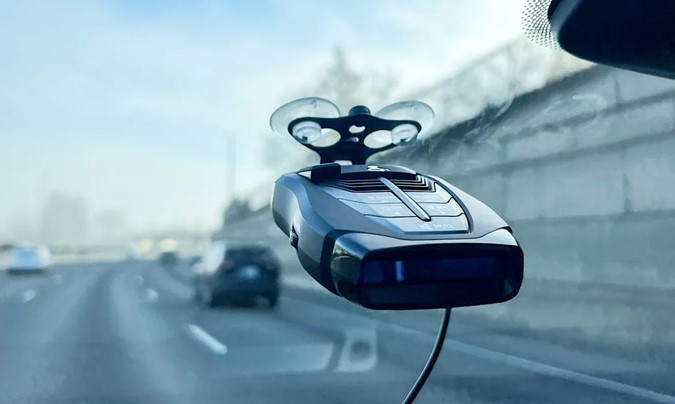
Source:https://s.yimg.com
You are cruising down a wide-open stretch of interstate, the cruise control is set a few miles per hour over the limit, and your favorite playlist is humming through the speakers. Suddenly, your eyes dart to the rearview mirror. Out of nowhere, a patrol car appears behind a concrete divider. Your stomach drops, your foot jerks toward the brake pedal, and that familiar wave of adrenaline hits your chest. We’ve all been there.
As someone who has spent over a decade testing high-performance vehicle modifications and logging countless long-distance highway miles, I can tell you that highway driving presents a unique challenge for radar detection. Unlike dense city driving where speed limits are lower and threats are close, the highway is all about high speeds and long distances. A late warning on the interstate is practically useless.
If you are looking for the best radar detectors for highway driving, you don’t just need a device that beeps; you need a system that acts as an extra set of eyes miles down the road. Let’s look at the elite devices dominating the highway in 2026 and how they keep you protected.
The Highway Dilemma: Sensitivity vs. Selectivity
When I first started analyzing radar technology years ago, I fell into the rookie trap of thinking “more range equals better protection.” It isn’t that simple. In the modern automotive landscape, your radar detector faces a constant barrage of invisible noise.
To understand how a detector works, think of it like a security guard standing at a crowded gate.
-
Sensitivity is how well the guard can hear a whisper from a mile away.
-
Selectivity is the guard’s ability to ignore the thousands of people talking nearby and focus only on the one voice that poses a real threat.
Modern cars are packed with Blind Spot Monitoring (BSM) systems, adaptive cruise control, and collision-avoidance radar. These systems operate on the K-band frequency—the exact same frequency used by many police radar guns. A cheap, low-end detector will scream every time a modern SUV passes you on the left. On a six-hour road trip, that constant falsing will drive you crazy enough to unplug the device completely, leaving you completely vulnerable.
The Top Contenders: Flagships Dominating the Interstate
If you are serious about protecting your license on extended road trips, these premium units offer the ultimate blend of extreme long-range sensitivity and smart digital filtering.
1. Uniden R8 / R8w: The King of Long-Range Awareness
Uniden has been at the top of the mountain for a while now, and the Uniden R8 (along with the updated Wi-Fi-enabled R8w) remains the absolute benchmark for highway enthusiasts.
Uniden R8 Core Architecture:
[Dual LNA Amplifiers] + [Front/Rear Antennas] ➔ Directional 360° Threat Arrow + 2+ Mile Detection Range
During my open-road testing, the R8’s dual Low Noise Amplifiers (LNAs) consistently sniffed out police Ka-band radar—the most common frequency used for highway speed traps—more than two miles away over rolling hills.
-
Why it rules the highway: It features dual antennas that feed clear directional arrows on the display. When the detector alerts, the arrows tell you instantly whether the threat is ahead, behind, or to the side.
-
Smart Filtering: It utilizes built-in GPS to offer an Auto-Mute Memory feature. If you pass a static false alert source (like a grocery store automatic door) multiple times, the device automatically remembers the GPS coordinate and frequency, muting it on subsequent trips.
2. Escort Redline 360c: The Intelligent Guardian
If Uniden is the raw performance choice, the Escort Redline 360c is the luxury smart option. Escort has poured decades of digital signal processing (DSP) expertise into this unit.
-
Total Stealth: The Redline 360c is completely immune to Radar Detector Detectors (RDD) like the Spectre Elite. If you frequently drive through regions where detectors are heavily restricted or illegal, this total stealth capability is a vital layer of protection.
-
The Connected Ecosystem: It relies on the Drive Smarter app community. The detector shares real-time cloud alerts with millions of other drivers on the road. It functions like an automated, hardware-integrated version of Waze, warning you of live speed traps reported by other vehicles miles before your own antenna even catches the signal.
3. Valentine One V1 Gen 2: The Purist’s Choice
Mike Valentine invented the directional arrow concept decades ago, and the Valentine One V1 Gen 2 refines that legacy with military-grade parts. It features unmatched raw speed and sensitivity.
The V1 Gen 2 excels at detecting Instant-On (IO) radar, where an officer leaves the radar gun turned off until your vehicle is targeted. The milliseconds saved by the V1’s rapid signal processing can mean the difference between reacting in time or pulling over to the shoulder. However, it lacks built-in GPS out of the box, meaning you will need to pair it with a smartphone app via Bluetooth to get advanced false-alert filtering.
Mid-Range and Budget Highway Alternatives
You do not necessarily have to spend $700+ to get dependable highway protection. If you are a beginner or a occasional road-tripper, these value-packed alternatives offer great peace of mind.
-
Uniden R4 / R4w: Think of this as a Uniden R8 but with a single front antenna. You lose the directional 360-degree arrows, but you retain the exact same extreme front-facing detection range and excellent GPS lockout capability for hundreds of dollars less.
-
Cobra RAD 700i: An exceptional entry-level option for the money. It provides a built-in GPS database for red-light camera protection and still manages to deliver up to a mile of forward-looking warning on wide-open highways, combined with solid out-of-the-box BSM filtering.
Highway Performance Breakdown
To help you choose the right companion for your next cross-country trip, let’s look at how these top performers match up across critical categories:
| Model | Primary Strengths | Directional Arrows? | GPS Lockouts | Stealth (RDD Immunity) |
| Uniden R8 / R8w | Industry-leading raw Ka-band range | Yes (360°) | Automatic | Excellent |
| Escort Redline 360c | Connected cloud ecosystem & filtering | Yes (360°) | Intelligent Auto-Learn | 100% Invisible |
| Valentine One V1 Gen 2 | Rapid response to Instant-On radar | Yes (360°) | Via App Only | Moderate |
| Uniden R4 / R4w | Best value long-range single antenna | No (Front Only) | Automatic | Excellent |
| Cobra RAD 700i | Best budget option for beginners | No (Front Only) | Manual / App | Basic |
💡 Pro Expert Advice: The Pitfall of Laser (LIDAR) Protection
Here is a hidden warning that many manufacturers won’t tell you on the retail box: a radar detector will not save you from a police laser gun.
Police Laser (LIDAR) uses a pinpoint light beam rather than a wide sweeping radio wave. If your radar detector alerts to a laser signal, it means the officer has already targeted your vehicle and pulled your exact speed. The detector is essentially acting as a “ticket notifier.” If you want true protection against laser enforcement on the highway, you must pair your windshield radar detector with a professionally installed Laser Shifter/Jammer system.
Final Thoughts: Staying Alert and Secure
Investing in one of the best radar detectors for highway driving transforms the entire atmosphere of a long road trip. It replaces the anxiety of the unknown with clear, actionable data, allowing you to focus on the road ahead rather than scanning every highway overpass for hidden enforcement.
For the ultimate highway setup, I highly recommend a dual-antenna system like the Uniden R8 or Escort Redline 360c paired with a crowd-sourced navigation app. That combination gives you maximum situational awareness from every angle.
Are you preparing for an upcoming road trip, or are you trying to decide between a single-antenna or a 360-degree directional system? Let me know your driving style and budget in the comments below, and let’s find the perfect setup for your dashboard!