


Daily Archives: June 25, 2026
Luxury Residential Branding: Enhancing Property Valuation with the Walk-in Shower
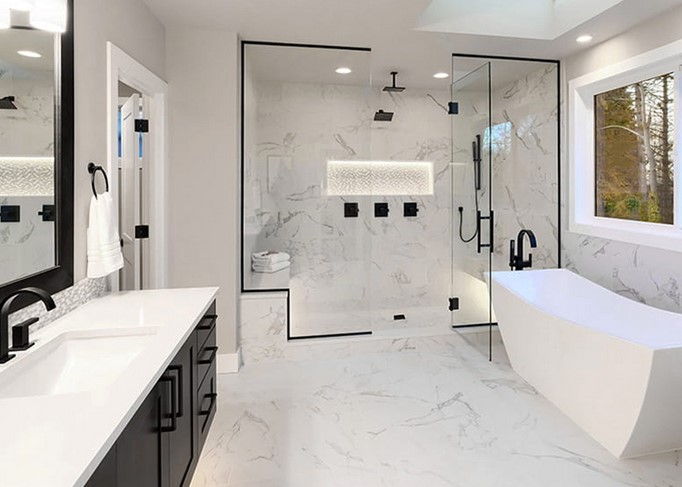 Imagine stepping into a master suite where the bathroom door opens to reveal a cramped, acrylic tub-and-shower combo covered by a plastic curtain. Now, picture walking into that same space, but your eyes are immediately drawn to a seamless expanse of floor-to-ceiling porcelain tile, a frameless glass enclosure, and a minimalist floor drain that looks like it belongs in a five-star boutique hotel. Which house sells faster, and for a premium?
In my ten years of remodeling residential properties and consulting on luxury real estate flips, I have noticed a massive shift in buyer psychology. Homebuyers are no longer looking for utilitarian washrooms; they want an experiential sanctuary.
When clients ask me where to allocate their renovation budget for the absolute highest return on investment (ROI), my advice is definitive: rip out the dated bathtub and install a custom walk-in shower. It is the single most impactful architectural upgrade you can make to elevate your property’s branding and command a higher appraisal value.
The Economics of the Modern Bath: Why Curbless Wins
To understand why a walk-in shower drives up property valuation so dramatically, we have to look at the numbers. According to housing market data, master bathroom remodels yield an average ROI of 60% to 70%. However, that number jumps significantly when you transition from a standard enclosed stall to an open-concept, universal design.
Think of a traditional shower enclosure like a bulky piece of furniture in a small room—it physically and visually chops up the floor plan. A curbless or low-profile walk-in design acts like an open-concept kitchen. By eliminating the step-over threshold, the bathroom floor flows uninterrupted from wall to wall.
+-------------------------------------------------------------+
|                VISUAL SPACE & FLOW COMPARISON               |
+-------------------------------------------------------------+
| Traditional Tub:   [ Bathroom Floor ] | BARRIER | [ Tub Base ]|
| Walk-in Shower:    [ Bathroom Floor ═════════════════> Drain ]|
+-------------------------------------------------------------+
This structural continuity tricks the brain into thinking the entire room is nearly double its actual square footage. In luxury residential branding, perceived space equals premium value.
Technical Foundations: Waterproofing and Slope Physics
For beginners and intermediate DIYers, the visual elegance of a open-concept shower can overshadow the strict engineering required beneath the tile. If a walk-in system is not built correctly, water will migrate into your subfloor, leading to thousands of dollars in structural rot.
The Critical Role of the Slope
Water follows gravity. In a curbless configuration, your floor must have a precise slope of 1/4 inch per linear foot leading directly toward the waste outlet. If the slope is too shallow, water will pool on the bathroom floor; if it is too steep, your tile layout will warp, creating unsafe tripping hazards.
Selecting Your Drainage System
The choice of drain heavily influences both the layout complexity and the final aesthetic.
| Drain Type | Tile Cutting Requirement | Visual Impact | Placement |
| Traditional Center Drain | Complex 4-way slope (envelope cut) | Functional / Standard | Center of shower pan |
| Linear Drain | Simple 1-way single plane slope | High-end / Minimalist | Along the back wall or threshold |
A linear drain is highly recommended for mid-to-high-tier branding. It allows you to use large-format tiles across the entire floor without cutting them into awkward triangles, preserving the clean geometric lines that luxury buyers expect.
Step-by-Step Anatomy of a High-End Walk-in System
Building a robust, leak-free system requires a disciplined layering approach. Here is how we build them on our luxury job sites to ensure they last a lifetime.
1. Pre-Pan Infrastructure and Framing
Before any decorative tile is laid, the wood or concrete subfloor must be evaluated. For a true curbless entryway, the joists beneath the shower area must often be notched or lowered to accommodate the thickness of the sloped mortar bed or pre-fabricated foam tray.
2. Advanced Waterproofing (The Moisture Barrier)
Never rely on tile and grout to stop water; grout is porous. We utilize a multi-layer waterproofing system. After installing a cement backer board or high-density foam panels on the walls, apply a continuous sheet membrane or a liquid-applied elastomeric waterproofing compound.
Pro Tip: Apply the liquid waterproofing membrane in three distinct coats, alternating the direction of your brush strokes (vertical then horizontal). Treat this layer like an underground pool liner—if it isn’t completely airtight before tile goes on, your installation is vulnerable.
3. Selecting High-Appraisal Materials
To maximize your valuation impact, choose materials that scream luxury but offer practical longevity. Porcelain tile is preferred over natural marble for intermediate projects because it is completely non-porous, scratch-resistant, and doesn’t require annual sealing, while still mimicking high-end stone aesthetics.
Expert Advice: Hidden Pitfalls in Luxury Showers
Before you pick up your trowel or hire a contractor, let me pass down two crucial pieces of job-site insight that separate amateur attempts from elite designs:
-
The Glass Gauge Trap: If you install beautiful tile but enclose it with cheap, thin 1/4-inch glass panels held together by a bulky metal frame, you completely destroy the luxury branding. Opt for 3/8-inch or 1/2-inch thick frameless tempered glass. The heavy weight of thick glass gives a satisfying, rock-solid feel when opened and completely eliminates ugly perimeter metal tracking.
-
The Slip-Resistance Oversight: Large-format 24×24-inch polished tiles look incredible on walls, but placing them on a shower floor is an absolute hazard. When wet, polished surfaces turn into ice. Ensure your floor tile has a high Dynamic Coefficient of Friction (DCOF) rating of 0.42 or greater. Alternatively, use mosaic tiles on the floor; the dense network of grout lines provides natural, built-in slip resistance for bare feet.
Conclusion
Elevating your property’s value isn’t about chasing fleeting decor trends; it is about making permanent structural improvements that enhance daily living. Investing in a masterfully executed walk-in shower blends universal accessibility with breathtaking aesthetic appeal. It transforms an ordinary asset into a highly branded piece of luxury real estate that stands out dramatically in a competitive market.
Are you planning to convert an old tub into a sleek walk-in system, or are you trying to figure out if your bathroom floor plan can handle a curbless transition? Let’s talk layout strategies—drop your measurements or layout questions in the comments below!