


Daily Archives: June 20, 2026
High-Durability Surface Management: Strategic Selection of Bathroom Paint
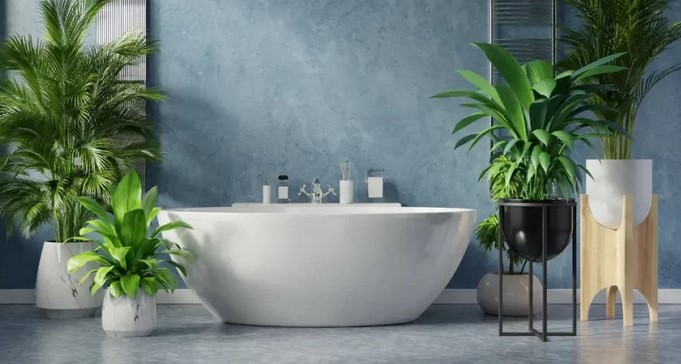
Source:https://finishpainting.au
Imagine stepping into your bathroom on a crisp morning, turning on the shower, and watching the room fill with warm steam. It feels like a private spa ritual until you glance up at the ceiling and notice dark, ugly streaks running down the walls like tears. Or worse, small black spots beginning to colonize the corners.
In my ten years of flipping houses and managing residential renovations, I have seen more paint failures in the bathroom than in any other room in the house. Homeowners spend thousands on beautiful tile and high-end fixtures, only to skimp on the final bucket of wall coating.
A bathroom is not just another room; it is a residential pressure cooker. The air transitions from bone-dry to 100% humidity in a matter of minutes. To survive this brutal cycle, selecting the right bathroom paint is your first and most critical line of defense against structural decay and cosmetic ruin.
The Physics of a Wet Room: Why Standard Paint Fails
To understand why specialized formulas are necessary, we need to look at what happens at a microscopic level when you coat a wall. Standard latex paint dries to form a slightly porous film. In a dry living room or bedroom, those microscopic pores are completely harmless.
Think of standard interior paint like a high-density sponge, while specialized bathroom paint acts more like a rain jacket. When high humidity hits standard paint, moisture penetrates the film, gets trapped against the drywall paper, and creates a breeding ground for mold and mildew. Over time, this trapped moisture breaks down the adhesive bond, causing the paint to blister, crack, and eventually peel away in large sheets.
+-------------------------------------------------------------+
|                MICROSCOPIC MOISTURE REACTION                |
+-------------------------------------------------------------+
| Standard Paint:   [ Moisture ] ──>  ░░ (Porous Hole) ──> Peel |
| Bathroom Paint:   [ Moisture ] ──>  ▓▓ (Sealed Wall) ──> Shed |
+-------------------------------------------------------------+
Modern formulations for wet environments are engineered with a tighter molecular structure. They use harder acrylic resins that cure into a smooth, hydrophobic barrier. Water beads up on the surface and evaporates into the air instead of soaking into your structural walls.
Decoding Sheen and Specialized Additives
When walking down the paint aisle, beginners are often overwhelmed by choices. Should you buy a standard paint mixed in a high gloss, or a specialized can with an elevated price tag? Let’s break down the technical differences.
The Role of Antimicrobial Biocides
True, premium bathroom paint contains active ingredients known as biocides. These are EPA-registered antimicrobial agents blended directly into the liquid during manufacturing. The biocides slowly leach to the surface over a span of several years, actively killing mold spores on contact and preventing them from establishing a colony on your walls.
Gloss Level: Balancing Aesthetics and Performance
Historically, if you wanted water resistance, you were forced to use a blindingly shiny high-gloss paint. Thankfully, resin technology has evolved dramatically over the last decade.
| Paint Sheen | Water Resistance | Imperfection Hiding | Best For |
| Flat / Matte | Very Low | Excellent | Avoid in Bathrooms |
| Eggshell | Medium-Low | Good | Half-baths / Powder rooms |
| Satin | High | Medium | Modern Bathroom Walls |
| Semi-Gloss | Very High | Low | Trim, Baseboards, and Ceilings |
For a modern, sophisticated aesthetic that still offers high-durability surface management, Satin finish is the absolute sweet spot for primary bathroom walls. It offers enough sheen to shed water efficiently without highlighting every minor ding, dent, or drywall imperfection.
Step-by-Step Execution: Prepping for a Moisture-Proof Finish
In my decade of hands-on experience, I have learned that a paint job is 80% preparation and only 20% actual rolling. If you skip the prep work in a high-moisture environment, your new coat will fail within twelve months.
1. Eradicate Existing Mold First
Never paint over mold or mildew. It will simply feed on the moisture underneath and push through the new layer. Wash the entire surface with a solution of three parts water to one part bleach, or use a dedicated fungicidal spray. Let it sit for ten minutes, scrub it clean, and rinse thoroughly with clean water.
2. The Power of a Specialty Primer
If you are painting over raw drywall patch repairs, changing colors drastically, or dealing with old, peeling surfaces, you must apply a vapor-barrier primer first. Look for an alkali-resistant, stain-blocking primer designed specifically for high-humidity areas. This creates a uniform surface porosity so your topcoat can bond securely.
Pro Tip: Give your primer a full 24 hours to cure before applying your first coat of bathroom paint. Even if the label says “dry in 2 hours,” a longer cure time allows the primer to lock onto the substrate before it gets hit with moisture.
3. Application Mechanics
When applying the topcoat, use a high-quality 3/8-inch nap synthetic roller cover. Apply the paint in a steady, overlapping “W” pattern to ensure even distribution. Avoid rolling back over areas that have already started to tack up, as this tears the delicate drying film and creates weak spots where moisture can later enter.
Expert Advice: Hidden Warnings from the Job Site
Before you pick up your brush, let me share two critical warnings that separate amateur DIY attempts from a professional, long-lasting finish:
-
Beware of Surfactant Leaching: This is the technical term for those mysterious brown or sticky streaks that appear on freshly painted bathroom walls. It happens when ingredients in the paint (surfactants) rise to the top because the paint was exposed to heavy steam before it fully dried. To prevent this, do not use your shower for at least 48 to 72 hours after painting. Keep the exhaust fan running and windows open during this window.
-
The Ceiling Oversight: Homeowners frequently paint their bathroom walls with high-quality paint but use cheap, flat white ceiling paint overhead. This is a recipe for disaster. Rising steam hits the ceiling first and sits there. Always use the same high-durability, moisture-resistant formulation on your ceiling as you do on your walls.
Conclusion
Optimizing your bathroom’s defensive layers isn’t just about pick-and-choose color psychology; it is an investment in your home’s structural integrity. By carefully selecting a dedicated, premium bathroom paint with built-in biocides and a resilient satin or semi-gloss sheen, you protect your drywall from expensive water damage and keep your sanctuary looking pristine for years to come.
Are you getting ready to refresh a damp, tired bathroom, or are you currently battling a peeling ceiling paint disaster? Let’s get it sorted out together—drop your questions or current project scenarios in the comments section below!