


Precision Surface Protection: Ensuring Quality Results with Masking Tape Blue
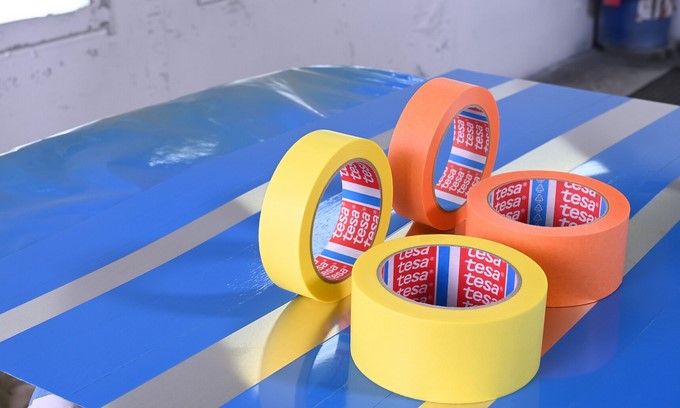 Picture this: You’ve spent three hours meticulously cutting in the edges of your living room ceiling. You pull away the tape, expecting a flawless, razor-sharp line that would make a gallery curator proud. Instead, a chunk of your freshly cured drywall primer comes off with it, leaving a jagged, blurry mess.
In my ten years of managing residential renovations, I’ve seen this exact heartbreak play out on dozens of DIY sites. The culprit isn’t usually bad technique; it’s using the wrong tool for the job.
When it comes to safeguarding your finishes, standard cream-colored masking tape just won’t cut it for critical applications. That is where masking tape blue (commonly known as blue painter’s tape) comes into play. Let’s dive deep into why this specific tool is the unsung hero of precision surface protection and how you can master its use.
The Anatomy of Blue Painter’s Tape: Why Color Matters
To the untrained eye, tape is just sticky paper on a roll. But to a home improvement professional, masking tape blue is a highly engineered piece of equipment.
Standard masking tape uses a high-tack rubber adhesive. It’s designed to stick fast and hold tight, which sounds great until you try to peel it off delicate latex paint or expensive hardwood. It dries out quickly, turns brittle, and leaves a gooey residue that requires harsh chemicals to remove.
+-------------------------------------------------------------+
|               HOW ADHESIVE STRENGTH COMPARES                |
+-------------------------------------------------------------+
| Standard Masking Tape:  [████████████████████] High Tack    |
| Blue Painter's Tape:    [██████████░░░░░░░░░░] Medium/Low    |
+-------------------------------------------------------------+
Think of standard masking tape like superglue’s cousin—it’s aggressive. Masking tape blue, on the other hand, utilizes a specialized acrylic adhesive. This compound provides a medium-to-low tack that creates a secure bond with the surface but releases cleanly, even after being exposed to direct sunlight for up to 14 days.
The Crepe Paper Backing Difference
The backing of quality blue tape isn’t smooth plastic; it has a slight texture. This crepe paper backing allows the tape to stretch slightly, which is essential when you are navigating slight curves, baseboard contours, or textured orange-peel walls. It also features a water-resistant coating that prevents water-based paints from soaking through and bleeding onto your protected surface.
Mastering the Application for Flawless Lines
Achieving a professional-grade paint line requires more than just stretching the tape across a wall and slapping it down. It requires a systematic approach to ensure the adhesive seals correctly.
1. Prep the Canvas First
No tape can adhere to dust, grease, or drywall powder. Before unrolling your masking tape blue, wipe down the surface with a damp microfiber cloth and a mild detergent. Let it dry completely. If you apply tape to a damp surface, moisture gets trapped underneath, destroying the adhesive bond and causing paint to bleed.
2. The “Lay and Press” Technique
Never pull out a long 4-foot strip of tape and try to eye-level it onto the wall; it will stretch, warp, and land crookedly. Instead, pull out about 6 to 8 inches at a time. Roll the tape out against the surface, anchoring it with your thumb as you go.
Pro Tip: Once the tape is down, use a plastic putty knife or a clean wallpaper tool to firmly press down the edges. This process, known as burnishing, activates the pressure-sensitive adhesive and locks out paint leaks.
3. Handling Corners and Transitions
When two taped edges meet in a corner, don’t overlap them loosely. Run the first piece slightly past the corner, cut it flush with a sharp utility knife, and then butt the second piece directly up against it. This creates a seamless barrier that paint cannot penetrate.
The Critical Extraction Phase: When and How to Peel
The job isn’t finished when the painting is done. In fact, the removal process is where most DIY projects go wrong.
   CORRECT REMOVAL ANGLE

   Wall Surface
   ─────────────────────────────
                \  <- Pull Backwards
                 \
                  \  <- 45-Degree Angle
                   \
                    ─────────────────── (Taped Line)
Many homeowners assume they should leave the tape on until the entire paint job is dry. This is a critical mistake. If the paint dries completely over the tape, it forms a solid film bridging the wall and the tape. When you pull the tape away, you pull the dry paint film off the wall.
The Sweet Spot for Removal
The absolute best time to remove masking tape blue is when the paint is dry to the touch but not fully cured—typically about an hour or two after your final coat.
-
Pull the tape back steadily at a 45-degree angle to the painted line.
-
Do not pull outward toward yourself; pull backward over the tape itself.
-
This angle acts like a miniature knife blade, cutting the clean edge between the wall and the tape as you pull.
Hidden Warnings: Avoid These Common Mistakes
While masking tape blue is incredibly forgiving, it isn’t magic. Here are a few job-site realities you need to keep in mind:
-
The Sunlight Trap: Even though UV-resistant blue tape can stay on for 14 days, intense, direct summer sunlight through a window can bake the adhesive if left too long. Aim to remove it within 3 to 5 days for optimal safety on delicate surfaces.
-
Fresh Paint Vulnerability: Never apply tape over paint that was applied yesterday. Even if it feels dry, interior latex paint can take up to 30 days to fully cure and harden. Taping over uncured paint will almost certainly cause pulling.
-
The Bleed Illusion: If you are working on heavily textured plaster or wood grain, paint can still seep through the microscopic gaps under the tape. For these surfaces, seal the edge of the tape with a tiny amount of your base coat color first, let it dry, and then apply your top coat.
Conclusion
At the end of the day, high-quality home improvement is about control. Using the right masking tape blue gives you absolute control over your lines, saves you hours of tedious touch-up work, and protects your home’s surfaces from accidental damage. It is an inexpensive investment that yields professional results.
Have you ever had a taping disaster or a breakthrough moment on your own projects? Drop a comment below and let’s talk about your experiences!