


Living Castles: Iconic Tours Across Europe
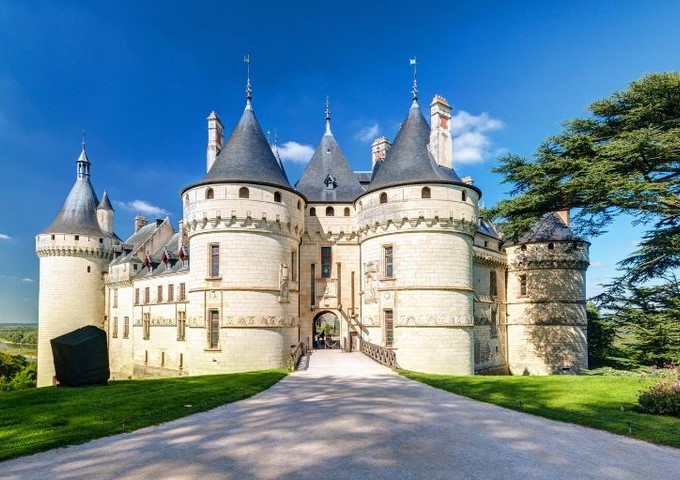
Source:https://images.tourscanner.com
Imagine standing on a limestone battlement in the Loire Valley as the morning mist rolls off the river. You reach out to touch a stone carved in 1519, and for a split second, the hum of your smartphone disappears, replaced by the ghost-echo of horse hooves on cobblestone. Most travelers visit castles to take a selfie and leave, but after ten years of exploring Europe’s fortified history, I’ve realized that a castle is not a museum—it is a time machine that requires a specific “frequency” to operate.
When I first started touring Europe, I made the classic rookie mistake: I tried to see five castles in three days. By the end, they all blurred into a hazy memory of grey stone and gift shops. Now, a decade later, I’ve learned that the secret to castle tours in Europe isn’t about the quantity of the fortresses, but understanding the soul of the architecture. Let’s dive into how you can experience these “living” monuments like a pro.
The Architecture of Power: Understanding Your Fortress
To the untrained eye, every castle looks like a variation of a chess piece. However, understanding the technical evolution of these structures makes your visit ten times more rewarding. Think of a castle like a smartphone:
-
The Early Models (Motte-and-Bailey): These were the “bricks” of the medieval world—simple, functional, and mostly made of wood and earth.
-
The Upgrade (Concentric Castles): These are the high-security versions with layers of walls-within-walls.
-
The Luxury Edition (Chateaux): This is when the “security features” became aesthetic choices for the ultra-wealthy.
When you join castle tours in Europe, you are essentially walking through a physical timeline of human ambition and fear. Whether you are looking at a keep (donjon), a portcullis, or machicolations (those holes in the floor used to drop unpleasant surprises on invaders), every detail was a high-tech solution to a very real problem.
Must-Visit Regions for Iconic Castle Tours in Europe
1. The Fairy-Tale Trail: Bavaria, Germany
If you close your eyes and think of a castle, you’re likely picturing Neuschwanstein. I’ve stood at the Marienbrücke lookout more times than I can count, and the view never gets old. But here is the “insider” truth: Neuschwanstein isn’t a medieval castle; it’s a 19th-century theatrical set built by King Ludwig II.
-
The Technical Twist: This castle featured running hot water and an automated flushing system—luxuries unheard of in the actual Middle Ages.
-
Pro Strategy: Pair this with a visit to Hohenschwangau nearby to see the difference between a functional royal residence and a dream-like retreat.
2. The Valley of Kings: Loire Valley, France
France took the concept of a castle and turned it into an art form. In the Loire, castles (Châteaux) transitioned from defensive forts to pleasure palaces. Château de Chambord is the pinnacle of this, famous for its double-helix staircase—rumored to be designed by Leonardo da Vinci—where two people can ascend and descend without ever meeting.
3. The Iron Ring: North Wales, UK
For those who want “grit” and military genius, North Wales is unbeatable. King Edward I built a series of fortifications known as the “Iron Ring.” Conwy and Caernarfon are technical masterpieces of medieval military engineering. Walking these walls feels remarkably different than the ornate halls of France; here, the stones still feel heavy with the weight of siege warfare.
Mastering the Logistics of European Castle Travel
Planning castle tours in Europe requires more than just a GPS and a rental car. You have to account for the “Fortress Fatigue” and the technical constraints of ancient sites.
-
Transportation Realities: Many of the most authentic castles are perched on high ridges for defensive reasons. This means steep walks or shuttle buses. If you’re renting a car, look for “Burg” (Germany), “Château” (France), or “Castillo” (Spain) signs on the highway.
-
The “Shoulder Season” Advantage: I highly recommend visiting in late September or October. The crowds thin out, and the autumn colors against the grey stone create a brooding, atmospheric aesthetic that fits the history perfectly.
Expert Advice: The “Hidden” Castle Codes
The Clockwise Secret: Have you ever noticed that spiral staircases in medieval castles almost always wind clockwise as you go up? This wasn’t a random design choice. Most swordsmen are right-handed. A clockwise staircase gives the defender (coming down) more room to swing their sword, while the attacker (coming up) has their sword arm blocked by the central pillar.
Always check for “Event Closures.” Many European castles are still privately owned or used for state functions. I once drove four hours through the Scottish Highlands only to find the castle closed for a private wedding. Always check the official website 24 hours before you depart!
Essential Gear for Castle Connoisseurs
You aren’t just walking through a building; you’re navigating an environment designed to be difficult to enter.
-
Footwear is Non-Negotiable: Cobblestones are unforgiving. Leave the fashion boots at home and wear shoes with high-traction soles and ankle support. I’ve seen more twisted ankles at the Tower of London than on mountain trails.
-
Wide-Angle Lens: Castle courtyards are often cramped. If you want to capture the scale of a curtain wall or a towering bailey, you’ll need a 16mm-24mm lens to fit it all in.
-
Offline Maps: These stone behemoths are often in remote areas or have walls so thick they kill 5G signals instantly. Download your maps and tickets before you reach the gate.
Scannable Tips for Your First Castle Tour
-
Book Tickets in Advance: Especially for Neuschwanstein and the Alhambra; they sell out weeks ahead.
-
Learn One Name: Every castle has a “Great Hall.” Look for the Solar (the lord’s private room) for a more intimate look at historical life.
-
Stay in a “Castle Hotel”: If your budget allows, booking a night in a converted Parador (Spain) or Pousada (Portugal) is the ultimate way to experience the acoustics and atmosphere after the tourists leave.
The Soul of the Stone
The true magic of castle tours in Europe happens when you stop looking at the gold leaf and start looking at the graffiti. In the dungeons of many French castles, you can still see where prisoners carved their names into the soft stone. In the kitchens of English manors, you can see the indentations in the floor where centuries of cooks stood in the same spot.
These buildings are survivors. They have outlived plagues, wars, and the rise and fall of empires. When you walk through their gates, you aren’t just a tourist; you’re a temporary guest in a much longer story.
Ready to Claim Your Throne?
Which European castle has always been on your “Must-See” list? Are you more interested in the romantic fairy-tale palaces of the North or the sun-drenched Moorish alcazars of the South?
Drop a comment below—I’d love to help you plan your route or answer any technical questions about the best hidden gems in the countryside. Let’s make your next trip legendary!