


Daily Archives: May 30, 2026
Ancient Spirits: Cultural Rituals Still Alive Today
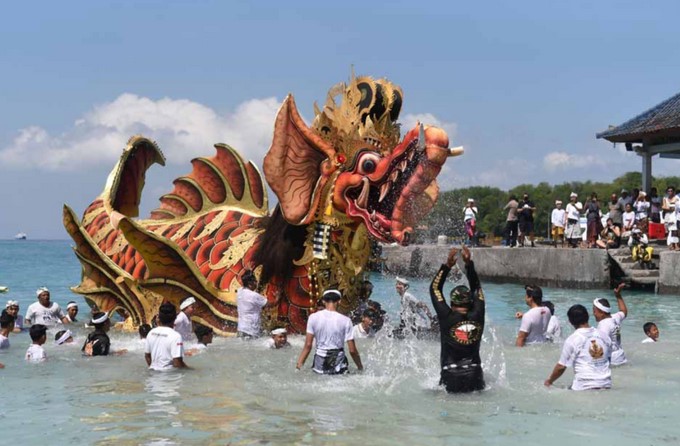
Source:https://lifeasartasia.art
The air was thick with the scent of burning incense and roasted coffee beans, a combination so potent it felt like it was etching itself into my skin. I sat on a low stool in a dimly lit hut in the Ethiopian Highlands, watching as a woman meticulously performed the Jebena Buna ceremony. Outside, the 21st century was rushing by with its 5G networks and satellite pings, but inside these walls, time had folded in on itself. This wasn’t a performance for tourists; it was a rhythmic pulse of life that had remained unchanged for over a thousand years.
As a travel blogger who has spent the last decade navigating the intersection of modernity and tradition, I’ve found that the most profound travel experiences aren’t found in museums. They are found in cultural ancient rituals that refuse to die. We live in a world where everything is “instant,” but these rituals remind us that some things—grief, celebration, and connection—require a slow, deliberate cadence.
The Living Museum: Why Ancient Rituals Persist
In our digital age, many travelers feel a sense of “cultural thinning,” a feeling that the world is becoming one giant, homogenized airport lounge. Cultural ancient rituals act as the world’s anchors. They are the deep roots that keep a community from being swept away by the winds of globalization.
Think of a ritual like the “operating system” of a culture. While the “hardware” (the clothes, the buildings, the technology) might change, the ritual is the underlying code that tells the community how to behave, how to heal, and how to stay together. When you witness a ritual, you aren’t just seeing a dance or a prayer; you are seeing the source code of a civilization.
Global Encounters with Cultural Ancient Rituals
1. The Ma’nene of Tana Toraja, Indonesia
I’ve walked through the limestone caves of Sulawesi, and nothing prepares you for the “Second Funeral.” In Toraja, death is not a goodbye; it’s a transition. During the Ma’nene ritual, families exhume their ancestors, clean them, and dress them in fresh clothes.
-
The Technical Insight: To an outsider, this might seem morbid. To a Torajan, it is the ultimate act of filial piety and social cohesion. It is a physical manifestation of the belief that the bond between the living and the dead is unbreakable.
-
Expert Observation: Look for the Tau-tau (wooden effigies). They aren’t just statues; they are meticulously carved to match the deceased’s features, serving as a permanent anchor for the spirit within the community.
2. The Haka of the Māori, New Zealand
The Haka is perhaps the most famous of cultural ancient rituals due to international rugby, but seeing it performed at a Marae (meeting grounds) is a different beast entirely. It is a symphony of stomping, tongue protrusions, and rhythmic chanting designed to invoke the “mana” (prestige/power) of the ancestors.
3. The Dia de los Muertos, Mexico
This isn’t “Mexican Halloween.” It is a sophisticated indigenous belief system layered with Catholicism. The creation of ofrendas (altars) using cempasúchil (marigolds) creates a sensory bridge for spirits to return home for a single night.
The Ethics of Observation: Being a Witness, Not a Voyeur
When you seek out cultural ancient rituals, you are entering a sacred space. Over the years, I’ve seen travelers treat these moments like a zoo exhibit, which is the fastest way to kill the authenticity of the experience.
-
The “Permission First” Protocol: Never assume a ceremony is public. In many cultures, certain rituals are “closed,” meant only for initiates or family.
-
Analog over Digital: I’ve found that the best way to experience a ritual is to leave the camera in the bag for the first 30 minutes. If you are viewing life through a 6-inch screen, you are missing the liminal space—that threshold where the physical and spiritual worlds meet.
Technical Elements: How to Identify Authenticity
For the intermediate traveler, distinguishing between a “tourist trap” and a genuine cultural ancient ritual requires a bit of technical sleuthing:
-
The Timing: Authenticity follows a lunar or seasonal calendar, not a “Tuesday and Thursday at 2:00 PM” schedule.
-
The Audience: If 90% of the people watching are locals, you’ve found the real deal.
-
The Language: Genuine rituals often use archaic forms of language or “liturgical tongues” that aren’t used in everyday conversation.
Expert Advice: The “Invisible” Etiquette
The Gift of Reciprocity: In many traditional societies, your presence as an observer creates an energetic debt. You don’t always pay this with money.
Tips Pro: I always carry small, meaningful gifts—quality tobacco, tea, or even printed photos of previous visits—to offer to the village elders or the master of ceremonies. It shifts the dynamic from “consumer” to “guest.”
Beware of “Cultural Appropriation” vs. “Cultural Appreciation.” If a local offers you a traditional garment to wear during a ritual, it is an honor. If you buy one at a gift shop and wear it to “look the part,” it can often be seen as a mockery.
Scannable Guide for Your Ritual Journey
-
Research the Lunar Calendar: Many rituals in Asia and Africa depend on the moon’s phase.
-
Dress Conservatively: When in doubt, cover your shoulders and knees. This is a universal sign of respect in sacred spaces.
-
Learn Three Words: “Hello,” “Thank you,” and “May I?” in the local dialect will open doors that no amount of money can.
-
Check for Taboos: In some rituals, pointing your feet at a certain object or wearing a specific color (like red or white) can be offensive.
The Pulse of the Past in the Present
Witnessing cultural ancient rituals is a humbling reminder of our shared humanity. Whether it’s the fire-walking ceremonies in Fiji or the whirling dervishes in Turkey, these acts of faith and tradition prove that our “ancient spirits” are not dead; they are simply waiting for us to quiet down enough to hear them.
These journeys aren’t about checking a box on a bucket list. They are about expanding your internal map. When you stand in the presence of a ritual that has survived centuries of change, you can’t help but feel a little more grounded in your own story.