


Optimizing Sanitary Infrastructure: Reliable Maintenance with the Fill Valve Kit
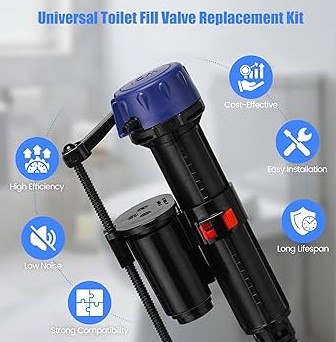 It’s 2:00 AM, the house is dead silent, and there it is again—that faint, ghostly hiss coming from the bathroom. Or worse, you walk in and notice a phantom flush when nobody has even touched the handle.
In my ten years of diagnosing plumbing headaches, I have found that a running toilet is the ultimate silent budget killer. A single malfunctioning toilet can waste up to 200 gallons of water a day. That is the equivalent of leaving your garden hose running for hours, sending your hard-earned money straight down the drain.
Most homeowners assume a noisy toilet means they need a completely new porcelain throne. But here is an insider secret from a decade in the trenches: 90% of the time, your internal tank components are just worn out. Upgrading your porcelain tank with a modern fill valve kit is the ultimate, cost-effective way to restore peace, quiet, and efficiency to your bathroom.
The Heart of the Tank: Understanding the Fill Valve
To understand why a fill valve kit is so revolutionary, we need to demystify what goes on beneath that heavy porcelain lid. Many beginners look inside a toilet tank and see a confusing web of plastic and rubber.
Think of your toilet tank like a miniature, automated water tower. The fill valve is the gatekeeper of that tower. Its sole job is to refill the tank with fresh water after a flush and shut off precisely when the water reaches the correct line.
+-------------------------------------------------------+
|             THE TOILET TANK ECOSYSTEM                 |
+-------------------------------------------------------+
|  [ Water Supply ] --> ( Fill Valve Kit )              |
|                             │                         |
|                             ▼                         |
|                     [ Tank Reservoir ]                |
|                             │                         |
|              (Flush Valve) ─┘                         |
+-------------------------------------------------------+
Older sanitary systems rely on a traditional ballcock assembly—that large, awkward brass rod with a floating copper or plastic ball attached to the end. These mechanical dinosaurs are prone to rusting, misalignment, and taking up too much physical space inside the tank. Modern kits replace this outdated setup with a compact, vertically gliding float cup design that measures water levels with pinpoint accuracy.
Signs It Is Time for a Fill Valve Kit Replacement
How do you know your current infrastructure is failing? Plumbing components don’t last forever; the constant exposure to water treatments, chlorine, and mineral deposits eventually degrades the internal seals.
If you notice any of the following symptoms, it is time to intervene:
-
The Endless Hiss: The toilet continuously runs or makes a trickling sound long after the flush cycle should have ended.
-
The Slow Refill: The tank takes more than two minutes to fill up completely after a flush.
-
Water Height Anomalies: The water level inside the tank sits higher than the overflow tube, causing water to constantly spill into the bowl.
Instead of paying a plumber a hefty diagnostic fee, a universal fill valve kit allows intermediate DIYers and beginners alike to swap out the entire mechanism in under 30 minutes using basic hand tools.
Step-by-Step Guide: Upgrading with a Fill Valve Kit
Before you begin, don’t be intimidated by the prospect of working with water lines. As long as you shut off the main water source, there is zero risk of flooding your bathroom.
1. Isolation and Drainage
First, locate the shut-off valve on the wall beneath the toilet tank. Turn it clockwise until it stops. Flush the toilet and hold the handle down to drain as much water from the tank as possible. Use an old towel or sponge to soak up the remaining puddle at the bottom of the tank.
2. Disconnecting the Old System
Place a small bucket under the tank to catch any stray drops. Unscrew the water supply line coupling nut from the bottom of the shank. Next, remove the plastic locknut that secures the valve shank to the bottom of the tank. You can now lift the old valve assembly out of the tank entirely.
3. Adjusting the New Height
One of the best features of a modern, universal fill valve kit is its adjustable height mechanism. Before dropping it into the tank, twist the upper body of the valve to adjust its length.
Critical Measurement: The top of the new fill valve cap must sit at least 3 inches above the top of the overflow pipe. This prevents dangerous siphoning back into your home’s clean water supply.
      CORRECT FILL VALVE HEIGHT

      [ Fill Valve Cap ]
             │   ▲
             │   │  At least 3 Inches
             ▼   ▼
      =================== [ Top of Overflow Pipe ]
             │
             │
4. Installation and Reconnection
Insert the new valve shank through the hole in the bottom of the tank, ensuring the rubber shank washer is seated firmly inside the tank to create a watertight seal. Tighten the locknut underneath by hand, then add just a quarter-turn with channel locks. Do not over-tighten, or you risk cracking the porcelain tank.
Connect the refill tube from the valve directly to the overflow pipe using the included clip. Reattach your water supply line, turn the water back on slowly, and check for any leaks around the base of the tank.
Expert Advice: Hidden Warnings for the Savvy DIYer
Over my career, I have seen well-intentioned homeowners make a few critical errors during this upgrade. Keep these professional pointers in mind:
-
The Anti-Siphon Guardrail: Always ensure your refill tube clips above the overflow tube. If you shove the flexible tubing directly down inside the overflow pipe below the water line, it will create a natural siphon that continuously drains your tank into the bowl.
-
Beware of Chemical Tablets: If you use those blue, bleach-heavy chemical cleaning tablets that drop directly into the tank, stop immediately. The harsh chemicals accelerate the decay of the silicone and rubber seals inside your brand-new fill valve kit, cutting its lifespan in half.
-
Check the Flapper Simultaneously: If you replace the fill valve and your toilet still cycles on and off randomly, your flapper (the rubber seal at the bottom of the tank) is warped. Most comprehensive kits include a new flapper for this exact reason—always replace both at the same time for total peace of mind.
Conclusion
Optimizing your home’s sanitary infrastructure doesn’t require a master’s degree in engineering or an expensive service call. By taking control of your maintenance with a high-quality fill valve kit, you can eliminate annoying noises, lower your monthly utility bills, and ensure your plumbing runs like a well-oiled machine. It is one of the most rewarding, high-ROI weekend projects a homeowner can tackle.
Have you noticed your toilet acting up lately, or have you ever tried replacing tank components yourself? Let’s troubleshoot together—drop your questions or project stories in the comments below!