


Reducing Junk Food: How to Cut Out Unhealthy Eating Habits
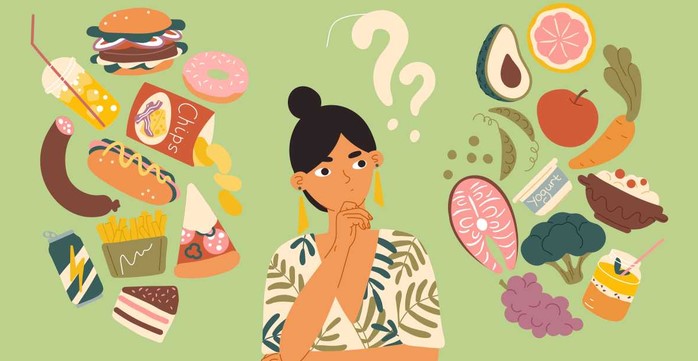
Source:https://blogs.fitpage.in
It is 3:00 PM on a hectic workday. Your energy crashes, your focus evaporates, and suddenly that glossy bag of potato chips in the vending machine starts calling your name. You tell yourself, “Just a handful,” but twenty minutes later, you are staring at an empty foil wrapper with a hit of guilt washing over you.
Over my decade as a health writer working alongside clinical nutritionists and behavioral health coaches, I have witnessed this exact scene thousands of times. I used to see clients beat themselves up over a lack of “willpower,” only to realize they were fighting a battle rigged against them.
Reducing junk food is rarely about sheer discipline; it is about understanding how hyper-palatable foods hijack your biology and learning how to outsmart those signals.
The Science of Craving: Why Quitting Junk Food Feels Impossible
When we talk about junk food, we are usually referring to ultra-processed foods (UPFs)—products engineered to hit the exact balance of sugar, salt, and unhealthy fats that triggers maximum pleasure in the brain.
Think of your brain’s reward system like an old-fashioned jukebox. Whole foods like apples or grilled chicken drop a single quarter into the machine, playing a calm, steady tune of satisfaction. Ultra-processed junk food, on the other hand, dumps a whole bag of tokens into the slot, triggering a massive wave of dopamine release.
[ Whole Foods ]  ==> Moderate Dopamine ==> Steady Energy & Satiety
[ Junk Food ]   ==> Dopamine Spike     ==> Crash ==> Instant Craving Cycle
This rapid spike and subsequent drop create a vicious cycle of craving, overeating, and fatigue.
Key Terminology to Know
To master your nutrition, it helps to speak the language of metabolism:
-
Hyper-Palatability: The artificial combination of fats, sodium, and simple carbohydrates designed to bypass your body’s natural fullness signals.
-
Satiety Index: A measure of how well a specific food suppresses hunger and keeps you feeling full after eating.
-
Glycemic Load: An indicator of how quickly a serving of food raises your blood glucose levels.
The Root Causes: Why We Reach for Ultra-Processed Snacks
In my years analyzing dietary logs and interviewing health practitioners, I have identified three primary triggers that drive people toward poor food choices.
       TRIGGER                         BIOLOGICAL RESULT
+-----------------------+       +-------------------------------+
| High Stress Levels    |       | Elevated Cortisol             |
| Sleep Deprivation     | ===>  | Ghrelin Spike (Hunger Hormone)|
| Visual/Physical Triggers|     | Automatic Habit Loops         |
+-----------------------+       +-------------------------------+
1. Chronic Stress and Cortisol
When you are stressed, your body produces higher levels of cortisol, a hormone that signals your brain to seek fast, dense energy sources—namely sugar and refined carbohydrates.
2. The Sleep Deficit Connection
Lacking adequate sleep disrupts two vital hunger hormones: ghrelin (which signals hunger) spikes, while leptin (which signals fullness) drops. A tired brain naturally craves quick calorie fixes.
3. Environmental Cue Automation
Habits are triggered by environment. If you keep a bowl of candy on your office desk, your brain registers the visual cue and initiates a craving loop before you even consciously realize you are hungry.
Actionable Strategies for Reducing Junk Food in Daily Life
Cutting out unhealthy habits does not mean living on plain lettuce. Successful long-term transformation relies on strategic, friction-free swaps.
Shift 1: Outsmart the Supermarket Perimeter
Most processed, shelf-stable items live in the center aisles of grocery stores. Spend 80% of your shopping time along the outer perimeter, where fresh produce, lean proteins, and whole dairy products are stored.
Shift 2: Upgrade Your Snack Architecture
Instead of relying on pure willpower to fight a craving, use the “Crowding Out” method. Add nutrient-dense options to your plate before deciding if you still want the treat.
| Craving | Unhealthy Option | Nutrient-Dense Upgrade |
| Crunchy & Salty | Deep-fried potato chips | Air-popped popcorn with sea salt or roasted chickpeas |
| Sweet & Creamy | Commercial milk chocolate | Whole Greek yogurt with raw honey and dark chocolate chips |
| Fizzy & Sugary | High-fructose soda | Carbonated water infused with fresh citrus or berries |
The Psychological Trap: The “All-or-Nothing” Mindset
The single biggest mistake I see beginners make when reducing junk food is attempting total, overnight elimination.
When you label foods as strictly “evil” or “forbidden,” you trigger psychological resistance. A single slip-up leads to the infamous “What the Hell Effect”—where eating one cookie convinces you that the day is ruined, leading to a full evening of bingeing.
+-----------------------------------------------------------------------+
|                    PRO INSIGHT: THE 80/20 BALANCE                     |
|                                                                       |
| Aim to get 80% of your daily energy from nutrient-dense, whole        |
| food sources. Reserve the remaining 20% for flexibility. Sustainable  |
| health is built on consistency over months, not perfection over days. |
+-----------------------------------------------------------------------+
Expert Steps to Reclaim Control Over Your Diet
💡 Pro Tip for Long-Term Success
Increase the physical friction. Keep junk food out of your home entirely. If you want a specific treat, force yourself to walk or drive to get a single serving. Adding just five minutes of physical effort between the craving and the reward eliminates up to 80% of impulsive eating.
⚠️ Hidden Warning for Meal Preppers
Beware of “Health Halo” trap foods. Granola bars, flavored yogurts, and bottled smoothies often carry as much added sugar and refined oils as standard candy bars. Always read the ingredient list for hidden sugars like agave nectar, maltodextrin, and cane syrup.
Rebuilding Your Relationship with Food
Mastering the art of reducing junk food is a journey of self-observation rather than self-punishment. By recognizing your personal stress triggers, restructuring your kitchen environment, and choosing satisfying whole-food alternatives, you gradually rewire your brain’s reward pathways.
Focus on making small, sustainable adjustments each week. Over time, your taste buds will adapt, your energy levels will stabilize, and the pull of ultra-processed snacks will naturally fade away.
Join the Conversation!
What is your biggest obstacle when trying to cut back on processed snacks? Is it late-night cravings, workplace stress, or simply convenience?
Share your thoughts and challenges in the comments below—I read every message and am here to help you navigate your journey!