


Mastering Brand Consistency Across All Touchpoints: A Practical Blueprint
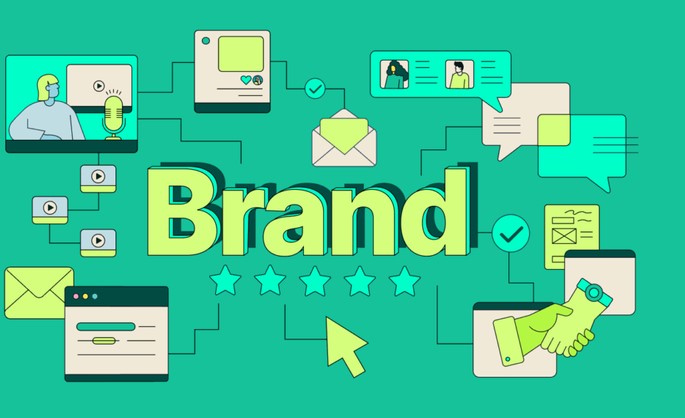
Source:https://digital-iconic.com
A few years ago, I ordered a premium product from a direct-to-consumer brand whose sleek Instagram ads and polished website had completely won me over. Their digital presence screamed cutting-edge luxury and minimalist sophistication.
However, when the package arrived at my door, the experience unraveled in seconds. The outer box was flimsy and taped together haphazardly, the enclosed thank-you card featured a completely different font and logo variant, and a automated follow-up email sounded like it was written by a cold, corporate law firm.
The disconnect was jarring. In less than two minutes, the premium perception they had spent thousands of dollars building vanished into thin air.
In my ten years of consulting for emerging ventures and enterprise brands, I have seen this operational gap cost companies millions in customer lifetime value (LTV). Many business leaders think branding is simply picking a color palette and designing a catchy logo.
In reality, building true brand equity requires seamless execution across every physical, digital, and human interaction. Here are actionable brand consistency tips and strategic frameworks to align every customer touchpoint and turn casual buyers into lifelong brand advocates.
The Orchestra Analogy: Why Multichannel Alignment Matters
Think of your brand touchpoints like musicians in a symphony orchestra. Your website is the lead violin, your social media accounts are the woodwinds, customer support is the cello section, and your product packaging is the percussion.
+-------------------------------------------------------------+
|                     DISCONNECTED BRAND                      |
|  - Conflicting visual assets & rogue typography             |
|  - Jarring tone shifts between sales & support              |
|  - Eroded consumer trust & lower brand recall              |
+-------------------------------------------------------------+
                              ||
                              \/
+-------------------------------------------------------------+
|                     SYMPHONIC BRANDING                      |
|  - Unified design systems & centralized brand hub           |
|  - Cohesive brand voice across all communication channels   |
|  - Higher customer lifetime value (LTV) & brand equity      |
+-------------------------------------------------------------+
If the violin plays a classical piece while the percussion section plays heavy metal, the output isn’t creative variation—it is insufferable noise.
Mastering brand consistency tips isn’t about enforcing rigid corporate monotony. It is about conducting every department so that regardless of where a customer interacts with your company, the underlying melody remains unmistakably yours.
The Business Case for Uniform Touchpoint Execution
Brand cohesion isn’t just an aesthetic preference for designers—it is a core growth driver that impacts your financial metrics. Research consistently demonstrates that presenting a unified brand identity across all channels can increase revenue by upwards of 20%.
When a customer experiences conflicting messaging or visual identity across touchpoints, their brain registers cognitive friction. Subconsciously, they begin to question your operational reliability, attention to detail, and product quality.
Consistency breeds familiarity, familiarity builds psychological safety, and psychological safety drives repeat purchases and lower customer acquisition costs (CAC).
4 Strategic Pillars for Maintaining Multi-Touchpoint Harmony
Over a decade of auditing brand operations, I have learned that sustainable brand coherence rests on four foundational pillars:
                  +-----------------------------------+
                  | 1. Dynamic Brand Guidelines       |
                  +-----------------------------------+
                                    |
                                    v
                  +-----------------------------------+
                  | 2. Centralized Asset Management   |
                  +-----------------------------------+
                                    |
                                    v
                  +-----------------------------------+
                  | 3. Cross-Departmental Alignment   |
                  +-----------------------------------+
                                    |
                                    v
                  +-----------------------------------+
                  | 4. Regular Touchpoint Audits      |
                  +-----------------------------------+
Pillar 1: Dynamic Brand Guidelines and Design Systems
Static 100-page PDF brand manuals from five years ago belong in a museum. Modern organizations build dynamic, cloud-based design systems that house responsive typography rules, color codes (HEX, RGB, CMYK), logo spacing requirements, and UI kits accessible to every employee in real time.
Pillar 2: Centralized Digital Asset Management (DAM)
When marketing teams store final logos in local desktop folders, outdated or stretched graphic assets inevitably leak into public campaigns. Implement a single source of truth—such as a cloud-based DAM system—where approved media assets are categorized and updated instantly.
Pillar 3: Cross-Departmental Tone of Voice Frameworks
Your brand voice isn’t just for copywriters. Customer success agents, billing specialists, and frontline retail staff must be trained on your brand’s core tone metrics.
-
Example Matrix: Define whether your tone is Authoritative vs. Approachable, Witty vs. Formal, or Technical vs. Simple depending on the channel context.
Pillar 4: Systematic Omnichannel Auditing
Brand drift happens slowly over time as teams scale. Schedule structured, quarterly audits across your entire customer journey—from ad copy and landing pages to transactional receipts and customer support scripts—to catch and correct brand drift early.
Mapping Consistency Across the Customer Journey
To ensure complete alignment, track your brand’s visual and verbal presentation across every stage of the funnel:
| Funnel Stage | Primary Customer Touchpoints | Key Consistency Focus Areas |
| Awareness | Social Media Ads, SEO Content, Billboards | Visual identity, logo usage, primary value proposition |
| Consideration | Website, Product Demos, Sales One-Pagers | Tone of voice, product photography standards, typography |
| Conversion | Checkout Experience, Service Contracts | Pricing clarity, brand voice in legal/transactional copy |
| Post-Purchase | Packaging, Onboarding Emails, Support Tickets | Unboxing experience, empathetic customer service tone |
Step-by-Step Blueprint for Building Brand Alignment
If your organization suffers from fragmented branding, follow this four-phase implementation framework to restore order:
Phase 1: Conduct a Comprehensive Touchpoint Audit (Month 1)
-
Map Every Customer Interaction: Document every physical and digital touchpoint a customer encounters throughout their lifecycle.
-
Identify Discrepancies: Screenshot and collect physical samples of outdated logos, conflicting color palettes, and inconsistent messaging.
Phase 2: Build a Centralized Brand Hub (Month 2)
-
Migrate to Cloud Guidelines: Replace static PDFs with an interactive, web-based brand style guide.
-
Establish Asset Repositories: Upload high-resolution graphic assets, templates, and pre-approved copy snippets to a shared digital storage system.
Phase 3: Train Internal Teams and External Vendors (Month 3)
-
Host Cross-Functional Workshops: Train sales, customer service, product design, and HR departments on brand voice and asset usage.
-
Align External Partners: Distribute your brand hub links to freelance designers, agencies, and PR partners to enforce strict compliance.
Phase 4: Institute Governance and Feedback Loops (Ongoing)
-
Appoint Brand Guardians: Assign key leads in each department to review and approve public-facing creative assets before launch.
-
Review Quarterly Performance: Benchmark customer sentiment and brand perception metrics against historical baselines.
Expert Insights: Pro-Tips & Hidden Pitfalls
💡 Pro-Tip: The “Employer Branding” Alignment
Don’t forget that your internal team is your biggest brand channel. Align your internal job descriptions, onboarding materials, and internal communication with your external brand voice. When employees authentically embody your brand values internally, delivering an authentic experience to external customers becomes effortless.
⚠️ The “Rigid Uniformity” Trap
Consistency does not mean copying and pasting the exact same caption across every channel. Context matters! A corporate update on LinkedIn should adapt its format for TikTok while maintaining the underlying brand identity, values, and visual recognizability. Adapt the message to the platform without losing your core personality.
Turning Cohesion Into Competitive Advantage
Mastering brand consistency tips and building a unified touchpoint ecosystem is an ongoing operational commitment, not a one-off marketing campaign. When every advertisement, transactional email, unboxing moment, and customer support call reinforces the exact same core promise, you build an unbeatable moat of consumer trust.
In a crowded marketplace where options are endless, consistency is the ultimate shorthand for quality.
Now, I would love to hear from you: Which customer touchpoint in your current business stack is the hardest to keep aligned with your overall brand identity? Drop your thoughts or questions in the comments below, and let’s troubleshoot it together!