


Architectural Value Addition: Elevating Assets with Wainscoting Dining Room Design
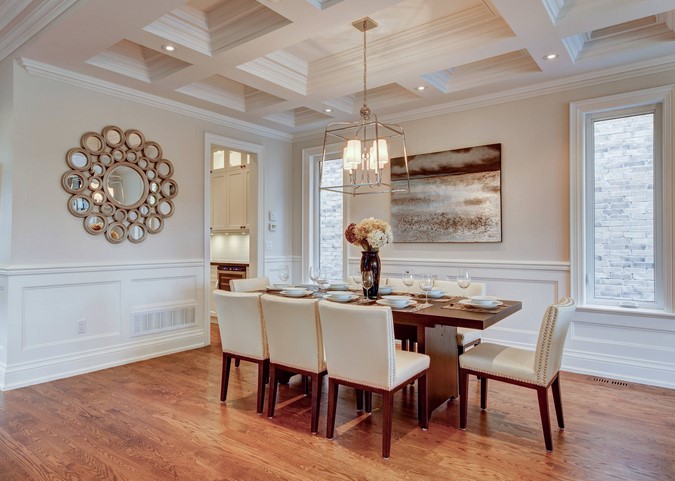 You have curated the perfect mid-century modern dining table, hung a stunning statement chandelier, and laid down a luxurious rug. Yet, when you step back to look at the room, it still feels incomplete—like a high-end tuxedo paired with worn-out canvas sneakers. The walls feel flat, cold, and entirely devoid of character.
In my ten years of flipping houses and remodeling residential spaces, I have noticed that the dining room is the hardest space to make feel “expensive.” It is a room dominated by furniture legs and vast expanses of blank drywall.
When clients ask me how to bridge the gap between ordinary and upscale without breaking the bank, my answer is always the same: permanent architectural character. Transforming a plain wall into a layered masterpiece using a thoughtful wainscoting dining room design is the ultimate secret weapon for adding immediate appraisal value to your property.
The Anatomy of Wall Trim: Breaking Down the Styles
Before you head to the local timber yard, it is vital to understand that wainscoting isn’t a one-size-fits-all solution. Historically used in 18th-century homes to shield plaster walls from dampness and scuffing chairs, modern millwork is all about scale, shadow lines, and texture.
Think of wainscoting like a well-tailored suit for your room. If the proportions are off, the entire space looks awkward. Here are the primary styles you will encounter when planning your layout:
+-----------------------------------------------------------------+
|                  POPULAR WAINSCOTING VARIATIONS                 |
+-----------------------------------------------------------------+
| 1. Raised Panel:   [ Classic / Traditional / Heavy Beveling ]   |
| 2. Flat Panel:     [ Shaker Style / Clean Lines / Craftsman ]   |
| 3. Beadboard:      [ Country Cottage / Vertical Grooves ]       |
| 4. Picture Frame:  [ Applied Molding / Elegant / Low Profile ]  |
+-----------------------------------------------------------------+
Traditional Raised Panel vs. Modern Shaker Flat Panel
Raised paneling involves a central wood panel that is bevelled so its surface sits flush with or slightly proud of the surrounding frames (stiles and rails). This is your go-to option for formal, historic elegance.
Conversely, Shaker-style flat paneling utilizes completely recessed center panels. This creates clean, sharp 90-degree shadow lines that fit beautifully into transitional, modern farmhouse, or contemporary minimalist dining spaces.
The Rule of Thirds: Getting the Proportions Right
The most common mistake I see intermediate DIYers make is choosing an arbitrary height for their millwork. A wall that is cut exactly in half creates a jarring visual line that makes your ceilings feel lower than they actually are.
To explain this to my apprentices, I use the Three-Box Analogy. Imagine your wall is divided vertically into three equal boxes. Your wainscoting dining room installation should ideally occupy the bottom box, leaving the top two boxes for paint, artwork, or wallpaper.
   THE GOLDEN RATIO WALL SPECIFICATION

   =================================== [ Ceiling Line ]
   │                                 │
   │       PAINT OR WALLPAPER        │ <- Upper 2/3 (Visual Air)
   │                                 │
   ├─────────────────────────────────┤ [ Chair Rail / Cap Molding ]
   │   Top Rail                      │
   │  ┌──────┐     ┌──────┐     ┌──────┐ │
   │St│Panel │Stile│Panel │Stile│Panel │ │ <- Lower 1/3 (Wainscoting)
   │  └──────┘     └──────┘     └──────┘ │
   =================================== [ Baseboard & Floor ]
For a standard 8-foot ceiling, aiming for a finished height between 32 to 36 inches from the floor (including the baseboard and the top chair rail) is the sweet spot. If you lucky enough to have 10-foot ceilings, you can safely push that height up to 48 inches to maintain a grand aesthetic.
Step-by-Step Execution: Crafting a Flawless Frame System
If you are a beginner or intermediate DIYer, jumping straight into full-blown sheet panel installation can feel incredibly overwhelming. Luckily, you can achieve the exact same high-end look using an applied molding technique (often called picture frame molding), where you use the existing drywall as the backing panel.
1. Mapping and Layout Calculations
Never buy a single piece of wood until you have sketched your layout on paper. Measure the total length of your dining room wall in inches. Deduct the width of your planned vertical stiles, and divide the remaining space equally to determine the perfect width for your inner panels.
Pro Tip: Use low-tack painter’s tape to map out the entire frame layout directly on your wall first. Step back and look at it from your dining table. This allows you to visually check for alignment with light switches, electrical outlets, and HVAC vents before cutting into your budget.
2. Precise Miter Cutting
For an elegant finish, the inner molding pieces must meet at perfect 45-degree miter joints. Invest in a quality miter saw or a precise manual miter box.
When cutting, ensure your measurements are taken from the long point to the long point of the angles. If your cuts are even a fraction of a millimeter off, you will end up with ugly gaps that ruin the illusion of seamless custom carpentry.
3. Installation and Adhesion
Locate the wall studs using a reliable stud finder and mark them lightly with a pencil. Apply a continuous zigzag bead of high-tack construction adhesive to the back of your molding pieces.
Press the molding firmly against your layout lines, then secure it using an 18-gauge brad nailer with 2-inch brad nails driven directly into the studs where possible. The adhesive handles the long-term holding power, while the brad nails act as a temporary clamp while the glue cures.
Expert Advice: Hidden Warnings for a High-End Finish
The difference between a glaring DIY job and a professional, architect-grade installation lies entirely in the final prep work. Here is what separates the amateurs from the veterans on the job site:
-
The Caulk Guardrail: Never skip caulking. Every single place where the wood meets the drywall, and every inside corner joint, must receive a thin bead of high-quality, paintable silicone-acrylic caulk. Wipe away the excess with a damp finger. This fills the microscopic voids and makes the trim look like it grew out of the wall naturally.
-
Flawless Fastener Concealment: Do not try to hide your nail holes with caulk; caulk shrinks as it dries, leaving noticeable dimples under your paint. Instead, fill every nail hole with shrink-free wood filler, overfilling it slightly. Once dry, sand it completely flush with 220-grit sandpaper until you cannot feel the transition with your eyes closed.
-
The Sheen Harmonization: To truly trick the brain into thinking the drywall inside your frames is solid wood, paint the wainscoting, baseboards, and chair rails with the exact same color and finish. A semi-gloss or satin sheen is ideal. The higher sheen reflects light off the shadow lines beautifully and makes cleaning up inevitable dinner party scuff marks a breeze.
Conclusion
Elevating your assets through intentional architectural upgrades pays dividends—both in daily personal enjoyment and long-term resale value. A custom wainscoting dining room project grounds your furniture, frames your space, and introduces a classic rhythm that instantly makes your home feel more historic, anchored, and expensive.
Are you planning to tackle a dining room transformation soon, or are you trying to decide which style fits your architectural era best? Drop a comment below, share your wall dimensions, and let’s plan your layout together!