


Daily Archives: April 20, 2026
Balanced Meal Ideas for Every Dietary Need
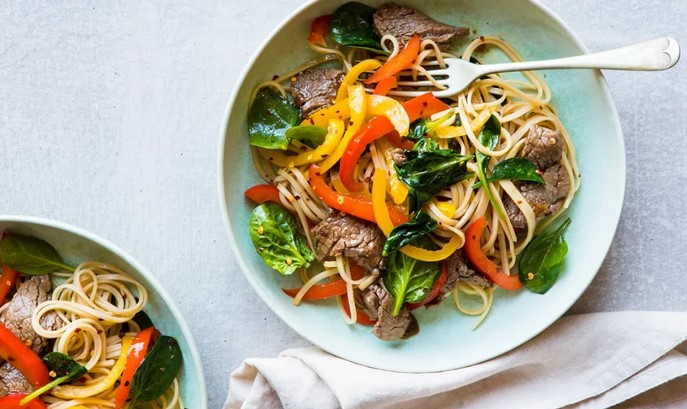
Source:https://i0.wp.com
You’ve just finished a massive bowl of pasta. For twenty minutes, you felt like a superhero. But now, as you sit at your desk, your eyelids weigh ten pounds each, your brain feels like it’s wrapped in cotton wool, and you’re already eyeing the vending machine for a chocolate bar. This “sugar crash” isn’t a lack of willpower; it’s a biological protest.
In my ten years of clinical health writing and nutritional observation, I’ve seen that most people don’t have a “hunger” problem—they have a “proportion” problem. We eat plenty of volume, but we aren’t eating the right ratios to keep our internal engines humming.
Finding balanced meal ideas isn’t about restriction or eating bland steamed broccoli for the rest of your life. It is about bio-hacking your plate so that your hormones, energy, and mood stay stable from sunrise to sunset.
The Three-Legged Stool Analogy: Stability in Nutrition
To understand a balanced meal, think of a three-legged stool. The legs represent Macronutrients: Carbohydrates, Proteins, and Fats.
If one leg is six feet long (too many carbs) and the other two are six inches long (not enough protein or fat), the stool is useless. You’ll tip over—physically and mentally. A balanced meal ensures all three “legs” are the right length to support your body’s weight and metabolic demands.
1. The Blueprint: What Does “Balanced” Actually Look Like?
When I consult with clients, I don’t give them complex calorie counts. Instead, I show them the Plate Method. It’s the visual “cheat sheet” for longevity.
-
50% Non-Starchy Vegetables: This is your volume and your Micronutrients (vitamins and minerals). Think leafy greens, bell peppers, or zucchini.
-
25% Lean Protein: This is the “building block” for your muscles and neurotransmitters.
-
25% Complex Carbohydrates: This is your slow-release energy source.
-
A “Thumb” of Healthy Fats: This is the secret to satiety and brain health.
2. Balanced Meal Ideas for Plant-Based Seekers
A common mistake I see in vegetarian and vegan diets is the “Carb-on-Carb” trap—eating a bowl of rice topped with sweet potatoes. While delicious, this sends your insulin on a roller coaster.
The Fix: The Mediterranean Quinoa Bowl
-
Base: 1/2 cup cooked quinoa (Complex Carb + Protein).
-
Protein: 1/2 cup roasted chickpeas or marinated tempeh.
-
Veggies: Massive handful of baby spinach, cherry tomatoes, and cucumber.
-
Fat: 1/4 of an avocado and a drizzle of extra virgin olive oil.
This combination ensures you get a Complete Protein profile (all nine essential amino acids) without the heavy post-meal lethargy.
3. Fueling the Low-Carb and Keto Lifestyle
If you’ve removed grains, you must replace those calories with healthy fats, or your body will go into “starvation mode” and hold onto every ounce of tissue.
The Fix: Zucchini Noodle Salmon Pesto
-
Base: Large bowl of spiralized zucchini (zoodles).
-
Protein: Wild-caught salmon fillet (Rich in Omega-3 Fatty Acids).
-
Veggies: Roasted asparagus and sautéed mushrooms.
-
Fat: 2 tablespoons of basil pesto made with pine nuts and olive oil.
Tips Pro: Watch Your Electrolytes
In my experience, when people switch to low-carb balanced meal ideas, they often suffer from the “Keto Flu.” This is usually just dehydration and salt loss. Don’t be afraid to season your food well with sea salt and focus on potassium-rich foods like avocado.
4. Gluten-Free Balance for Digestive Health
For those with Celiac disease or gluten sensitivity, the danger is in processed “Gluten-Free” replacement foods. These are often loaded with refined starches (rice flour, potato starch) that spike blood sugar faster than regular bread.
The Fix: The Sweet Potato Turkey Skillet
-
Base: Diced roasted sweet potato (skins on for extra fiber).
-
Protein: Lean ground turkey sautéed with garlic and onions.
-
Veggies: Diced bell peppers and kale folded in at the end.
-
Fat: A sprinkle of pumpkin seeds (pepitas) for crunch and magnesium.
Technical Vocabulary: The Science of the Plate
To move into the intermediate level of health literacy, you need to understand these LSI Keywords and how they affect your physiology:
-
Glycemic Index (GI): A ranking of how quickly foods raise blood glucose levels. Balanced meals aim for a “Low GI” response.
-
Satiety Signals: Hormones like Leptin and Cholecystokinin (CCK) that tell your brain you are full. Protein and fat are the strongest triggers for these.
-
Fiber Density: The amount of fiber relative to calories. High fiber density prevents constipation and feeds your Gut Microbiome.
-
Bioavailability: How well your body can actually absorb the nutrients you eat. For example, adding fat to carrots increases the bioavailability of Vitamin A.
-
Amino Acid Profile: The specific makeup of proteins. Animal sources are “complete,” while plant sources often need to be paired (like beans and rice).
5. Expert Advice: The “Hidden Warning” of Liquid Calories
I’ve seen people eat a perfectly balanced salad and then wash it down with a “healthy” green juice that contains 40g of sugar and zero fiber.
Peringatan Tersembunyi: Liquid sugar—even from fruit—hits your liver like a freight train. It bypasses the normal digestion process and triggers a massive insulin spike that negates the balance of your solid food. Stick to water, herbal tea, or black coffee to keep your balanced meal ideas effective.
6. Pre-Workout vs. Post-Workout Balance
Your body’s needs shift depending on your activity level.
-
Pre-Workout: Lean toward slightly more simple carbs for immediate fuel (e.g., a banana with a small smear of almond butter).
-
Post-Workout: Prioritize protein and antioxidants to repair muscle fibers and reduce Oxidative Stress (e.g., a protein smoothie with berries and spinach).
Scannable Checklist for Every Plate
Before you take your first bite, run through this 5-second audit:
-
[ ] Can I see green? (At least half the plate should be colorful).
-
[ ] Is there a palm-sized protein? (Crucial for muscle maintenance).
-
[ ] Is there a source of fat? (Without it, you’ll be hungry in 60 minutes).
-
[ ] Is the starch “whole”? (Choose brown rice, quinoa, or tubers over white flour).
-
[ ] Am I drinking water? (Hydration is the silent partner of digestion).
Conclusion: Consistency Over Perfection
The search for balanced meal ideas shouldn’t be a source of stress. In my ten years in the health industry, the people who are the healthiest aren’t the ones who eat perfectly 100% of the time—they are the ones who understand the “physics” of their food.
Once you know how to build a plate that stabilizes your blood sugar and nourishes your cells, you regain control over your energy and your life. You stop being a slave to your cravings and start being the architect of your health.
Which “leg” of the nutrition stool are you currently missing the most—Protein, Fiber-rich Carbs, or Healthy Fats? Tell me about your typical lunch in the comments, and let’s see if we can “re-balance” it together!