


Sailing Simple: Budget Boat Trips Across Rivers & Seas
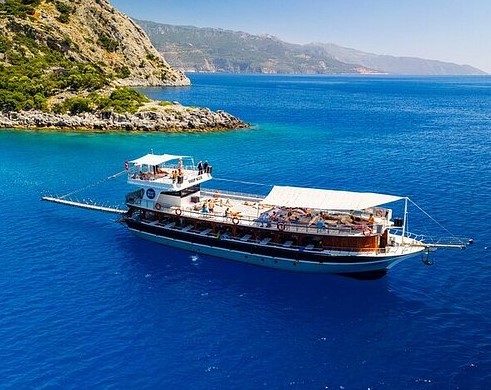
Source:https://dynamic-media-cdn.tripadvisor.com
I still remember the salt spray hitting my face in the Philippines back in 2014. I had exactly $15 left for the day, and I was staring at a sleek, private yacht tour that cost $120. I almost walked away, thinking the “sea life” was a luxury I couldn’t afford. Then, a local fisherman pointed toward a weathered wooden bangka filled with locals and sacks of rice. For less than the price of a fancy coffee, I spent the next four hours navigating turquoise lagoons.
That day changed my entire philosophy on travel. Over the last decade, I’ve learned that the water doesn’t care how much you paid to float on it. Whether it’s a majestic river in Europe or a hidden cove in Southeast Asia, budget boat trips are often more authentic, more adventurous, and significantly more rewarding than their “all-inclusive” counterparts.
Why “Budget” Doesn’t Mean “Basic”
Many travelers equate price with quality. They assume a cheap boat means a leaking hull and no life vests. In reality, budget boat trips are simply the “public transport” of the waterways.
Think of it like this: A private limousine is nice, but the London Underground gets you to the same destination faster and gives you a real slice of city life. Budget boating is the subway of the sea. It’s where you meet the grandmother going to market, the student commuting to school, and the seasoned traveler who knows that the sunset looks exactly the same from a $5 ferry as it does from a $500 catamaran.
Mastering the Art of Local Ferries and Water Taxis
The backbone of affordable aquatic travel is the local ferry system. These aren’t cruise ships; they are utility vessels, and they are your best friend.
The Commuter Advantage
In cities like Bangkok, Venice, or Istanbul, the waterways are the veins of the city.
-
Bangkok’s Chao Phraya Express: For about 15-30 Baht ($0.50 – $1.00), you can traverse the entire city. You’ll see the Wat Arun and the Grand Palace from the water—the exact same view the dinner cruises charge $60 for.
-
Venice’s Vaporetto: While a gondola ride is a romantic splurge ($80+), a Vaporetto pass allows you to hop between islands like Murano and Burano all day for a fraction of the cost.
Inter-Island Hopping on a Dime
In archipelagos like Greece or Indonesia, the “slow ferry” is a rite of passage. While the “Fast Boats” or “High-Speed Catamarans” shave off two hours of travel time, they often double or triple the price. Pro Tip: Take the overnight slow ferry. You save on a night’s accommodation, get a bed (or a reclining seat), and wake up in a new port as the sun rises.
Finding “Hidden” Budget Boat Trips in Europe
Europe is often seen as a high-budget destination, but its river systems offer some of the most overlooked budget boat trips in the world.
The Danube and the Rhine
You don’t need a $3,000 river cruise to see the castles of the Rhine. Local passenger ferries operate between many of the riverside towns in Germany. You can buy a point-to-point ticket, hop off at a medieval village, enjoy a bratwurst, and catch the next boat three hours later. It’s a DIY cruise that keeps your wallet intact.
Portugal’s Douro Valley
Instead of the tourist-heavy boats departing from Porto, head further inland by train and use the local river crossings. These short trips offer the same terraced vineyard views for the price of a bus ticket.
Technical Insight: Understanding Vessel Types
When you’re booking or boarding, it helps to know what you’re looking at. Navigating the world of maritime budget travel requires a bit of lingo:
| Vessel Type | Best For | Typical Cost |
| Long-tail Boat | Coastal hopping in SE Asia | Low (Negotiable) |
| Ro-Ro Ferry | Carrying cars/backpackers between islands | Very Low |
| Feluccas | Traditional wind-powered sailing (Egypt) | Moderate |
| Public Water Bus | Urban sightseeing (NYC, London, Bangkok) | Very Low |
How to Negotiate a Private Charter (The “Group Hack”)
Sometimes, there is no public ferry to that “secret beach” you saw on Instagram. This is where your negotiation skills come into play.
Never book at the hotel desk. The hotel adds a “convenience fee” that can be 50-100% of the actual price. Instead, walk down to the pier at 8:00 AM or 4:00 PM when the fishermen are either heading out or coming in.
The “Empty Leg” Strategy: If a boat is returning to its home port empty, they will almost always take you for a “gas money” price. Ask: “Are you heading back to [Destination] anyway?”
The Group Hack: If a private boat costs $100 for the day, it’s expensive for one person. But if you stand by the pier and find four other travelers, it’s suddenly a budget boat trip at $20 per person. Don’t be shy; your fellow travelers are usually looking for the same deal!
Safety and Preparedness: The Non-Negotiables
Low cost should never mean low safety. In my ten years on the water, I’ve seen it all. Here is my “Safety First” checklist for budget vessels:
-
Check the Plimsoll Line: If the boat looks like it’s sitting too deep in the water because it’s overloaded with people or cargo, do not get on. Wait for the next one.
-
Locate the PFDs: Personal Flotation Devices (life jackets) should be visible. If they are locked away or non-existent, that’s a red flag.
-
Weather Wisdom: Use apps like Windy or PredictWind. If the “locals” are hesitant to go out, you should be too. Never pressure a captain to sail in a storm just because you have a flight to catch.
Pro Tips for the Savvy Sailor
-
Pack Your Own Provisions: Budget boats rarely have “buffets.” They might have a cooler with lukewarm soda at five times the market price. Bring a 1.5L bottle of water and some dry snacks.
-
Dry Bags are Mandatory: On budget boats (especially long-tails or open-air ferries), “spray” is a guarantee. If your laptop or camera isn’t in a dry bag, it’s a paperweight.
-
Seasickness Strategy: Budget boats are often smaller and feel the swell more than giant cruise ships. Sit in the middle of the boat (the center of gravity) and keep your eyes on the horizon.
The Environmental Impact: Travel Responsibly
As a traveler, you have a responsibility to the waters you enjoy. Budget boats are often older and may use two-stroke engines that are less fuel-efficient. You can offset this by:
-
Zero Waste: Never, under any circumstances, throw trash overboard.
-
Sunscreen Choice: Use “Reef Safe” sunscreen. The chemicals in standard sunscreen are devastating to the coral reefs these boats take you to visit.
Conclusion: The Horizon is Calling
The magic of travel isn’t found in the thread count of your cabin sheets; it’s found in the perspective you gain when the land disappears behind you. By choosing budget boat trips, you aren’t just saving money—you’re choosing a front-row seat to the local way of life. You’re trading a sterile, air-conditioned cabin for the wind in your hair and a story to tell.
Next time you’re near a coastline or a riverbank, don’t look for the shiny ticket office with the English signs. Look for where the locals are gathering, find the man with the weathered hands and the sturdy boat, and ask where he’s going.
Have you ever found a “secret” boat route that saved you a fortune? Or perhaps you’ve had a hilarious mishap on a local ferry? Share your stories in the comments below—I’d love to hear your favorite ways to sail simple!