






Giving Your Dog a Bath Without Clogging the Drain

Dogs are a man’s best friend. They’re these high energy maniacs that are just very happy to be around their families no matter what’s going on. But with all of that high energy comes one inevitable thing, a dog that ends up getting dirty, even if you’re just bathed it!
That’s just a thing everyone needs to accept. With dogs, comes a lot of mess, and bathing your dogs is just something you need to constantly do! This is why a lot of people end up getting cats because you don’t really need to bathe them that often, but dogs have to be bathed, or you’ll just end up with a stinky dog, and a stinky house.
Delaying your dog’s bath is not a good idea, but bathing them means your bathing area, especially your drains are going to take a massive hit. No one likes having to clean out clogged drains, but you can’t exactly leave your dog dirty and need a bath either.
The good thing is, you don’t have to choose between keeping your dog clean or having a clean drain. In this post, we’re going to be talking about the best ways you can give your dog a bath without clogging your drain!
Brush for days
A lot of people forget that just like us, dogs need to brush their luscious hair too. Dogs lose several strands of hair throughout the day, and if they’re left to float around untouched, you’re going to have a house and a drain that’s just full of dog hair all the time. To avoid that, just brush your dog on a regular basis, especially right before bath time. That way, you’ll have most of the loose strands taken care of before you take them into the bath!
Get a drain cover
Drain covers are very easily available online and in most stores. These just plop right over your drain and will catch all of the debris that makes it through to it! With these, you can just bathe your dog, as you normally would, and once you’re done, remove the drain cover. With it, you’ll just remove all of the hair with it. Dump the hair in a bin and you’ll have a nice and clean drain right under it!
Use a Wipe
If you don’t have a drain cover, you could even get a makeshift one by using baby wipes! Take a baby wipe and place it in the bath drain. After it’s been placed, insert the plug. Bathe your dog as you normally would. Once you’re done, reach over to where the wipe is, and hold it taught on both sides. This will be a little tricky, but it’s still better than having a super clogged up drain. Then, take the plug out and let the water drain through the wipe. This way, the wipe ends up being the filter you need to catch all of the floating dog hair that may want to get all up in your drain! Once the water drains entirely, take the wipeout and discard it. A little bit of extra effort, but totally worth it in the end!
Get started on the right paw!
You can’t really protect something that’s already been destroyed. A lot of dog hair in your drain can end up clogging it in the long run, and that’s not something you should wait for to happen.
Instead of waiting for the inevitable, call Drain Cleaning Brooklyn or a recommended drain cleaning service in your area to clean your drains for you. That way, you can take all the extra measures while bathing your dog to protect the drain going forward, and ensure that your plumbing stays safe, and your dog stays clean!
What requirement the uniform for cleaning staff must meet
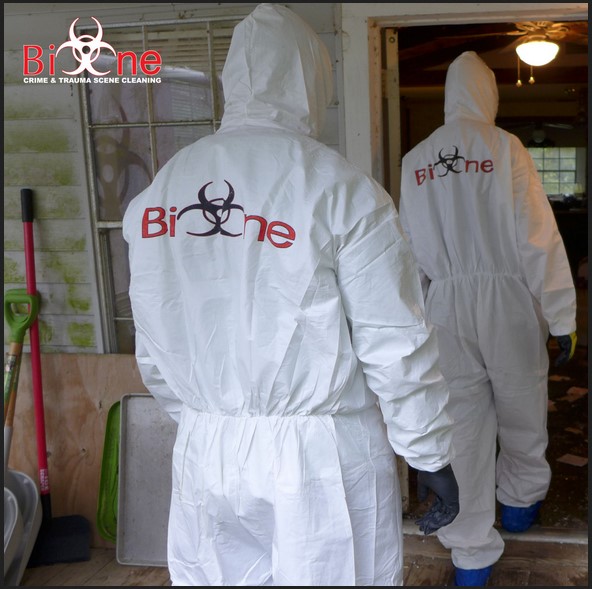 We know that the work of cleaning companies is not limited to cleaning apartments and offices. Employees of providing disaster cleaning services, water damage cleaning services or trauma scene cleanup services often perform much more complex tasks: they clean up after a fire or flooding, remove the consequences of crimes or suicides, deal with biohazard waste disposal. Obviously, the staff who perform such complicated work requires a comfortable and reliable uniform.
Uniforms for cleaning must have the characteristics which fully meet the requirements and specifics of the work. There are two basic criteria which special uniform must meet – comfort and safety. It is clear that uncomfortable clothes will make the cleaning procedure impossible and since some cleaning services, for instance trauma scene cleanup, involves dealing with harmful substances, the uniform must provide the highest level of safety to the worker. Protective moisture-resistant aprons, sleeves, overalls, semi-overalls, jackets and other items of uniform are made from wear-resistant anti-allergic material, usually nylon coated with polyurethane.
The nylon underside of overalls and jackets is comfortable and safe for the skin, so it is not necessary to wear pants and long-sleeved shirts under the cleaning uniform. Due to the polyurethane coating, all models have the following properties:
• moisture resistance and moisture impermeability;
• air tightness;
• high tensile strength;
• wear resistance;
• resistance to chemicals (including aggressive alkaline solutions used to remove particularly difficult contaminants during crime scene or trauma scene cleanup).
Overalls for cleaning must reliably protect the skin from both direct contact with aggressive cleaning compounds and hazardous fumes. What’s more, the uniform is usually worn both indoors and outdoors, therefore it must have the corresponding characteristics. Another important requirement to the cleaning uniform is that it should be easily taken care of.
Functionality and comfort
All models of jackets, aprons and sleeves and overalls for cleaning must have reliable moisture-resistant fasteners and convenient inside pockets. These details are important because during cleaning, a worker can put tools they need in the pockets, which is very comfortable. As for the fasteners, there shouldn’t be any problems with zipping up and unzipping the uniform.
Nowadays it’s possible to find myriads of various models. For instance, there are models of jumpsuits with lace-up sleeves and with straight sleeves. The former ones are ideal for outdoor work or for performing cleaning with aggressive chemicals like trauma scene cleanup, while the latter ones are suitable for indoor or outdoor cleaning work during the warm season.
When making overalls for cleaning, the companies take into account that they are often worn on top, on everyday clothes. All uniforms must be loose and mustn’t hinder movements because the cleaning job involves a lot of physical effort like moving and removing the furniture, carrying garbage and even climbing the walls. It’s necessary to wear comfortable clothes to do the cleaning efficiently.
Winter protective clothing is designed for work in unheated rooms and outdoors, so this uniform must meet special requirements. Winter models must:
• have thermal insulation;
• be water resistant;
• be wear resistant;
Summer uniform should be light, breathable and perform protective functions. The use of modern materials allows not to sacrifice comfort for the sake of functionality. When choosing the right uniform for your workers, make sure it comes all sizes ranging from XS to 5XL.
Cleaning staff providing death scene cleanup or trauma scene cleanup along with special clothing use personal protective equipment for hands (mittens, gloves), special headwear and masks which protect eyes and face, as well as hearing organs. These and other personal protective equipment is available in different online store.
To sum up, high-quality uniform for cleaning must be reliable, ensure safety of a worker, be comfortable easy to take care of and look professionally.
Class Posters: Enhancing Learning Environments with Visuals
class posters are a great way to enhance learning environments with visuals. They can be used to help students learn and remember information, as well as to create a more engaging and stimulating learning environment. Posters can be used to introduce new topics, reinforce existing concepts, and provide visual reminders of important information. They can also be used to create a more positive and inviting atmosphere in the classroom. class posters can be used to promote student engagement, foster creativity, and encourage collaboration. They can also be used to help students develop critical thinking skills and problem-solving abilities. With the right design and content, class posters can be an effective tool for improving student learning outcomes.
How Class Posters Can Help Students Retain Information: Exploring the Benefits of Visual Learning
Visual learning is a powerful tool for students to retain information. Classroom posters are an effective way to engage students in visual learning, as they provide a visual representation of the material being taught. This article will explore the benefits of using class posters to help students retain information.
One of the primary benefits of using class posters is that they provide a visual representation of the material being taught. This helps students to better understand the concepts being presented, as they can see the information in a visual format. Additionally, posters can be used to reinforce key concepts, as they can be used to highlight important points or to provide a visual representation of a concept. This can help students to better remember the material, as they can easily refer back to the poster when needed.
Another benefit of using class posters is that they can be used to engage students in the learning process. Posters can be used to provide a visual representation of the material being taught, which can help to engage students in the learning process. Additionally, posters can be used to provide a visual representation of the material being taught, which can help to engage students in the learning process. This can help to keep students engaged and motivated to learn.
Finally, class posters can be used to provide a visual representation of the material being taught, which can help to reinforce the material. Posters can be used to provide a visual representation of the material being taught, which can help to reinforce the material. This can help students to better remember the material, as they can easily refer back to the poster when needed.
In conclusion, class posters can be an effective tool for helping students to retain information. Posters can provide a visual representation of the material being taught, which can help to engage students in the learning process. Additionally, posters can be used to reinforce key concepts, as they can be used to highlight important points or to provide a visual representation of a concept. Finally, posters can be used to provide a visual representation of the material being taught, which can help to reinforce the material. By utilizing class posters, teachers can help to ensure that their students are able to retain the material being taught.
Creative Ways to Incorporate Class Posters into Your Curriculum: Tips for Engaging Students with Visuals
Classroom posters can be a great way to engage students and add visual interest to your curriculum. Here are some tips for incorporating posters into your lessons in creative and meaningful ways:
1. Use posters to introduce a new topic. Posters can be used to introduce a new topic or concept in a visually stimulating way. For example, you could create a poster with a timeline of events or a diagram of a process.
2. Use posters to reinforce concepts. Posters can be used to reinforce concepts that have already been taught. For example, you could create a poster with a list of key terms or a diagram of a concept.
3. Use posters to review material. Posters can be used to review material that has already been taught. For example, you could create a poster with a list of key facts or a diagram of a concept.
4. Use posters to encourage discussion. Posters can be used to encourage discussion and debate. For example, you could create a poster with a controversial statement or a diagram of a concept that could be interpreted in different ways.
5. Use posters to assess student understanding. Posters can be used to assess student understanding of a concept. For example, you could create a poster with a list of questions or a diagram of a concept that students can answer.
By incorporating posters into your lessons, you can engage students in a visual way and help them to better understand and remember the material.
Conclusion
class posters can be a great way to enhance learning environments with visuals. They can help to engage students, provide visual cues, and reinforce concepts. They can also be used to create a positive learning environment and to promote student creativity. With the right design and content, class posters can be an effective tool for teaching and learning.
Symptoms of Hormonal Imbalance: Recognizing Signs of Hormone-Related Health Issues
Hormonal imbalance is a common health issue that can affect people of all ages. It can cause a variety of symptoms, ranging from mild to severe. Recognizing the signs of hormone-related health issues is important for maintaining overall health and wellbeing. This article will discuss the common symptoms of hormonal imbalance and how to recognize them. It will also provide tips on how to manage and treat hormone-related health issues.
Common Symptoms of Hormonal Imbalance: Recognizing the Signs of Hormone-Related Health Issues
Hormonal imbalance is a common health issue that can have a significant impact on a person’s physical and mental wellbeing. It is important to recognize the signs of hormone-related health issues in order to seek appropriate treatment. Common symptoms of hormonal imbalance include fatigue, weight gain, mood swings, depression, anxiety, insomnia, headaches, and changes in libido.
Fatigue is one of the most common symptoms of hormonal imbalance. People with hormonal imbalances may experience extreme fatigue, even after getting a full night’s sleep. This can be caused by a variety of factors, including low levels of certain hormones, such as thyroid hormones.
Weight gain is another common symptom of hormonal imbalance. People with hormonal imbalances may experience sudden and unexplained weight gain, even when their diet and exercise habits remain the same. This can be caused by a variety of factors, including low levels of certain hormones, such as insulin.
Mood swings, depression, and anxiety are also common symptoms of hormonal imbalance. People with hormonal imbalances may experience sudden and extreme changes in mood, as well as feelings of depression and anxiety. This can be caused by a variety of factors, including low levels of certain hormones, such as serotonin.
Insomnia is another common symptom of hormonal imbalance. People with hormonal imbalances may experience difficulty falling asleep or staying asleep, even when they are tired. This can be caused by a variety of factors, including low levels of certain hormones, such as melatonin.
Headaches are also a common symptom of hormonal imbalance. People with hormonal imbalances may experience frequent and severe headaches, even when they are not under any particular stress. This can be caused by a variety of factors, including low levels of certain hormones, such as cortisol.
Finally, changes in libido are also a common symptom of hormonal imbalance. People with hormonal imbalances may experience sudden and extreme changes in their sex drive, even when their relationship remains the same. This can be caused by a variety of factors, including low levels of certain hormones, such as testosterone.
If you are experiencing any of these symptoms, it is important to speak to your doctor in order to determine the cause and seek appropriate treatment.
How to Diagnose Hormonal Imbalance: Understanding the Role of Blood Tests and Other Tests in Identifying Hormone-Related Health Issues
Hormonal imbalance is a common health issue that can cause a variety of symptoms, including fatigue, weight gain, mood swings, and infertility. Diagnosing a hormonal imbalance requires a thorough evaluation of the patient’s medical history, physical examination, and laboratory tests.
Blood tests are the most common way to diagnose a hormonal imbalance. These tests measure the levels of hormones in the blood, which can help identify any imbalances. Commonly tested hormones include testosterone, estrogen, progesterone, cortisol, and thyroid hormones. Depending on the patient’s symptoms, other hormones may also be tested.
In addition to blood tests, other tests may be used to diagnose a hormonal imbalance. These tests may include imaging tests such as ultrasound or MRI, or genetic tests to identify any underlying genetic conditions that may be causing the imbalance.
It is important to note that blood tests alone cannot diagnose a hormonal imbalance. The results of the tests must be interpreted in the context of the patient’s medical history, physical examination, and other laboratory tests. For example, if a patient has symptoms of low testosterone, but the blood test results show normal levels, other tests may be needed to determine the cause of the symptoms.
In conclusion, diagnosing a hormonal imbalance requires a comprehensive evaluation of the patient’s medical history, physical examination, and laboratory tests. Blood tests are the most common way to measure hormone levels, but other tests may also be used to identify any underlying conditions that may be causing the imbalance. It is important to note that blood tests alone cannot diagnose a hormonal imbalance, and the results must be interpreted in the context of the patient’s medical history and other tests.
Conclusion
In conclusion, recognizing the signs of hormone-related health issues is essential for maintaining good health. Hormonal imbalances can cause a variety of symptoms, including fatigue, weight gain, mood swings, and changes in appetite. If you experience any of these symptoms, it is important to speak to your doctor to determine if a hormonal imbalance is the cause. With proper diagnosis and treatment, hormonal imbalances can be managed and the symptoms can be alleviated.
Hattie’s Teaching Strategies: Maximizing Student Achievement
Hattie’s Teaching Strategies: Maximizing Student Achievement is a comprehensive guide to effective teaching strategies that can help teachers maximize student achievement. Written by John Hattie, a renowned educational researcher, this book provides teachers with a wealth of evidence-based strategies that can be used to create an effective learning environment and promote student success. The strategies outlined in the book are based on Hattie’s extensive research into what works best in the classroom, and they are designed to help teachers create an environment that encourages students to learn and grow. With its clear and concise explanations, Hattie’s Teaching Strategies: Maximizing Student Achievement is an invaluable resource for any teacher looking to maximize student achievement.
How Hattie’s Teaching Strategies Can Help Teachers Maximize Student Achievement
Hattie’s teaching strategies are designed to help teachers maximize student achievement. His research-based approach focuses on the impact of teaching strategies on student learning. He has identified nine key areas that have the greatest impact on student achievement: classroom environment, teacher clarity, feedback, student engagement, student expectations, teacher expectations, learning strategies, metacognition, and student self-regulation.
Classroom environment is a key factor in student achievement. Hattie’s research suggests that a positive classroom environment is essential for student success. This includes creating a safe and supportive learning environment, providing clear expectations, and encouraging collaboration and communication.
Teacher clarity is also important for student success. Hattie’s research suggests that teachers should be clear and consistent in their expectations and instructions. This includes providing clear instructions, modeling desired behaviors, and providing feedback on student performance.
Feedback is another important factor in student achievement. Hattie’s research suggests that teachers should provide timely and specific feedback to students. This includes providing both positive and constructive feedback, as well as providing feedback on both successes and failures.
Student engagement is also essential for student success. Hattie’s research suggests that teachers should create engaging learning activities that are tailored to the individual needs of each student. This includes providing opportunities for students to explore their interests, providing meaningful tasks, and encouraging collaboration and problem-solving.
Student expectations are also important for student success. Hattie’s research suggests that teachers should set high expectations for students and provide them with the support they need to meet those expectations. This includes providing clear expectations, providing support and guidance, and providing feedback on student performance.
Teacher expectations are also important for student success. Hattie’s research suggests that teachers should set high expectations for themselves and strive to be the best teachers they can be. This includes setting clear goals, providing feedback to students, and modeling desired behaviors.
Learning strategies are also important for student success. Hattie’s research suggests that teachers should provide students with the tools and strategies they need to be successful learners. This includes teaching students how to set goals, how to plan and organize their work, and how to use effective study strategies.
Metacognition is also important for student success. Hattie’s research suggests that teachers should help students develop their metacognitive skills. This includes teaching students how to think critically, how to reflect on their learning, and how to monitor their own progress.
Finally, student self-regulation is also important for student success. Hattie’s research suggests that teachers should help students develop their self-regulation skills. This includes teaching students how to manage their emotions, how to set goals, and how to take responsibility for their own learning.
By implementing Hattie’s teaching strategies, teachers can maximize student achievement. By creating a positive classroom environment, providing clear expectations, and providing feedback, teachers can help students reach their full potential.
Exploring the Benefits of Implementing Hattie’s Teaching Strategies in the Classroom
The implementation of John Hattie’s teaching strategies in the classroom has been proven to be beneficial for both teachers and students. Hattie’s research has identified a number of effective teaching strategies that can be used to improve student learning outcomes. These strategies are based on the idea that teachers should focus on the learning process rather than the content being taught. By implementing Hattie’s teaching strategies, teachers can create an environment that is conducive to learning and help students to become more engaged and motivated.
One of the key strategies identified by Hattie is the use of feedback. Feedback is an important part of the learning process and can help students to understand their strengths and weaknesses. By providing feedback, teachers can help students to identify areas where they need to improve and provide them with the necessary support to do so. Additionally, feedback can help to motivate students and encourage them to take ownership of their learning.
Another important strategy identified by Hattie is the use of formative assessment. Formative assessment is a process of assessing student learning throughout the course of instruction. This type of assessment can help teachers to identify areas where students are struggling and provide them with the necessary support to improve. Additionally, formative assessment can help to motivate students and encourage them to take ownership of their learning.
Finally, Hattie’s research has identified the importance of providing students with meaningful tasks. Meaningful tasks are tasks that are relevant to the content being taught and require students to think critically and apply their knowledge. By providing students with meaningful tasks, teachers can help to engage students and encourage them to take ownership of their learning.
In conclusion, the implementation of Hattie’s teaching strategies in the classroom can be beneficial for both teachers and students. By focusing on the learning process rather than the content being taught, teachers can create an environment that is conducive to learning and help students to become more engaged and motivated. Additionally, Hattie’s strategies can help teachers to provide students with meaningful tasks and feedback that can help them to understand their strengths and weaknesses and take ownership of their learning.
Conclusion
Hattie’s Teaching Strategies: Maximizing Student Achievement is an invaluable resource for teachers looking to maximize student achievement. It provides a comprehensive overview of the most effective teaching strategies and provides practical advice on how to implement them in the classroom. Hattie’s research-based approach to teaching is invaluable for teachers looking to maximize student achievement and create a positive learning environment. With its clear and concise explanations, Hattie’s Teaching Strategies: Maximizing Student Achievement is an essential resource for any teacher looking to maximize student achievement.