






Custom Home Saunas: Create Your Own Relaxing Retreat at Home
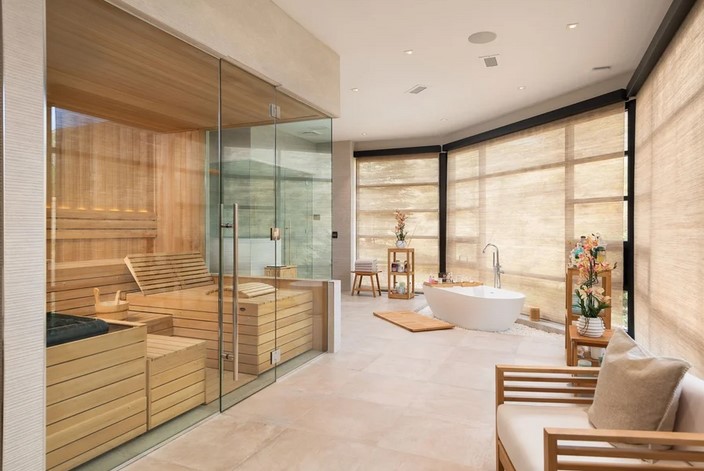
Source:https://www.finnleo.com
In today’s fast-paced world, creating a space for relaxation and rejuvenation at home has become more important than ever. A custom home sauna offers a private sanctuary where you can unwind, reduce stress, and improve your overall health—all from the comfort of your own home. Whether you’re looking to design a luxurious spa experience or a simple, serene retreat, custom home saunas provide the flexibility and personalization to meet your needs. In this article, we’ll explore the benefits of having a sauna at home, the different types of custom home saunas available, and the steps to designing the perfect sauna space for your home.
The Benefits of Custom Home Saunas
Adding a sauna to your home is more than just a luxurious indulgence—it offers a wide array of health benefits that can significantly improve your physical and mental well-being. A custom home sauna can be designed to suit your lifestyle, whether you are seeking relaxation, pain relief, or improved skin health.
1. Stress Relief and Relaxation
One of the most immediate and noticeable benefits of a sauna is the relaxation it provides. The heat in a sauna induces a state of relaxation by stimulating the release of endorphins—your body’s natural feel-good chemicals. This helps to relieve stress, promote mental clarity, and create an overall sense of well-being.
After a long, hectic day, stepping into a custom home sauna allows you to relax both physically and mentally. The soothing heat encourages muscle relaxation, while the quiet, private environment offers a perfect setting for mindfulness or meditation. Whether you are unwinding after work or simply seeking some quiet time, a sauna provides a peaceful escape.
2. Detoxification and Skin Health
Regular sauna use promotes detoxification by encouraging perspiration, which helps the body eliminate toxins through the skin. When you sweat in a sauna, your pores open up, and impurities are flushed out, leaving your skin feeling refreshed and rejuvenated. Over time, this can lead to healthier, more radiant skin by improving circulation and increasing collagen production.
For individuals with acne or other skin conditions, a custom home sauna can be an excellent addition to your skincare routine. The heat and sweat stimulate blood flow to the skin’s surface, helping to clear pores and reduce the appearance of blemishes.
3. Pain Relief and Muscle Recovery
If you suffer from chronic pain or sore muscles, saunas can offer significant relief. The heat from the sauna helps to improve blood circulation, which in turn accelerates the healing process of sore or stiff muscles. Whether you’re an athlete recovering from a workout or someone dealing with joint pain, the heat therapy of a sauna can ease tension and discomfort.
A custom home sauna allows you to take full advantage of this therapeutic effect whenever needed. Simply stepping into the sauna after a workout or after a long day of sitting at a desk can help relax muscles, reduce inflammation, and speed up recovery time.
Types of Custom Home Saunas
When considering a custom home sauna, there are several options to choose from. Each type has its own unique benefits, and the right choice will depend on your available space, preferences, and wellness goals. Here are the main types of home saunas:
1. Traditional Finnish Saunas
Traditional Finnish saunas are one of the most popular types of home saunas. These saunas use dry heat generated by a stove or heater, with temperatures often ranging from 150°F to 190°F (65°C to 87°C). The high heat helps to promote sweating, detoxification, and relaxation.
In a custom home sauna, you can select the materials and design that best suit your style. Most traditional saunas use wood, such as cedar, hemlock, or pine, to create a calming and natural environment. A Finnish sauna offers an authentic, time-honored sauna experience, perfect for those who enjoy the traditional heat therapy of a sauna.
2. Infrared Saunas
Infrared saunas are a modern alternative to traditional saunas, using infrared light to heat the body directly rather than warming the air. Infrared saunas operate at lower temperatures (typically between 120°F and 140°F or 49°C to 60°C) compared to traditional saunas, making them a comfortable option for individuals who find high-heat saunas too intense.
Infrared saunas are known for their ability to penetrate deeper into the skin, promoting muscle relaxation, enhanced detoxification, and improved circulation. The gentle heat is ideal for those with sensitive skin or for individuals who want a more mild sauna experience. Many custom home saunas are designed with infrared technology, allowing you to enjoy the benefits of the sauna without the extreme heat of traditional models.
3. Steam Saunas
Steam saunas, also known as steam rooms, are another popular choice for home use. Unlike traditional or infrared saunas, steam saunas use moisture-rich air to create a hot and humid environment. The temperature in a steam sauna typically ranges from 110°F to 120°F (43°C to 49°C), but the humidity is much higher, often reaching 100%.
The benefits of steam saunas include improved respiratory health, hydration for the skin, and relaxation. They can be especially soothing for individuals with respiratory conditions, such as asthma or allergies, as the steam helps open up airways and relieve congestion. If you’re looking for a sauna that promotes skin hydration and respiratory benefits, a steam sauna might be a great choice for your custom home sauna.
Designing Your Custom Home Sauna
Now that you’re familiar with the different types of saunas, it’s time to consider how to design the perfect custom home sauna for your space. The key to a successful sauna installation lies in thoughtful planning and customization to fit your specific needs.
1. Choose the Right Location
When designing your sauna, the first step is to select the right location in your home. Ideally, you’ll want to place your sauna in a quiet, private space where you can fully relax without distractions. Many people opt for a basement or a bathroom, but saunas can also be installed in larger closets, attics, or even in outdoor sheds or cabins.
Consider the size and layout of the space to ensure that the sauna fits comfortably. Keep in mind that saunas require proper ventilation and access to electrical outlets for heaters or infrared panels, so the location should be equipped with these necessities.
2. Select Materials and Finishes
Choosing the right materials is essential for creating an inviting and functional sauna environment. Wood is a popular material for sauna construction because it naturally absorbs moisture and helps regulate temperature. Cedar is a top choice due to its aromatic properties and resistance to mold, but other options like hemlock, pine, and redwood can also create a beautiful and durable sauna.
You can also customize the interior of your custom home sauna with different finishes, seating options, lighting, and accessories. LED lights, backrests, and custom shelving for towels or aromatherapy oils can elevate the sauna experience. If you’re opting for a steam sauna, consider adding a tiled interior for easy cleaning and a more luxurious feel.
3. Install High-Quality Sauna Equipment
The key to a truly effective sauna is the equipment inside. Choose high-quality sauna heaters or infrared panels, as these are the heart of the sauna experience. Make sure the equipment is properly sized for the space and meets your desired heat level.
For traditional saunas, ensure that the stove is capable of producing high temperatures and is equipped with adjustable controls for convenience. If you’re designing an infrared sauna, opt for energy-efficient infrared panels that provide deep heat for therapeutic benefits.
Investing in a custom home sauna allows you to create your own private retreat for relaxation, health, and rejuvenation. With various types of saunas to choose from, including traditional, infrared, and steam options, you can select the best design to suit your needs and preferences. A sauna not only enhances your wellness by offering stress relief, pain reduction, and skin health benefits, but it also adds a touch of luxury to your home. By carefully designing your sauna space, selecting the right materials, and incorporating high-quality equipment, you can enjoy the ultimate home spa experience every day. Whether you want to relax, recover, or detox, a custom home sauna is an investment in your health and well-being that will pay off for years to come.
Energy-Saving Dishwashers: Save Energy and Water in Your Kitchen
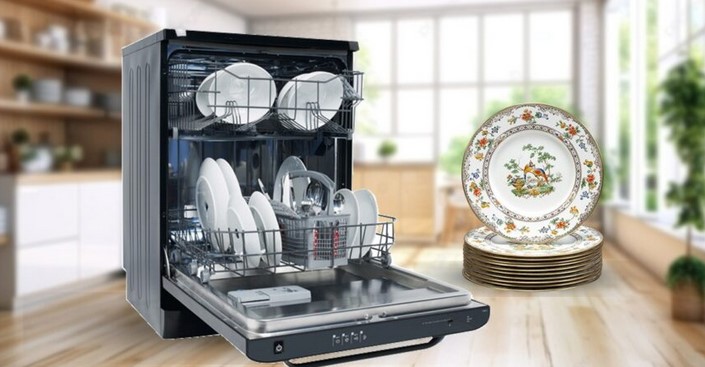
Source:https://www.plugnpoint.com
In today’s world, where sustainability and resource conservation are becoming increasingly important, many homeowners are looking for ways to reduce their energy consumption and lower utility bills. One of the easiest and most effective upgrades you can make to your kitchen is investing in energy-saving dishwashers. These modern appliances are designed not only to clean your dishes more efficiently but also to use less water and energy, helping you cut down on both environmental impact and household costs. In this article, we’ll explore the features and benefits of energy-saving dishwashers, how they contribute to sustainability, and provide tips on how to maximize their efficiency in your home.
The Advantages of Energy-Saving Dishwashers
When it comes to upgrading to an energy-saving dishwasher, there are several clear advantages that make them an appealing option for homeowners who want to save on their energy and water consumption. These advanced dishwashers are engineered to deliver excellent performance while consuming fewer resources.
1. Reduced Energy Consumption
One of the main benefits of energy-saving dishwashers is their ability to reduce energy usage. Traditional dishwashers can consume a considerable amount of electricity, particularly during heated drying cycles, which use a significant amount of power. Energy-saving models, on the other hand, are built with more efficient heating elements and sensors that adjust water temperature and washing cycles based on the load size and soil level of the dishes.
For instance, newer models are often equipped with smart features that allow the dishwasher to calculate the optimal wash time and water temperature, ensuring that energy isn’t wasted on excessive washing or drying. Many energy-saving dishwashers also come with an “eco” or “energy-saving” mode that uses lower temperatures and shorter cycles to conserve power, yet still delivers effective cleaning results. These adjustments make a noticeable difference in your energy bill, especially over time.
2. Water Conservation
Water usage is another area where energy-saving dishwashers excel. Traditional dishwashers tend to use more water, often over 10 gallons per cycle, to clean a load of dishes. On the other hand, modern energy-efficient dishwashers use less water by utilizing advanced spray technology and optimizing water distribution, reducing consumption by as much as 30-50% per load.
For households aiming to reduce water waste, these dishwashers can significantly cut down on water usage without compromising on performance. The eco-friendly models often feature soil sensors that adjust water pressure based on the level of dirt on the dishes, which helps minimize water waste during the rinse and wash cycles. This is particularly beneficial in areas with water restrictions or those aiming for more sustainable living practices.
3. Lower Utility Bills
While the upfront cost of an energy-saving dishwasher may be higher than that of a conventional model, the long-term savings in both water and electricity bills are substantial. In fact, the U.S. Department of Energy estimates that modern dishwashers use about half the energy and a third of the water of older models. By using less energy and water, these dishwashers can quickly pay for themselves over time, making them a smart investment for any homeowner looking to reduce their overall utility expenses.
Beyond utility savings, many energy-efficient dishwashers qualify for rebates or tax credits from government programs that incentivize energy-efficient appliances. Additionally, many manufacturers offer longer warranties for energy-saving dishwashers, giving homeowners added peace of mind.
Key Features to Look for in Energy-Saving Dishwashers
When shopping for an energy-saving dishwasher, there are a few key features you should consider to ensure you’re choosing the most efficient and effective model for your needs. These features can help you get the most out of your appliance, both in terms of cleaning performance and energy savings.
1. Energy Star Certification
The first feature to look for in any energy-efficient appliance is the Energy Star certification. This is a symbol that indicates the dishwasher meets strict energy efficiency guidelines set by the U.S. Environmental Protection Agency (EPA). Energy Star-rated dishwashers typically use 10-20% less energy than standard models, and they are also designed to be more water-efficient.
An Energy Star-certified dishwasher not only saves you money on energy costs, but it also helps reduce the overall environmental impact of your home by lowering your carbon footprint. In addition, Energy Star-rated dishwashers are tested to ensure they still provide excellent cleaning performance while consuming fewer resources.
2. Soil Sensors and Adjustable Wash Cycles
Many energy-saving dishwashers are equipped with advanced soil sensors that detect the level of dirt on your dishes and automatically adjust the wash cycle for optimal cleaning. This means the dishwasher uses just the right amount of water and energy needed for each load, avoiding excess use of both.
Adjustable wash cycles are another important feature. Look for dishwashers with a variety of settings, such as “eco,” “heavy-duty,” or “quick wash” modes. These settings allow you to select the appropriate cycle based on the load size and the amount of dirt on your dishes, ensuring that energy and water are not wasted.
3. Inverter Technology and Heat Pump Drying
Some high-end energy-saving dishwashers are equipped with inverter technology, which allows for more efficient and variable-speed motors. This reduces the energy required to operate the dishwasher, as the motor runs only as fast as needed to clean the dishes. This type of motor is quieter and more durable, meaning your dishwasher will last longer and operate more efficiently over time.
Additionally, look for dishwashers with heat pump drying. Heat pump dryers use less energy to dry dishes by gently heating the air inside the dishwasher. This process is more energy-efficient compared to traditional drying methods, which rely on heating elements that consume large amounts of electricity.
4. Quiet Operation
Energy-saving dishwashers are typically quieter than older models, thanks to better insulation, more efficient motors, and advanced spray systems. Quiet operation is especially important if you have an open kitchen or tend to run your dishwasher during the night. Many energy-efficient dishwashers operate at decibel levels as low as 40-45 dB, which is comparable to the sound of a quiet conversation.
A quieter dishwasher contributes to a more comfortable and peaceful home environment, while also ensuring that your energy-efficient model is not just saving energy, but also enhancing your overall kitchen experience.
Tips for Maximizing the Efficiency of Your Energy-Saving Dishwasher
To ensure that your energy-saving dishwasher operates at its full potential and delivers the best performance, it’s important to use it correctly and maintain it regularly. Here are a few tips to help you get the most out of your appliance:
- Run full loads: Always run your dishwasher with a full load to maximize its energy and water efficiency. Avoid running the dishwasher when it’s only partially full, as this will waste energy.
- Use the eco mode: If your dishwasher has an energy-saving or eco mode, be sure to use it for regular loads. These settings use lower temperatures and shorter cycles to reduce energy usage.
- Clean the filters regularly: Maintaining your dishwasher’s filters will ensure that it runs efficiently. Clean the filters every few weeks to prevent food particles from clogging the system.
- Avoid pre-rinsing: Modern dishwashers are designed to clean dishes without the need for pre-rinsing. Simply scrape off food scraps before loading the dishwasher to save water and energy.
Energy-saving dishwashers are a smart choice for homeowners looking to reduce both their environmental footprint and household expenses. By consuming less energy and water, these advanced appliances help you save money on utility bills while ensuring that your dishes are cleaned effectively. Whether you’re updating an old model or outfitting a new kitchen, investing in an energy-efficient dishwasher is an easy way to make a significant impact on your overall sustainability efforts. With features like Energy Star certification, soil sensors, and heat pump drying, modern dishwashers provide the perfect balance of performance and efficiency, making them a valuable addition to any home.
DIY Trellis Structures: Enhance Your Garden with Vertical Gardens

Source:https://www.thepaintedhinge.com
Vertical gardening has become one of the most popular trends in modern landscaping, especially for those looking to maximize limited space. If you’re trying to add more greenery to a small backyard or elevate the aesthetic of your outdoor area, DIY trellis structures are an excellent way to introduce vertical elements that are both functional and beautiful. These structures can support climbing plants, vines, and flowers, turning any garden into a lush, green oasis. In this article, we’ll explore the benefits of building your own trellis structures, provide step-by-step guidance on how to create them, and suggest ways to incorporate them into your garden design. Whether you’re a seasoned gardener or a beginner, DIY trellis structures can add a unique and personal touch to your landscape.
The Benefits of DIY Trellis Structures in Your Garden
Creating your own DIY trellis structures offers numerous advantages, both in terms of aesthetics and practicality. Not only do trellises make great plant supports, but they can also serve as attractive focal points in the garden, adding height, dimension, and visual interest.
1. Maximizing Space
One of the most significant advantages of vertical gardens is that they help you make the most of limited space. Many plants, especially climbing vegetables like peas, cucumbers, or tomatoes, or flowering vines such as clematis and morning glories, naturally grow upwards. With a DIY trellis structure, you can give these plants the support they need while freeing up valuable ground space for other plants. This is especially useful in smaller gardens, urban spaces, or patios, where space for traditional garden beds is limited.
A vertical garden also allows you to create layers of greenery. Instead of having all plants spread horizontally, you can stack them in tiers, with trellises allowing different plant types to grow vertically. This helps to optimize sunlight exposure and air circulation for each plant, contributing to healthier growth and more abundant harvests.
2. Aesthetic Appeal
DIY trellis structures can also significantly enhance the overall aesthetics of your garden. They act as living sculptures, providing structure and focal points that elevate the beauty of your space. When covered in climbing plants and flowers, a trellis can transform a simple garden into an enchanting space. Imagine walking through your garden with vibrant flowers cascading from trellises, or a fragrant vine wrapping around the structure, creating a delightful sensory experience.
The variety of materials and designs available for trellises means you can customize them to suit any garden style. Whether you prefer a rustic, wood-paneled design or a sleek, metal contemporary structure, DIY trellises can be tailored to match your personal style and the overall aesthetic of your garden.
3. Plant Health and Growth
Trellises do more than just provide a climbing surface—they can also improve the health of your plants. By elevating vines and climbing plants off the ground, DIY trellis structures help reduce the risk of disease and pest infestations, as plants are less likely to come into contact with the soil. The improved air circulation around the plants can also reduce fungal infections and promote healthier growth.
Additionally, trellises can prevent plants from sprawling or becoming too tangled, which can hinder their ability to absorb sunlight and water. Climbing plants that are properly supported by a trellis tend to grow more vigorously, and their fruits or flowers are easier to harvest or enjoy.
Building Your Own DIY Trellis Structure
Now that we’ve explored the benefits of adding DIY trellis structures to your garden, let’s dive into how you can build your own. Whether you’re an experienced DIY enthusiast or just starting, creating a trellis is a simple and rewarding project.
1. Choose the Right Materials
The first step in building your own trellis is selecting the right materials. The most common materials for trellises include:
- Wood: Wood is a classic option that blends well with most garden styles. Pressure-treated lumber, cedar, or redwood are durable options that can withstand outdoor conditions. Wood is easy to work with, making it a good choice for beginners.
- Metal: If you prefer a more industrial or contemporary look, metal trellises are an excellent choice. Wrought iron, steel, and galvanized metal provide a sturdy frame that can support heavy vines and plants.
- PVC: For a more lightweight option, PVC pipe is affordable, easy to handle, and resistant to weathering. It can be painted to match your garden’s theme and is perfect for small or temporary trellis structures.
- Bamboo: Bamboo is a sustainable, lightweight option that adds a natural, tropical feel to your garden. It is also strong and flexible, making it ideal for trellis projects.
The choice of material will depend on your garden’s aesthetic, the plants you plan to grow, and how long you expect the trellis to last.
2. Design Your Trellis
Before you start constructing, think about the design of your trellis. The most common types of trellises include:
- A-Frame: This design resembles a triangle and is perfect for supporting vines that need to grow upward. The A-frame trellis is ideal for plants that require a sturdy structure, such as tomatoes or cucumbers.
- Ladder or Screen Trellis: A ladder-style trellis consists of horizontal rungs attached to two vertical supports. It’s great for small spaces and can support climbing plants like peas, beans, or morning glories.
- Arch Trellis: A beautifully curved arch trellis can serve as a dramatic focal point in your garden. It’s often used at entrances or to create a pathway for plants like roses or climbing vines to cascade down.
- Flat Panel Trellis: This trellis style is a simple, flat design that can be attached to walls, fences, or existing garden structures. It’s ideal for covering large areas with vines and can serve as a green screen or privacy barrier.
Consider the amount of space available, the types of plants you intend to grow, and how the trellis will fit into the overall design of your garden when choosing the type of structure to build.
3. Step-by-Step Construction
Once you’ve selected your materials and design, it’s time to start building. Below is a basic step-by-step guide for constructing a simple wooden A-frame trellis:
- Materials Needed: Two 6-foot wooden posts, four 4-foot horizontal wooden slats, screws, a drill, a saw, measuring tape, and a level.
- Step 1: Cut the two vertical posts to your desired height (usually around 6 feet). Cut the horizontal slats to the width of your design (typically 4 feet).
- Step 2: Attach two slats to the vertical posts using screws to create a sturdy base. Make sure the slats are evenly spaced and perpendicular to the posts.
- Step 3: Use the remaining two slats to create the top section of the A-frame. Position these slats across the vertical posts, forming the top of the triangle.
- Step 4: Secure all the joints with screws, ensuring the structure is stable.
- Step 5: Place the trellis in the desired location in your garden and anchor it to the ground if necessary.
You can then train your climbing plants to grow up the structure by gently guiding their stems towards the trellis and securing them with soft ties as they grow.
DIY trellis structures are a fantastic way to enhance your garden with vertical gardening solutions. Whether you’re looking to save space, add a touch of elegance, or improve plant health, building your own trellis can provide a functional and aesthetically pleasing solution. With the right materials, design, and a bit of effort, you can create a trellis that not only supports your climbing plants but also adds beauty and structure to your outdoor space. By incorporating DIY trellis structures into your garden, you can enjoy the benefits of vertical gardening and transform even the smallest of spaces into a lush, green paradise.
Compact Storage Coffee Tables: Stylish and Practical Living Room Solutions
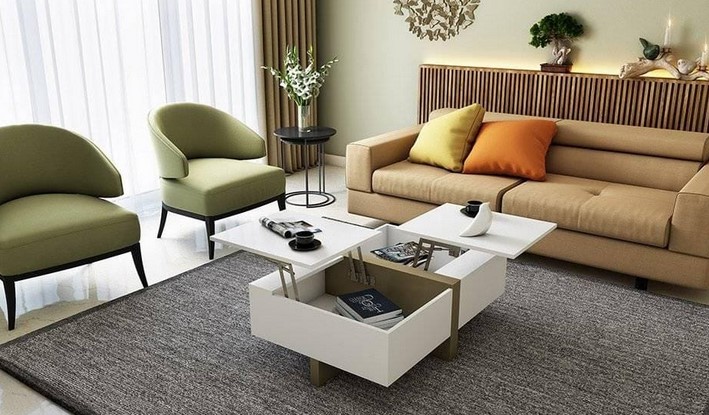
Source:https://media.designcafe.com
In the modern world of interior design, where both style and functionality are valued, compact storage coffee tables have become a staple in many living rooms. These versatile pieces of furniture offer more than just a surface for placing drinks or décor—they provide a clever storage solution for keeping the living area organized without sacrificing style. Whether you live in a small apartment or a spacious home, compact storage coffee tables can help you maximize your space while adding to the aesthetic of the room. In this article, we’ll explore the benefits of these multifunctional pieces, discuss key features to look for when choosing one, and share ideas for how to incorporate them into your home.
The Benefits of Compact Storage Coffee Tables
When it comes to furniture in the living room, the coffee table often serves as the centerpiece. However, traditional coffee tables are limited in their functionality—they offer little to no storage space and can quickly become cluttered with everyday items like remote controls, magazines, or even toys. Compact storage coffee tables solve this problem by offering hidden compartments, drawers, or lift-up tops that help organize and store items out of sight, keeping the room neat and tidy.
1. Space-Saving Design
The primary benefit of compact storage coffee tables is their ability to maximize limited space, making them ideal for small living rooms or apartments. Instead of using up valuable floor space with multiple storage units, a compact coffee table provides a centralized location to store everything from books to blankets without taking up additional space.
Some models feature a lift-top that reveals hidden storage compartments beneath the surface, which can be used for stowing away remote controls, chargers, or other small items. Others may include drawers or shelving, which makes them perfect for storing larger items like magazines, throw pillows, or even extra cushions. This integrated storage functionality allows homeowners to keep their living areas clutter-free, enhancing both the look and feel of the space.
2. Enhanced Organization
A compact storage coffee table doesn’t just provide space to hide things; it helps create an organized living room. Many of these tables come with multiple compartments or drawers, allowing for easy categorization of items. For instance, one drawer can be designated for media accessories such as remote controls, while another can hold kids’ toys, board games, or pet supplies. Some models even feature built-in trays or small baskets that can be used to keep everyday items like keys or phones in one place, making them easy to find when needed.
The added storage helps streamline the space and removes the need for cluttered side tables, baskets, or additional storage units. This is especially important in homes where the living room is the central area for socializing and entertainment—having a clutter-free surface ensures that the room remains visually appealing and organized, even in the midst of daily life.
3. Versatility in Style and Function
Compact storage coffee tables come in a wide variety of styles, materials, and finishes, making them suitable for almost any décor theme. From sleek modern designs to rustic, farmhouse-inspired tables, there is a storage coffee table to complement any living room aesthetic. The added benefit of these tables is that they don’t just look functional—they can serve as a focal point in the room.
For example, a chic, glass-topped storage table with metallic legs can elevate a contemporary living room, while a wooden table with vintage-style drawers may fit perfectly into a traditional or farmhouse-style space. Some tables even incorporate multifunctional features such as built-in stools or ottomans, allowing them to double as extra seating for guests.
Additionally, compact storage coffee tables are not limited to just coffee tables—they can also serve as footrests, additional work surfaces, or even side tables when placed next to a sofa. Their flexibility makes them ideal for families with diverse needs, where the living room is used for watching TV, hosting guests, or playing games.
Key Features to Look for in Compact Storage Coffee Tables
When shopping for a compact storage coffee table, there are several important features to consider that will ensure you choose the best option for your living space and needs.
1. Storage Capacity
The amount of storage space is one of the most crucial factors when selecting a compact storage coffee table. Depending on your needs, you may want a table with multiple drawers, a lift-top with hidden compartments, or an open shelving design. If you have more items to store, look for tables with larger or deeper storage areas. Conversely, if you’re looking for a more minimalist design, a table with just one or two drawers might be sufficient.
Additionally, consider how easy it is to access the storage. Lift-top tables, for example, offer the benefit of keeping items out of sight while still allowing you to access them easily when needed. Tables with open shelving might be more suitable for decor or items you use frequently, while closed storage is better for things that need to be kept out of sight.
2. Material and Durability
The material of your compact storage coffee table will play a significant role in both its longevity and its appearance. Wood is a classic choice for storage tables, offering durability and warmth, but it can also be heavier than other materials. For a more modern or industrial look, metal frames with wood or glass tops can add a contemporary edge while still offering functionality. Glass-topped tables provide an airy, sleek look, but they might require more frequent cleaning.
Consider the wear and tear that your coffee table will experience. If you have young children or pets, a durable wood or sturdy metal table may be more resilient to scratches, spills, and rough use. On the other hand, if the table will be more of a decorative piece in a low-traffic area, lighter materials such as MDF or particleboard might be sufficient.
3. Design and Aesthetic
When selecting a compact storage coffee table, it’s essential to choose one that complements the overall design of your living room. For instance, if your living room is modern, a minimalist coffee table with clean lines and subtle storage features may be a good fit. For a more traditional setting, opt for a coffee table that incorporates rich wood tones and classic design elements, such as carved legs or detailed hardware.
The finish of the table also plays an important role in its appearance. Darker finishes such as walnut or mahogany work well in formal, classic settings, while lighter finishes like oak or ash can brighten up a room and provide a more relaxed, casual feel. Neutral colors such as black, white, or gray can easily blend into any style, while bold colors or patterns can create a statement piece in the room.
How to Incorporate Compact Storage Coffee Tables into Your Living Room
Once you’ve chosen the perfect compact storage coffee table, it’s time to think about how to incorporate it into your living room. Here are a few tips for making the most of this versatile piece of furniture:
- Place it at the Center: As a focal point of the living room, the coffee table should be positioned in the center of the seating area. This ensures that it’s functional and accessible, providing easy access for everyone to use.
- Use the Storage Wisely: Be strategic with what you store inside the table. Keep items that you use often (like remotes or chargers) in the easy-to-reach compartments, while stowing away seasonal items or larger objects (like extra blankets or cushions) in deeper or less accessible areas.
- Add Decorative Touches: While the storage function of the coffee table is important, don’t forget about its role in your room’s décor. Add decorative elements like a vase, tray, or stack of books to make the table feel both functional and stylish.
- Mix with Other Furniture: Pair the coffee table with complementary furniture, such as a matching side table or ottoman, to create a cohesive and inviting space.
Compact storage coffee tables are a fantastic solution for anyone looking to enhance the functionality and style of their living room. By combining storage with aesthetic appeal, these tables allow you to keep your space organized while adding a design element that ties the room together. Whether you’re looking for a way to store extra blankets, toys, or media accessories, a well-chosen coffee table can serve as both a practical and stylish addition to your home. With their versatility in design and storage capacity, compact storage coffee tables prove that even the most practical furniture pieces can enhance the beauty and organization of your living space.
Past & Present: City Cultural Museums Around the World

Source:https://rovology.com
City cultural museums are some of the most fascinating spaces where history, art, and local identity converge to tell the story of a place. These institutions offer invaluable insights into the past, present, and future of urban life, providing visitors with the chance to experience the culture of a city through its most iconic exhibits. From ancient civilizations to modern art movements, these museums preserve and showcase the essence of a city’s heritage, while also reflecting its ongoing evolution. In this article, we’ll explore the significance of city cultural museums around the world, delve into some iconic institutions, and discuss how these museums connect visitors to the heart of a city’s cultural life.
The Importance of City Cultural Museums
City cultural museums serve as vital hubs of historical and artistic expression. They offer a window into a city’s past, allowing both locals and tourists to learn about its origins, growth, and transformation over time. These museums are more than just repositories for objects; they are spaces where stories are told, cultures are celebrated, and identities are preserved. In the context of rapidly changing urban landscapes, city museums play an essential role in grounding people in their historical roots while also fostering an understanding of modern developments.
City cultural museums are also critical in the age of globalization, as they act as stewards of local culture, protecting unique traditions, art forms, and artifacts from being lost in a world increasingly influenced by external forces. By providing context for these cultural elements, museums contribute to a sense of pride among residents and an appreciation for the diversity of human expression among visitors. The role of these museums in shaping how people perceive a city’s cultural identity is integral to fostering a deeper understanding of its role in the larger world.
1. Bridging the Gap Between Past and Present
One of the most compelling aspects of city cultural museums is their ability to bridge the gap between the past and the present. These institutions often curate exhibits that highlight the historical milestones of a city, showing how its culture has evolved from ancient times to the present day. Museums like the Louvre in Paris or the British Museum in London, for instance, house artifacts that date back thousands of years, while also showcasing contemporary art and cultural developments. This juxtaposition of old and new allows visitors to witness how cities grow and change over time, while also providing a space for reflection on the importance of preserving cultural heritage.
City museums also often serve as platforms for current social and political discussions. For example, museums in post-apartheid South Africa, such as the Apartheid Museum in Johannesburg, play a significant role in educating visitors about the country’s recent history and its journey toward reconciliation. By contextualizing these topics through exhibits, photographs, and artifacts, museums become places of dialogue, where contemporary issues can be understood in light of historical events.
2. Celebrating Local Identity and Art Forms
Many city cultural museums focus on showcasing local artists, traditions, and folklore, providing an intimate look at the unique cultural identity of a city or region. These museums are a treasure trove for those seeking to understand the distinctive art, music, fashion, and culinary traditions of a place. The Musée d’Orsay in Paris, for example, highlights the works of Impressionist artists, showcasing the city’s pivotal role in the art world. Similarly, the Museum of Contemporary Art in Tokyo celebrates Japan’s evolving art scene, from traditional calligraphy to modern avant-garde movements.
Through these museums, visitors gain insight into the creative forces that have shaped the identity of a city and its people. They provide opportunities to experience the city’s artistic innovations firsthand and help maintain cultural practices that may otherwise be lost to time. Furthermore, many museums also support local artists by providing them with a platform to showcase their works, further contributing to the ongoing cultural dialogue.
3. Economic and Social Impact on Urban Communities
Beyond their cultural value, city cultural museums also have a profound impact on the social and economic life of a city. These institutions are often major tourist attractions, drawing visitors from all over the world, which can boost local economies through increased tourism. Museums can also serve as gathering places for the community, offering educational programs, workshops, and events that engage locals and foster a sense of unity.
For example, the Museum of Modern Art (MoMA) in New York City not only attracts art lovers but also offers free community programs, artist talks, and film screenings, helping to engage a diverse audience. The presence of such museums can turn a neighborhood into a cultural hub, drawing creative professionals, entrepreneurs, and tourists alike. By investing in cultural museums, cities can revitalize neighborhoods, promote local talent, and create spaces where diverse populations can come together.
Iconic City Cultural Museums Around the World
There are countless museums across the globe that offer rich cultural experiences. Here are a few that stand out for their incredible collections, educational value, and the way they reflect the spirit of their respective cities:
1. The Louvre Museum – Paris, France
The Louvre, located in the heart of Paris, is one of the world’s most renowned city cultural museums. Known for its vast collection of art, artifacts, and historical objects, the Louvre spans over 9,000 years of history. Visitors can view works of art from ancient Egypt, Greece, and Rome, as well as iconic masterpieces like Leonardo da Vinci’s Mona Lisa. The museum’s diverse collection tells the story of human civilization, making it an essential stop for anyone visiting Paris.
What sets the Louvre apart is not only its impressive collection but also its symbolic role in representing the cultural legacy of France. It is a reflection of France’s commitment to preserving its history while also embracing modernity, as evidenced by the glass pyramid entrance designed by architect I. M. Pei, which blends classical architecture with contemporary design.
2. The National Museum of Anthropology – Mexico City, Mexico
Mexico City’s National Museum of Anthropology is one of the most important cultural institutions in Latin America. With its focus on pre-Columbian civilizations, the museum houses an extensive collection of artifacts from ancient Mexican cultures, including the Aztecs, Maya, Olmec, and Zapotecs. The museum’s most famous exhibit is the massive Aztec Sun Stone, a stunning example of the civilization’s intricate artistry and knowledge of astronomy.
In addition to its historical exhibits, the museum also plays a vital role in preserving the cultural heritage of Mexico. It offers a deeper understanding of Mexico’s indigenous roots while also celebrating the country’s rich cultural diversity. The museum’s location in Chapultepec Park, one of the largest urban parks in the world, adds to its significance as a cultural anchor for the city.
3. The Cairo Museum – Cairo, Egypt
Egypt’s Cairo Museum is a must-visit for anyone interested in ancient history. With one of the most extensive collections of ancient Egyptian artifacts, the museum showcases treasures from the tomb of Tutankhamun, monumental statues, mummies, and everyday items used by the ancient Egyptians. The museum’s exhibits offer a glimpse into one of the oldest and most influential civilizations in human history, making it an essential part of Cairo’s cultural landscape.
The Cairo Museum also represents Egypt’s efforts to preserve its heritage amid the pressures of modern development. Despite plans for a new Grand Egyptian Museum, the original Cairo Museum remains a testament to the country’s enduring connection to its ancient past.
4. The Egyptian Museum – Berlin, Germany
The Egyptian Museum in Berlin is home to one of the most significant collections of ancient Egyptian artifacts outside of Egypt itself. The museum’s iconic exhibits include the Bust of Nefertiti, a masterpiece of ancient art that has become a symbol of the museum’s unparalleled collection. The museum offers insight into the ancient Egyptian civilization, with displays on architecture, daily life, religion, and art.
This museum also reflects Berlin’s broader role as a cultural hub in Europe, offering a space for dialogue about history, art, and the ways in which cultures interact and influence one another. Its collections, many of which were acquired through colonial expeditions, also prompt important conversations about the repatriation of cultural artifacts.
In conclusion, city cultural museums are essential spaces for preserving and celebrating the diverse histories, cultures, and artistic achievements of the world’s cities. These institutions provide a deeper understanding of how cities evolve, showcasing both their historical roots and modern-day transformations. From the Louvre in Paris to the National Museum of Anthropology in Mexico City, each museum offers a unique window into the culture and identity of its city. As we continue to explore these cultural treasures, it’s important to recognize their role in shaping the narratives that define our shared human experience. Whether you’re visiting a world-renowned institution or a local gem, the experience of walking through these museums is one of discovery, education, and connection to the past and present of the world’s greatest cities.