


Hydrating Face Masks: A Skin Care Game-Changer
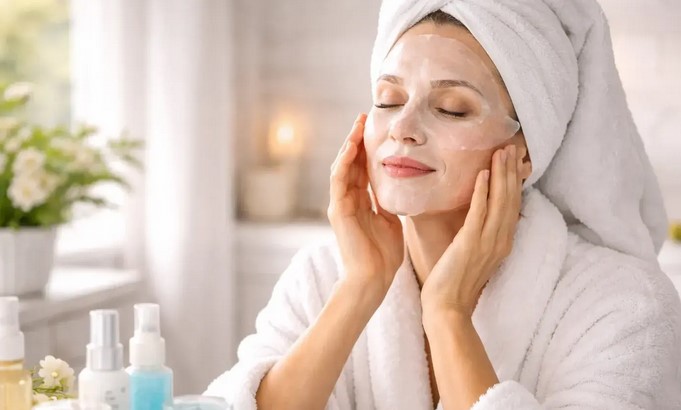
Source:https://smytten.com
You wake up, look in the mirror, and see a complexion that looks like a crumpled paper bag. Your foundation is “pilling,” your fine lines look like deep canyons, and no matter how much water you drink, your skin feels three sizes too small for your face. If this sounds familiar, you aren’t dealing with a lack of “expensive creams”—you are dealing with a compromised moisture barrier.
In my ten years of clinical observation and health writing, I’ve seen thousands of people mistake dehydrated skin for aging skin. They spend a fortune on aggressive “anti-aging” serums that actually strip the skin further, making the problem worse. The truth? Sometimes, your skin just needs a long, cool drink of water.
This is where hydrating face masks step in. They aren’t just a “self-care” luxury for Sunday nights; they are a concentrated delivery system that can fundamentally reset your skin’s health in fifteen minutes.
The Dried Sponge Analogy: Understanding Skin Thirst
Think of your skin like a kitchen sponge. When a sponge is bone-dry, it’s hard, shriveled, and brittle. If you pour a tiny drop of water on it, the water just sits on top or runs off. But if you soak that sponge in a bowl of water, it becomes plump, flexible, and soft again.
Your skin works the same way. A daily moisturizer is like that tiny drop of water—it helps, but it’s often not enough to penetrate the deeper layers. Hydrating face masks are the “soaking bowl.” They create an occlusive seal that forces moisture into the skin, replenishing the reservoir that your daily routine might be missing.
Why Your Daily Moisturizer Isn’t Enough
I often get asked, “I use a lotion every morning, why do I need a mask?” The answer lies in the concentration of actives and the delivery mechanism.
Daily moisturizers are designed to protect you from the environment (pollution, wind, AC). They are “shields.” Hydrating face masks, however, are “infusions.” They stay on the skin longer and use high-molecular-weight ingredients that hold water to the surface while driving smaller molecules deeper into the epidermis.
The Technical Heroes: Ingredients to Look For
To move from a skincare beginner to an intermediate enthusiast, you need to understand the “Big Three” categories of ingredients found in high-quality hydrating face masks.
1. Humectants (The Water Magnets)
These ingredients grab water molecules from the air or the deeper layers of your skin and hold them in place.
-
Hyaluronic Acid (HA): A superstar that can hold 1,000 times its weight in water.
-
Glycerin: An old-school but incredibly effective humectant that strengthens the skin barrier.
-
Panthenol (Pro-vitamin B5): It hydrates while acting as an anti-inflammatory.
2. Emollients (The Softeners)
These fill in the “gaps” between your skin cells, making the surface feel silky.
-
Squalane: Mimics your skin’s natural oils without clogging pores.
-
Ceramides: Think of these as the “mortar” between your skin-cell “bricks.”
3. Occlusives (The Sealants)
These form a physical barrier to prevent Transepidermal Water Loss (TEWL).
-
Shea Butter: Rich in fatty acids.
-
Beeswax or Jojoba Oil: Perfect for locking in all that goodness you just applied.
Choosing the Right Format for Your Skin Type
Not all hydrating face masks are created equal. In my years of testing products, I’ve found that the medium is just as important as the message.
-
-
Sheet Masks: Best for an instant “glow” before an event. They use a physical barrier (the sheet) to prevent evaporation.
-
Overnight (Sleeping) Masks: These are heavy hitters. They work with your body’s natural nighttime repair cycle.
-
Wash-off Gel Masks: Ideal for oily or acne-prone skin that needs hydration without the “heavy” feeling of oils.
-
Expert Advice: The “Damp Skin” Secret
Tips Pro: Never Apply to Dry Skin
One of the biggest mistakes I see people make is applying a mask to bone-dry skin. If you apply a product rich in Hyaluronic Acid to dry skin in a dry room, it can actually pull moisture out of your skin.
Insight: Always apply your hydrating face masks to slightly damp skin. Use a face mist or simply don’t towel-off completely after cleansing. This provides the “source water” for the humectants to grab onto and push into your pores.
Peringatan Tersembunyi: Beware of “Fragrance Fatigue”
Many “luxury” masks are loaded with synthetic fragrances and essential oils like lavender or citrus to make the experience feel like a spa. However, if your skin barrier is already compromised (red, itchy, or stinging), these fragrances can act as irritants.
If you are using a mask because your skin feels “angry,” stick to fragrance-free and alcohol-free formulas. You want to soothe the fire, not add fuel to it.
The Technical Vocabulary of Hydration
If you want to read labels like a pro, familiarize yourself with these LSI Keywords:
-
Transepidermal Water Loss (TEWL): The process where water evaporates from the skin into the atmosphere.
-
Non-Comedogenic: A product formulated specifically not to block pores.
-
Microbiome: The community of “good bacteria” living on your skin that keeps it healthy.
-
NMF (Natural Moisturizing Factors): Elements naturally present in the skin that keep the outer layer hydrated.
-
Bio-cellulose: A high-end sheet mask material that fits like a “second skin” for better absorption.
How to Build a Masking Routine That Works
To see real results, you shouldn’t just mask when you remember it once a month. Sustainability is key.
-
Double Cleanse: Remove the day’s “grime” so the mask can actually touch your skin.
-
Exfoliate Gently: If you have a layer of dead skin cells on top, your mask is just hydrating “dust.” Use a mild PHA or Lactic Acid once a week before masking.
-
Apply the Mask: Leave it on for the directed time (usually 15-20 minutes).
-
Seal It In: This is the most important step. After removing the mask, immediately apply an oil or a thick cream to “lock the door” and keep that hydration inside.
Checklist for Buying Hydrating Face Masks
-
[ ] Fragrance-free? (Important for sensitive skin).
-
[ ] Contains Hyaluronic Acid or Glycerin? (The hydration heavy-lifters).
-
[ ] Alcohol-free? (Avoid “Denatured Alcohol” which dries skin out).
-
[ ] Appropriate for your skin type? (Gel for oily, Cream for dry).
Conclusion: A Drink of Water for Your Soul and Skin
Mastering the use of hydrating face masks isn’t just about vanity; it’s about health. Your skin is your body’s largest organ and its first line of defense. When it’s hydrated, it functions better, heals faster, and protects you more effectively.
In my decade of writing about health, I’ve found that the simplest interventions are often the most profound. You don’t need a 10-step routine; you need a few high-quality products used correctly. A good hydrating mask can be the difference between skin that feels “tolerable” and skin that feels “alive.”
When was the last time you truly assessed your skin’s thirst level? Do you notice your skin getting tighter during season changes or after a long flight? Let’s talk about your favorite hydration hacks in the comments below!