


Category Archives: Home Improvement
Architectural Value Addition: Elevating Assets with Wainscoting Dining Room Design
 You have curated the perfect mid-century modern dining table, hung a stunning statement chandelier, and laid down a luxurious rug. Yet, when you step back to look at the room, it still feels incomplete—like a high-end tuxedo paired with worn-out canvas sneakers. The walls feel flat, cold, and entirely devoid of character.
In my ten years of flipping houses and remodeling residential spaces, I have noticed that the dining room is the hardest space to make feel “expensive.” It is a room dominated by furniture legs and vast expanses of blank drywall.
When clients ask me how to bridge the gap between ordinary and upscale without breaking the bank, my answer is always the same: permanent architectural character. Transforming a plain wall into a layered masterpiece using a thoughtful wainscoting dining room design is the ultimate secret weapon for adding immediate appraisal value to your property.
The Anatomy of Wall Trim: Breaking Down the Styles
Before you head to the local timber yard, it is vital to understand that wainscoting isn’t a one-size-fits-all solution. Historically used in 18th-century homes to shield plaster walls from dampness and scuffing chairs, modern millwork is all about scale, shadow lines, and texture.
Think of wainscoting like a well-tailored suit for your room. If the proportions are off, the entire space looks awkward. Here are the primary styles you will encounter when planning your layout:
+-----------------------------------------------------------------+
|                  POPULAR WAINSCOTING VARIATIONS                 |
+-----------------------------------------------------------------+
| 1. Raised Panel:   [ Classic / Traditional / Heavy Beveling ]   |
| 2. Flat Panel:     [ Shaker Style / Clean Lines / Craftsman ]   |
| 3. Beadboard:      [ Country Cottage / Vertical Grooves ]       |
| 4. Picture Frame:  [ Applied Molding / Elegant / Low Profile ]  |
+-----------------------------------------------------------------+
Traditional Raised Panel vs. Modern Shaker Flat Panel
Raised paneling involves a central wood panel that is bevelled so its surface sits flush with or slightly proud of the surrounding frames (stiles and rails). This is your go-to option for formal, historic elegance.
Conversely, Shaker-style flat paneling utilizes completely recessed center panels. This creates clean, sharp 90-degree shadow lines that fit beautifully into transitional, modern farmhouse, or contemporary minimalist dining spaces.
The Rule of Thirds: Getting the Proportions Right
The most common mistake I see intermediate DIYers make is choosing an arbitrary height for their millwork. A wall that is cut exactly in half creates a jarring visual line that makes your ceilings feel lower than they actually are.
To explain this to my apprentices, I use the Three-Box Analogy. Imagine your wall is divided vertically into three equal boxes. Your wainscoting dining room installation should ideally occupy the bottom box, leaving the top two boxes for paint, artwork, or wallpaper.
   THE GOLDEN RATIO WALL SPECIFICATION

   =================================== [ Ceiling Line ]
   │                                 │
   │       PAINT OR WALLPAPER        │ <- Upper 2/3 (Visual Air)
   │                                 │
   ├─────────────────────────────────┤ [ Chair Rail / Cap Molding ]
   │   Top Rail                      │
   │  ┌──────┐     ┌──────┐     ┌──────┐ │
   │St│Panel │Stile│Panel │Stile│Panel │ │ <- Lower 1/3 (Wainscoting)
   │  └──────┘     └──────┘     └──────┘ │
   =================================== [ Baseboard & Floor ]
For a standard 8-foot ceiling, aiming for a finished height between 32 to 36 inches from the floor (including the baseboard and the top chair rail) is the sweet spot. If you lucky enough to have 10-foot ceilings, you can safely push that height up to 48 inches to maintain a grand aesthetic.
Step-by-Step Execution: Crafting a Flawless Frame System
If you are a beginner or intermediate DIYer, jumping straight into full-blown sheet panel installation can feel incredibly overwhelming. Luckily, you can achieve the exact same high-end look using an applied molding technique (often called picture frame molding), where you use the existing drywall as the backing panel.
1. Mapping and Layout Calculations
Never buy a single piece of wood until you have sketched your layout on paper. Measure the total length of your dining room wall in inches. Deduct the width of your planned vertical stiles, and divide the remaining space equally to determine the perfect width for your inner panels.
Pro Tip: Use low-tack painter’s tape to map out the entire frame layout directly on your wall first. Step back and look at it from your dining table. This allows you to visually check for alignment with light switches, electrical outlets, and HVAC vents before cutting into your budget.
2. Precise Miter Cutting
For an elegant finish, the inner molding pieces must meet at perfect 45-degree miter joints. Invest in a quality miter saw or a precise manual miter box.
When cutting, ensure your measurements are taken from the long point to the long point of the angles. If your cuts are even a fraction of a millimeter off, you will end up with ugly gaps that ruin the illusion of seamless custom carpentry.
3. Installation and Adhesion
Locate the wall studs using a reliable stud finder and mark them lightly with a pencil. Apply a continuous zigzag bead of high-tack construction adhesive to the back of your molding pieces.
Press the molding firmly against your layout lines, then secure it using an 18-gauge brad nailer with 2-inch brad nails driven directly into the studs where possible. The adhesive handles the long-term holding power, while the brad nails act as a temporary clamp while the glue cures.
Expert Advice: Hidden Warnings for a High-End Finish
The difference between a glaring DIY job and a professional, architect-grade installation lies entirely in the final prep work. Here is what separates the amateurs from the veterans on the job site:
-
The Caulk Guardrail: Never skip caulking. Every single place where the wood meets the drywall, and every inside corner joint, must receive a thin bead of high-quality, paintable silicone-acrylic caulk. Wipe away the excess with a damp finger. This fills the microscopic voids and makes the trim look like it grew out of the wall naturally.
-
Flawless Fastener Concealment: Do not try to hide your nail holes with caulk; caulk shrinks as it dries, leaving noticeable dimples under your paint. Instead, fill every nail hole with shrink-free wood filler, overfilling it slightly. Once dry, sand it completely flush with 220-grit sandpaper until you cannot feel the transition with your eyes closed.
-
The Sheen Harmonization: To truly trick the brain into thinking the drywall inside your frames is solid wood, paint the wainscoting, baseboards, and chair rails with the exact same color and finish. A semi-gloss or satin sheen is ideal. The higher sheen reflects light off the shadow lines beautifully and makes cleaning up inevitable dinner party scuff marks a breeze.
Conclusion
Elevating your assets through intentional architectural upgrades pays dividends—both in daily personal enjoyment and long-term resale value. A custom wainscoting dining room project grounds your furniture, frames your space, and introduces a classic rhythm that instantly makes your home feel more historic, anchored, and expensive.
Are you planning to tackle a dining room transformation soon, or are you trying to decide which style fits your architectural era best? Drop a comment below, share your wall dimensions, and let’s plan your layout together!
Optimizing Sanitary Infrastructure: Reliable Maintenance with the Fill Valve Kit
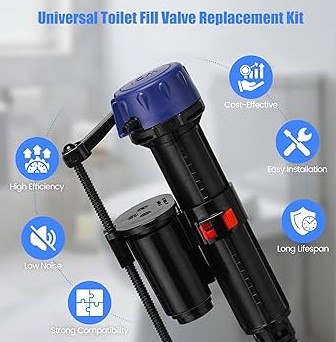 It’s 2:00 AM, the house is dead silent, and there it is again—that faint, ghostly hiss coming from the bathroom. Or worse, you walk in and notice a phantom flush when nobody has even touched the handle.
In my ten years of diagnosing plumbing headaches, I have found that a running toilet is the ultimate silent budget killer. A single malfunctioning toilet can waste up to 200 gallons of water a day. That is the equivalent of leaving your garden hose running for hours, sending your hard-earned money straight down the drain.
Most homeowners assume a noisy toilet means they need a completely new porcelain throne. But here is an insider secret from a decade in the trenches: 90% of the time, your internal tank components are just worn out. Upgrading your porcelain tank with a modern fill valve kit is the ultimate, cost-effective way to restore peace, quiet, and efficiency to your bathroom.
The Heart of the Tank: Understanding the Fill Valve
To understand why a fill valve kit is so revolutionary, we need to demystify what goes on beneath that heavy porcelain lid. Many beginners look inside a toilet tank and see a confusing web of plastic and rubber.
Think of your toilet tank like a miniature, automated water tower. The fill valve is the gatekeeper of that tower. Its sole job is to refill the tank with fresh water after a flush and shut off precisely when the water reaches the correct line.
+-------------------------------------------------------+
|             THE TOILET TANK ECOSYSTEM                 |
+-------------------------------------------------------+
|  [ Water Supply ] --> ( Fill Valve Kit )              |
|                             │                         |
|                             ▼                         |
|                     [ Tank Reservoir ]                |
|                             │                         |
|              (Flush Valve) ─┘                         |
+-------------------------------------------------------+
Older sanitary systems rely on a traditional ballcock assembly—that large, awkward brass rod with a floating copper or plastic ball attached to the end. These mechanical dinosaurs are prone to rusting, misalignment, and taking up too much physical space inside the tank. Modern kits replace this outdated setup with a compact, vertically gliding float cup design that measures water levels with pinpoint accuracy.
Signs It Is Time for a Fill Valve Kit Replacement
How do you know your current infrastructure is failing? Plumbing components don’t last forever; the constant exposure to water treatments, chlorine, and mineral deposits eventually degrades the internal seals.
If you notice any of the following symptoms, it is time to intervene:
-
The Endless Hiss: The toilet continuously runs or makes a trickling sound long after the flush cycle should have ended.
-
The Slow Refill: The tank takes more than two minutes to fill up completely after a flush.
-
Water Height Anomalies: The water level inside the tank sits higher than the overflow tube, causing water to constantly spill into the bowl.
Instead of paying a plumber a hefty diagnostic fee, a universal fill valve kit allows intermediate DIYers and beginners alike to swap out the entire mechanism in under 30 minutes using basic hand tools.
Step-by-Step Guide: Upgrading with a Fill Valve Kit
Before you begin, don’t be intimidated by the prospect of working with water lines. As long as you shut off the main water source, there is zero risk of flooding your bathroom.
1. Isolation and Drainage
First, locate the shut-off valve on the wall beneath the toilet tank. Turn it clockwise until it stops. Flush the toilet and hold the handle down to drain as much water from the tank as possible. Use an old towel or sponge to soak up the remaining puddle at the bottom of the tank.
2. Disconnecting the Old System
Place a small bucket under the tank to catch any stray drops. Unscrew the water supply line coupling nut from the bottom of the shank. Next, remove the plastic locknut that secures the valve shank to the bottom of the tank. You can now lift the old valve assembly out of the tank entirely.
3. Adjusting the New Height
One of the best features of a modern, universal fill valve kit is its adjustable height mechanism. Before dropping it into the tank, twist the upper body of the valve to adjust its length.
Critical Measurement: The top of the new fill valve cap must sit at least 3 inches above the top of the overflow pipe. This prevents dangerous siphoning back into your home’s clean water supply.
      CORRECT FILL VALVE HEIGHT

      [ Fill Valve Cap ]
             │   ▲
             │   │  At least 3 Inches
             ▼   ▼
      =================== [ Top of Overflow Pipe ]
             │
             │
4. Installation and Reconnection
Insert the new valve shank through the hole in the bottom of the tank, ensuring the rubber shank washer is seated firmly inside the tank to create a watertight seal. Tighten the locknut underneath by hand, then add just a quarter-turn with channel locks. Do not over-tighten, or you risk cracking the porcelain tank.
Connect the refill tube from the valve directly to the overflow pipe using the included clip. Reattach your water supply line, turn the water back on slowly, and check for any leaks around the base of the tank.
Expert Advice: Hidden Warnings for the Savvy DIYer
Over my career, I have seen well-intentioned homeowners make a few critical errors during this upgrade. Keep these professional pointers in mind:
-
The Anti-Siphon Guardrail: Always ensure your refill tube clips above the overflow tube. If you shove the flexible tubing directly down inside the overflow pipe below the water line, it will create a natural siphon that continuously drains your tank into the bowl.
-
Beware of Chemical Tablets: If you use those blue, bleach-heavy chemical cleaning tablets that drop directly into the tank, stop immediately. The harsh chemicals accelerate the decay of the silicone and rubber seals inside your brand-new fill valve kit, cutting its lifespan in half.
-
Check the Flapper Simultaneously: If you replace the fill valve and your toilet still cycles on and off randomly, your flapper (the rubber seal at the bottom of the tank) is warped. Most comprehensive kits include a new flapper for this exact reason—always replace both at the same time for total peace of mind.
Conclusion
Optimizing your home’s sanitary infrastructure doesn’t require a master’s degree in engineering or an expensive service call. By taking control of your maintenance with a high-quality fill valve kit, you can eliminate annoying noises, lower your monthly utility bills, and ensure your plumbing runs like a well-oiled machine. It is one of the most rewarding, high-ROI weekend projects a homeowner can tackle.
Have you noticed your toilet acting up lately, or have you ever tried replacing tank components yourself? Let’s troubleshoot together—drop your questions or project stories in the comments below!
Precision Surface Protection: Ensuring Quality Results with Masking Tape Blue
 Picture this: You’ve spent three hours meticulously cutting in the edges of your living room ceiling. You pull away the tape, expecting a flawless, razor-sharp line that would make a gallery curator proud. Instead, a chunk of your freshly cured drywall primer comes off with it, leaving a jagged, blurry mess.
In my ten years of managing residential renovations, I’ve seen this exact heartbreak play out on dozens of DIY sites. The culprit isn’t usually bad technique; it’s using the wrong tool for the job.
When it comes to safeguarding your finishes, standard cream-colored masking tape just won’t cut it for critical applications. That is where masking tape blue (commonly known as blue painter’s tape) comes into play. Let’s dive deep into why this specific tool is the unsung hero of precision surface protection and how you can master its use.
The Anatomy of Blue Painter’s Tape: Why Color Matters
To the untrained eye, tape is just sticky paper on a roll. But to a home improvement professional, masking tape blue is a highly engineered piece of equipment.
Standard masking tape uses a high-tack rubber adhesive. It’s designed to stick fast and hold tight, which sounds great until you try to peel it off delicate latex paint or expensive hardwood. It dries out quickly, turns brittle, and leaves a gooey residue that requires harsh chemicals to remove.
+-------------------------------------------------------------+
|               HOW ADHESIVE STRENGTH COMPARES                |
+-------------------------------------------------------------+
| Standard Masking Tape:  [████████████████████] High Tack    |
| Blue Painter's Tape:    [██████████░░░░░░░░░░] Medium/Low    |
+-------------------------------------------------------------+
Think of standard masking tape like superglue’s cousin—it’s aggressive. Masking tape blue, on the other hand, utilizes a specialized acrylic adhesive. This compound provides a medium-to-low tack that creates a secure bond with the surface but releases cleanly, even after being exposed to direct sunlight for up to 14 days.
The Crepe Paper Backing Difference
The backing of quality blue tape isn’t smooth plastic; it has a slight texture. This crepe paper backing allows the tape to stretch slightly, which is essential when you are navigating slight curves, baseboard contours, or textured orange-peel walls. It also features a water-resistant coating that prevents water-based paints from soaking through and bleeding onto your protected surface.
Mastering the Application for Flawless Lines
Achieving a professional-grade paint line requires more than just stretching the tape across a wall and slapping it down. It requires a systematic approach to ensure the adhesive seals correctly.
1. Prep the Canvas First
No tape can adhere to dust, grease, or drywall powder. Before unrolling your masking tape blue, wipe down the surface with a damp microfiber cloth and a mild detergent. Let it dry completely. If you apply tape to a damp surface, moisture gets trapped underneath, destroying the adhesive bond and causing paint to bleed.
2. The “Lay and Press” Technique
Never pull out a long 4-foot strip of tape and try to eye-level it onto the wall; it will stretch, warp, and land crookedly. Instead, pull out about 6 to 8 inches at a time. Roll the tape out against the surface, anchoring it with your thumb as you go.
Pro Tip: Once the tape is down, use a plastic putty knife or a clean wallpaper tool to firmly press down the edges. This process, known as burnishing, activates the pressure-sensitive adhesive and locks out paint leaks.
3. Handling Corners and Transitions
When two taped edges meet in a corner, don’t overlap them loosely. Run the first piece slightly past the corner, cut it flush with a sharp utility knife, and then butt the second piece directly up against it. This creates a seamless barrier that paint cannot penetrate.
The Critical Extraction Phase: When and How to Peel
The job isn’t finished when the painting is done. In fact, the removal process is where most DIY projects go wrong.
   CORRECT REMOVAL ANGLE

   Wall Surface
   ─────────────────────────────
                \  <- Pull Backwards
                 \
                  \  <- 45-Degree Angle
                   \
                    ─────────────────── (Taped Line)
Many homeowners assume they should leave the tape on until the entire paint job is dry. This is a critical mistake. If the paint dries completely over the tape, it forms a solid film bridging the wall and the tape. When you pull the tape away, you pull the dry paint film off the wall.
The Sweet Spot for Removal
The absolute best time to remove masking tape blue is when the paint is dry to the touch but not fully cured—typically about an hour or two after your final coat.
-
Pull the tape back steadily at a 45-degree angle to the painted line.
-
Do not pull outward toward yourself; pull backward over the tape itself.
-
This angle acts like a miniature knife blade, cutting the clean edge between the wall and the tape as you pull.
Hidden Warnings: Avoid These Common Mistakes
While masking tape blue is incredibly forgiving, it isn’t magic. Here are a few job-site realities you need to keep in mind:
-
The Sunlight Trap: Even though UV-resistant blue tape can stay on for 14 days, intense, direct summer sunlight through a window can bake the adhesive if left too long. Aim to remove it within 3 to 5 days for optimal safety on delicate surfaces.
-
Fresh Paint Vulnerability: Never apply tape over paint that was applied yesterday. Even if it feels dry, interior latex paint can take up to 30 days to fully cure and harden. Taping over uncured paint will almost certainly cause pulling.
-
The Bleed Illusion: If you are working on heavily textured plaster or wood grain, paint can still seep through the microscopic gaps under the tape. For these surfaces, seal the edge of the tape with a tiny amount of your base coat color first, let it dry, and then apply your top coat.
Conclusion
At the end of the day, high-quality home improvement is about control. Using the right masking tape blue gives you absolute control over your lines, saves you hours of tedious touch-up work, and protects your home’s surfaces from accidental damage. It is an inexpensive investment that yields professional results.
Have you ever had a taping disaster or a breakthrough moment on your own projects? Drop a comment below and let’s talk about your experiences!
Ensuring Your Home’s Health: Understanding Septic Tank Pumping Services
Why Septic Tank Pumping is Crucial for Your Home’s Health
The Hidden Dangers of Neglecting Your Septic System
Neglecting your septic system can lead to numerous hidden dangers that can severely impact both your property and your health. One of the most alarming issues arising from a poorly maintained septic tank is the risk of sewage backup. This occurs when waste accumulates and becomes unable to flow through the system, causing raw sewage to overflow into your home or yard. Such incidents not only create an unsanitary environment but can also contaminate nearby water sources, leading to further ecological damage. The untreated waste can contain pathogens, which pose serious health risks to humans and pets alike, ranging from gastrointestinal diseases to more severe infections.
Moreover, the structural integrity of your septic system can be compromised if it is not pumped regularly. Over time, solids known as sludge accumulate at the bottom of the tank, which can cause the system to fail. When this happens, you may be responsible for potentially costly repairs or even complete system overhauls, which can run into thousands of dollars. Additionally, a failing septic system can severely affect property value and insurability, making it crucial to ensure that your system is well-maintained and pumped regularly as needed. By understanding these hidden dangers, homeowners can take proactive steps in safeguarding their properties and their health, making septic tank pumping an essential component of home ownership.
Understanding the Science Behind Septic Tank Functionality
Septic tanks are fascinating biosystems, expertly designed to treat wastewater from households. Understanding the science behind their functionality reveals why regular maintenance, particularly pumping, is so critical. At a fundamental level, a septic tank operates using gravity to transport waste from your home into a buried tank. Once the waste enters the tank, it separates into three layers: solids (sludge) which settle at the bottom, liquids (effluent) in the middle, and floating scum of fats, oils, and grease at the top. This separation process is facilitated by anaerobic bacteria—microorganisms that thrive without oxygen, breaking down organic matter and converting it into simpler substances.
Over time, as solids accumulate, the space available for effluent diminishes, and eventually, the tank can become overloaded. If the solid waste fills up too high, it risks being flushed out into drain fields, where it can contaminate groundwater or surface water, causing environmental and public health hazards. Understanding this operational mechanism highlights the necessity of regularly scheduled pumping, typically every 3 to 5 years. This maintenance ensures the balance within the septic system remains intact, prolonging its lifespan and effectiveness. In turn, this knowledge empowers homeowners to take their septic system care seriously, fostering a culture of awareness regarding the importance of these often-overlooked household components.
Signs It’s Time to Call in the Septic Professionals
Recognizing Warning Signals Before It’s Too Late
While many homeowners may not think about their septic tank daily, understanding the warning signals that indicate a need for professional service can save you significant headaches down the line. The first obvious sign that your septic system may need attention is the presence of foul odors. If you smell unpleasant sewage odors around your yard or inside your home, this can indicate a problem such as a backup, overflow, or a breach in the tank. Additionally, if you notice lush, green patches of grass in your yard where the septic drain field is located, it may signify that wastewater is surfacing, indicating a potential failure in the tank or the drain lines. Another alarming indication is the slow draining of sinks, toilets, or showers; this can mean that your septic tank is reaching its capacity and needs urgent attention.
Other signs include frequent backups, especially if more than one plumbing fixture is backing up simultaneously. Such occurrences often point to either a clog within the system or excessive saturation of the drain field. Another less noticeable yet crucial red flag is the frequent bubbling or gurgling sounds in your plumbing; these can signal that air is being tripped in the plumbing lines, a common consequence of a full septic tank. Recognizing these warning signals can empower homeowners to act before costly damage ensues or leading health hazards arise, making it essential to maintain vigilance regarding the health of your septic system.
The Importance of Regular Maintenance: How Often is “Often Enough”?
The question of how often a septic system should be pumped depends on several factors, including tank size, household size, and usage habits. On average, most septic systems should undergo pumping every 3 to 5 years. However, households generating a higher volume of wastewater—due to increased occupancy or a greater number of water-using fixtures—may need to have their tanks pumped more frequently, even on an annual basis. It’s vital to consider the specific characteristics and needs of your household, as neglecting these routine maintenance tasks can lead to unexpected system failures and expensive emergency repairs.
Some homeowners might ask how they can best know when their system is due for pumping. Regular inspections and keeping detailed records of previous pumping dates can aid significantly in creating a maintenance schedule that suits individual needs. Additionally, during inspections, professionals may suggest pumping intervals tailored to your family’s lifestyle, ensuring that your system operates efficiently without overburdening the environment. In doing so, homeowners can prolong the lifespan of their septic system, requiring less frequent repairs and contributing positively to local ecosystems.
Choosing the Right Septic Tank Pumping Service: What to Look For
Evaluating Experience and Customer Testimonials for Peace of Mind
Selecting the right septic tank pumping service is paramount to ensuring the longevity and overall effectiveness of your septic system. As with any home service, it’s important to prioritize experience and qualifications when making your choice. Start by checking for licenses, insurance, and certifications that demonstrate the company’s professionalism and adherence to safety and environmental standards. A reliable septic service should also be equipped with the latest tools and technologies, allowing for efficient diagnoses and repairs that can save you time and money in the long run.
Customer testimonials offer valuable insights and can be a crucial factor in your decision-making process. Check online platforms like Google Review and Yelp, but also consider reaching out directly to previous customers, if possible. Ask them about their experiences; inquire about the timeliness of service, professionalism of staff, and their satisfaction with the workmanship. Additionally, it’s beneficial to obtain multiple quotes from different services before making your decision. Although cost is an important factor, it should not be the sole basis for selection. Balancing cost and quality of service can make a significant difference in your satisfaction, ensuring that the investment provides value and protects your home.
Understanding Pricing Models: What’s Fair and What’s Fishy?
When it comes to pricing for septic tank pumping services, transparency is key. A reputable company will provide a detailed estimate that outlines potential charges and the scope of services included. Typical costs for septic tank pumping can vary widely, generally ranging between $200 and $500 depending on the tank’s size and location, accessibility, and the condition of the system. Be wary of excessively low bids that sound too good to be true; these prices often reflect either inadequate service or hidden fees that can arise later.
As a consumer, also consider asking about additional costs that might emerge during service, such as septic tank repairs, pumping additives, or environmental fees. Many companies may offer package deals that include regular maintenance checks alongside pumping, which can result in cost savings and give homeowners peace of mind that their system’s health will be monitored over time. By educating yourself about what constitutes fair pricing and understanding the various elements in the cost structure, you can make a more informed decision while avoiding potential pitfalls associated with this necessary home maintenance.
After the Pumping: Best Practices for a Healthy Septic System
Simple Changes You Can Make to Extend Your Septic Tank’s Life
Proper septic tank care extends far beyond the act of pumping; it requires a holistic approach involving various practices that can significantly enhance your system’s life. One of the most effective changes you can implement is to practice water conservation. Simple measures like fixing leaks, taking shorter showers, and using water-efficient appliances can reduce the amount of wastewater entering your septic system, preventing overload. This not only alleviates strain on the system but also saves you money on your water bill.
Another beneficial practice is to be mindful of what enters your septic system. Avoid flushing non-biodegradable items, grease, and harsh chemicals down your drains. These can disrupt the natural bacteria that facilitate the digestion of waste in the tank, leading to system failures over time. Instead, opt for eco-friendly cleaning products that are easier on your septic system. Additionally, regular inspection of the drain field area is important; it should remain undisrupted by plant roots or heavy machinery, which can lead to blockages and necessitate costly repairs.
Common Misconceptions That Could Harm Your System
There are numerous misconceptions surrounding the best care practices for septic systems, and believing in them can harm your system’s health. One prevalent myth is that septic systems can “clean” themselves indefinitely; this leads many homeowners to underestimate the importance of regular pumping and maintenance. Another misconception is that adding various chemicals or additives to the septic tank can enhance its functionality. Though some products may temporarily alleviate issues, they often do more harm than good by disrupting the natural bacterial breakdown process essential for septic health. It is essential to prioritize routine inspection, proper waste disposal practices, and genuine preventive measures over quick-fix solutions.
Furthermore, some homeowners mistakenly believe that it’s okay to plant trees or shrubs near the septic system as long as they are not planted directly on top. In truth, tree roots can penetrate the septic tank and drain field, causing extensive damage that may necessitate costly repairs. Educating yourself on these common myths versus facts can help you make informed decisions that preserve your septic system in the long run, ensuring that it functions smoothly and efficiently for years to come.
Custom-Built Garden Sheds: Organize Your Tools with Style
Source:https://cdn.shopify.com
When it comes to gardening, having a dedicated space to store your tools, equipment, and supplies is essential for keeping your outdoor area neat and efficient. A custom-built garden shed offers the perfect solution, combining functionality with personalized design to create a space that works for you. Whether you’re a seasoned gardener or a hobbyist looking to elevate your outdoor space, a custom-built garden shed not only helps you organize your tools and equipment but also adds a stylish element to your garden. In this article, we’ll explore the benefits of having a custom-built garden shed, the key considerations when designing one, and how it can enhance your gardening experience.
The Benefits of Custom-Built Garden Sheds
Investing in a custom-built garden shed offers a wide range of benefits, from better organization to enhancing the overall aesthetic of your backyard. Whether you need additional storage or want a more cohesive outdoor design, a custom garden shed can serve multiple purposes while adding value to your home.
1. Tailored to Your Needs
One of the most significant advantages of choosing a custom-built garden shed over a pre-made option is that it can be tailored to your specific needs. Custom sheds allow you to design the space according to the types of tools and equipment you have, ensuring that everything has its place. Whether you need extra shelving for pots and planters, a workbench for repairs, or specific storage for larger equipment like lawnmowers or garden carts, a custom-built shed can be designed with all these requirements in mind.
You also have the flexibility to choose the size, layout, and features of your shed. If you have a small garden and limited space, your custom shed can be designed to maximize every inch. If you have a larger garden or more equipment, a bigger shed with dedicated sections for various tools may be the best option. The ability to customize your shed means you’ll end up with a storage solution that perfectly suits your needs and preferences.
2. Improved Organization
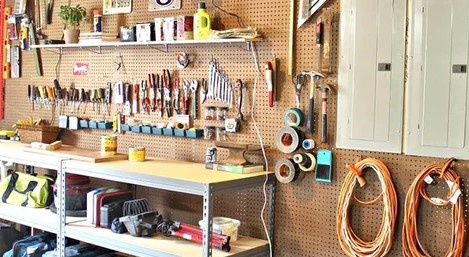
Gardening tools can quickly become disorganized, leading to wasted time searching for the right item and even losing tools in the process. A custom-built garden shed helps you keep your tools neatly organized and easily accessible. With built-in shelving, pegboards, hooks, and storage bins, everything can be arranged in a way that makes sense for your gardening routine.
For example, you can have designated areas for small hand tools like pruners, trowels, and weeding forks, as well as larger sections for power tools and other bulky equipment. Specialized storage options such as tool racks or sliding drawers can also be integrated to keep your space clutter-free. With the right design, a custom shed ensures that you spend less time searching for tools and more time enjoying your garden.
3. Durability and Longevity
A custom-built garden shed is built to last. By working with a contractor or a skilled shed builder, you can ensure that the materials and construction methods used are top quality, providing a shed that can withstand the elements. Whether you live in an area with heavy rainfall, intense sun, or freezing winters, a custom shed can be designed to endure.
Most custom garden sheds are constructed from durable materials such as pressure-treated wood, steel, or vinyl. These materials offer superior resistance to weathering, rot, and insects compared to mass-produced models. Additionally, you can select roofing materials that are designed to withstand harsh conditions, ensuring that your shed remains in excellent condition for years to come.
4. Aesthetic Appeal
While the primary function of a garden shed is to provide storage, it can also serve as an attractive focal point in your outdoor space. A custom-built garden shed can be designed to complement your home’s architecture and your garden’s overall aesthetic. Whether you prefer a rustic, cottage-style shed with wooden slats and vintage accents or a modern, minimalist structure with clean lines and metal finishes, the design possibilities are endless.
By matching the style of your shed to your home’s exterior or your garden’s design theme, you create a cohesive and visually appealing outdoor space. The shed becomes more than just a utility structure—it becomes an integral part of your garden’s overall charm and character.
Key Considerations When Designing a Custom-Built Garden Shed
When planning your custom-built garden shed, several factors should be taken into account to ensure that the final design meets your functional and aesthetic needs. Here are some key considerations to keep in mind:
1. Space and Size
Before you begin designing your shed, assess the available space in your garden. Measure the area where you want to place the shed and consider the amount of space you’ll need to store all your gardening tools and equipment. Keep in mind that you may want additional room for movement, a workbench, or even a potting station.
Choosing the right size is crucial to maximizing storage while maintaining a balanced look in your outdoor space. A too-large shed can overpower your garden, while a too-small shed might not provide the storage you need. Take the time to plan out the layout to ensure it’s both functional and well-proportioned.
2. Functionality and Layout
Think about how you plan to use the shed. Will it be used for tool storage alone, or will it also serve as a workspace for potting plants or performing garden maintenance? A good layout is essential for maximizing the functionality of your shed. If you’re using it as a multi-purpose space, consider including a potting bench, worktable, or even electrical outlets for running tools like a fan or heater.
Also, consider the placement of shelves, hooks, and storage bins. A custom-built garden shed allows you to have dedicated areas for everything, making organization easier and more efficient.
3. Material Selection
The material you choose for your shed will impact its durability, appearance, and maintenance requirements. Wood is a popular choice for custom sheds due to its natural look and versatility. Cedar and redwood are both durable and resistant to rot, making them ideal for outdoor use. If you prefer a low-maintenance option, vinyl or metal sheds are a great alternative.
Think about your climate and the amount of maintenance you’re willing to invest in. While wooden sheds offer a rustic appeal, they may require regular staining or sealing to protect them from the elements. Vinyl and metal sheds are more durable with less upkeep but may lack the charm of natural wood.
4. Style and Design
The style of your custom-built garden shed should reflect your personal taste and complement your garden’s aesthetic. Whether you prefer a classic gable roof, a modern shed with flat lines, or a charming barn-style design, you have the freedom to choose a style that fits seamlessly into your outdoor space. You can also choose from a variety of finishes, colors, and decorative accents to create a shed that suits your personality.
Consider adding windows for natural light and ventilation, or a porch area where you can relax and enjoy your garden. You can also personalize the shed with unique touches such as hanging plants, vintage signage, or custom hardware.
A custom-built garden shed is an investment that pays off in both functionality and style. It allows you to organize your tools, protect your equipment from the elements, and create an inviting space in your backyard. With the ability to design your shed according to your needs, preferences, and available space, you’ll have a personalized storage solution that enhances your gardening experience. By focusing on key considerations such as size, layout, materials, and style, you can build a shed that not only meets your practical needs but also serves as a beautiful addition to your garden. Whether you’re storing tools or using the space as a potting area, a well-designed custom garden shed adds both utility and charm to your outdoor space.