


Best Cargo Vans: Top Choices for Business and Transport Needs
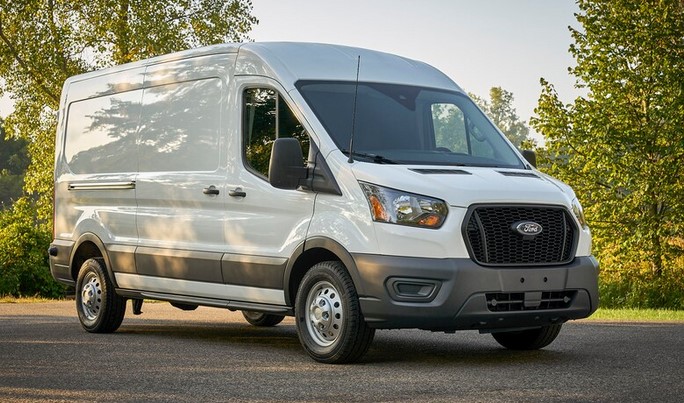
Source:https://goshare.co
Selecting the Best cargo vans is a critical decision for businesses and professionals who depend on reliable transportation to move goods, tools, and equipment efficiently. Cargo vans are the backbone of many industries, from logistics and construction to delivery services and mobile workshops. Modern cargo vans are no longer just empty boxes on wheels; they combine advanced safety systems, fuel-efficient powertrains, flexible cargo configurations, and driver-focused comfort. This article explores what makes a cargo van truly effective, examines the leading categories available today, and provides practical guidance for choosing the right model for diverse business and transport needs.
Key Factors That Define a High-Quality Cargo Van
Before comparing specific options, it is important to understand the core characteristics that separate an average cargo van from a truly dependable work vehicle. The right balance of performance, capacity, and operational efficiency directly affects productivity and long-term ownership costs.
Cargo Capacity, Dimensions, and Flexibility
Cargo space is the primary reason for choosing a cargo van, but capacity should be evaluated beyond simple volume numbers. Interior height, load floor length, and door opening dimensions all influence how easily goods can be loaded and organized.
Many modern cargo vans offer multiple roof heights and wheelbase lengths, allowing businesses to select configurations that match their specific requirements. High-roof models enable standing room inside the cargo area, which is especially valuable for tradespeople who work from within the van. Wide rear and sliding side doors improve accessibility, reducing loading time and physical strain.
Upfitting flexibility is another major advantage. Shelving systems, partition walls, ladder racks, refrigeration units, and mobile workshop conversions allow cargo vans to be customized for specialized tasks. A van that supports modular upfits can adapt as business needs evolve, extending its useful lifespan.
Powertrain Options and Fuel Efficiency
Engine performance and efficiency play a significant role in daily operating costs. Cargo vans are now available with a range of powertrain options, including traditional gasoline engines, diesel engines, hybrid systems, and fully electric drivetrains.
Gasoline engines typically offer lower upfront costs and smooth performance, making them suitable for urban and suburban use. Diesel engines are often favored for their torque and efficiency, particularly for heavy loads and highway driving. Electric cargo vans are gaining popularity for local delivery routes, offering low running costs, quiet operation, and zero tailpipe emissions.
Transmission options, towing capacity, and payload ratings should also be considered. A well-matched powertrain ensures that the van can handle daily workloads without excessive wear or fuel consumption.
Leading Categories of Cargo Vans for Different Business Needs
Rather than focusing on a single “best” model, it is more practical to evaluate cargo vans by category, as different businesses have different priorities.
Compact Cargo Vans for Urban Operations
Compact cargo vans are ideal for businesses operating primarily in cities. Their smaller footprint makes them easier to maneuver in tight spaces and park in crowded areas, while still providing ample cargo room for light to moderate loads.
These vans are commonly used by couriers, service technicians, and small retail businesses. They offer good fuel efficiency, lower purchase prices, and reduced maintenance costs compared to larger vans. While they may not handle heavy payloads, their agility and efficiency make them highly effective for last-mile delivery and service calls.
Full-Size Cargo Vans for Heavy-Duty Work
Full-size cargo vans are the workhorses of the commercial vehicle world. Designed to carry large volumes and heavy loads, they are well-suited for construction, plumbing, electrical work, and large-scale delivery operations.
These vans typically offer multiple body styles, roof heights, and drivetrain options, including rear-wheel drive and all-wheel drive for improved traction. Advanced driver-assistance features such as blind-spot monitoring, lane-keeping assistance, and adaptive cruise control enhance safety, especially for long workdays on busy roads.
Electric Cargo Vans for Sustainable Fleets
Electric cargo vans represent a growing segment focused on sustainability and long-term cost savings. They are particularly attractive for businesses with predictable routes and access to charging infrastructure.
Electric vans provide instant torque, smooth acceleration, and significantly lower energy and maintenance costs. While range limitations still exist, many models are well-suited for daily urban delivery routes. Incentives and regulations promoting low-emission vehicles further strengthen their appeal for forward-thinking businesses.
Choosing the Right Cargo Van for Long-Term Success
Making the right cargo van choice requires a holistic evaluation of operational needs, budget, and future growth plans.
Assessing Total Cost of Ownership
The purchase price is only one part of the equation. Fuel or energy costs, maintenance, insurance, depreciation, and downtime all contribute to the total cost of ownership. A slightly more expensive van with better fuel efficiency or lower maintenance requirements may prove more economical over time.
Warranty coverage and service network availability are also important. A van supported by a strong dealer network can reduce downtime and ensure faster repairs, which is critical for businesses that rely on consistent vehicle availability.
Driver Comfort and Safety
Driver comfort is often overlooked, but it directly impacts productivity and job satisfaction. Modern cargo vans now include ergonomic seating, advanced infotainment systems, climate control, and noise reduction features. A comfortable driver is more alert, efficient, and less prone to fatigue-related errors.
Safety technology is equally important. Features such as automatic emergency braking, rearview cameras, parking sensors, and stability control help prevent accidents and protect both drivers and cargo.
Scalability and Future Needs
Businesses evolve, and transportation needs can change rapidly. Choosing a cargo van platform that offers multiple configurations or supports future upfitting allows for easier expansion. Fleets may also benefit from telematics systems that track vehicle usage, maintenance schedules, and driver behavior, improving efficiency and cost control over time.
Choosing the Best cargo vans is a strategic investment that directly influences operational efficiency, safety, and long-term profitability. By understanding key factors such as cargo capacity, powertrain options, and total cost of ownership, businesses can identify vans that align with their specific transport needs. Whether opting for compact urban vans, heavy-duty full-size models, or innovative electric options, the right cargo van supports growth, reliability, and success in an increasingly competitive business environment.