


Daily Archives: March 25, 2026
Connected Medical Devices: Advancing Modern Healthcare
Source:https://www.gilero.com
Healthcare systems around the world are undergoing a digital transformation driven by the need for better patient outcomes, operational efficiency, and data-driven decision-making. At the center of this shift are connected medical devices, which integrate sensors, software, and network connectivity to collect and share health data in real time. These technologies are reshaping how care is delivered by enabling continuous monitoring, faster diagnosis, and more personalized treatment. As healthcare moves beyond hospital walls and into homes and communities, connected solutions are becoming essential tools in modern medicine.
The Role of Connectivity in Modern Medical Technology
Medical devices have long played a critical role in diagnosing and treating patients, but traditional devices often operated in isolation. Data was collected manually, reviewed after the fact, and stored in fragmented systems. Connectivity changes this paradigm by allowing devices to communicate seamlessly with healthcare platforms, clinicians, and patients.
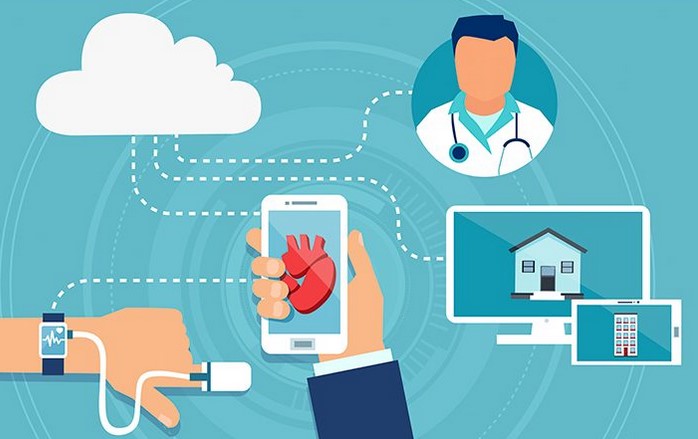
By transmitting data automatically, connected systems reduce delays and improve accuracy. Vital signs, medication adherence, and device performance can be tracked continuously rather than at isolated moments. This real-time data flow enables healthcare professionals to detect issues earlier and intervene before conditions escalate. For patients with chronic illnesses such as diabetes, heart disease, or respiratory disorders, this shift from episodic care to continuous oversight can be life-changing.
Connectivity also supports interoperability across healthcare ecosystems. When devices integrate with electronic health records (EHRs) and clinical decision-support systems, patient information becomes more accessible and actionable. This unified view of patient data helps clinicians make informed decisions, reduces duplication of tests, and improves coordination among care teams.
Remote Monitoring and Preventive Care
One of the most impactful applications of connected medical technology is remote patient monitoring. Devices such as wearable sensors, smart implants, and home-based diagnostic tools allow patients to be monitored outside traditional clinical settings. This approach reduces hospital visits while maintaining high standards of care.
Remote monitoring supports preventive care by identifying trends and anomalies early. For example, subtle changes in heart rate, oxygen saturation, or activity levels may signal the onset of complications. Clinicians can respond proactively, adjusting treatment plans or advising lifestyle changes before hospitalization becomes necessary. This not only improves patient outcomes but also reduces the strain on healthcare systems.
Preventive care is particularly valuable in aging populations and underserved regions where access to healthcare facilities may be limited. By extending care into the home, connected technologies promote equity and continuity of care across diverse patient populations.
Benefits for Patients, Providers, and Healthcare Systems
The adoption of connected medical devices delivers measurable benefits across all levels of the healthcare ecosystem. For patients, these technologies enhance engagement and empowerment. Access to personal health data encourages individuals to take an active role in managing their conditions. Alerts, reminders, and feedback mechanisms help patients adhere to treatment plans and make informed lifestyle choices.
Healthcare providers benefit from improved efficiency and clinical insight. Automated data collection reduces administrative burdens and minimizes human error. Clinicians can focus more on patient interaction and complex decision-making rather than manual data entry. In addition, advanced analytics applied to connected device data can reveal patterns that inform diagnosis, treatment optimization, and population health management.
From a system-wide perspective, connected devices contribute to cost containment and resource optimization. Early detection and preventive care reduce expensive emergency interventions and hospital admissions. Predictive maintenance of medical equipment also minimizes downtime and ensures reliability in critical care environments.
Data-Driven Innovation and Research
Beyond day-to-day clinical use, connected medical technologies are transforming medical research and innovation. Large volumes of real-world data collected from diverse patient populations provide valuable insights into disease progression, treatment effectiveness, and patient behavior. Researchers can analyze this data to identify new biomarkers, refine clinical guidelines, and accelerate the development of personalized therapies.
Pharmaceutical and medical device companies also leverage connected data to improve product design and post-market surveillance. Continuous feedback from real-world usage helps identify safety issues earlier and supports iterative innovation. This data-driven approach shortens development cycles and aligns products more closely with patient needs.
Challenges, Security, and the Path Forward
Despite their promise, connected medical technologies also introduce challenges that must be addressed to ensure safe and effective adoption. Data security and patient privacy are paramount concerns. Medical devices handle sensitive health information, making them attractive targets for cyberattacks. Robust encryption, secure authentication, and regular software updates are essential to protect data integrity and patient trust.
Regulatory compliance is another critical consideration. Connected devices must meet stringent safety and performance standards while adapting to evolving regulations across different regions. Manufacturers and healthcare organizations must collaborate closely with regulators to balance innovation with patient safety.
Interoperability remains an ongoing challenge as well. For connected systems to deliver their full value, devices from different manufacturers must communicate effectively. Industry-wide standards and open architectures are key to avoiding data silos and ensuring seamless integration across healthcare platforms.
Looking ahead, advances in artificial intelligence, edge computing, and next-generation connectivity will further enhance the capabilities of connected medical technologies. AI-driven analytics can provide predictive insights, while edge processing reduces latency and enhances reliability. Together, these innovations will support more autonomous, intelligent, and patient-centered care models.
The healthcare industry is at a pivotal moment, where technology and medicine converge to redefine how care is delivered and experienced. Connected medical devices are playing a central role in this transformation by enabling real-time data exchange, personalized treatment, and proactive care. As challenges around security, interoperability, and regulation are addressed, these technologies will continue to advance modern healthcare, improving outcomes for patients and creating more resilient, efficient healthcare systems worldwide.