


Daily Archives: March 20, 2026
Gaming Smartphones That Deliver Console-Like Performance
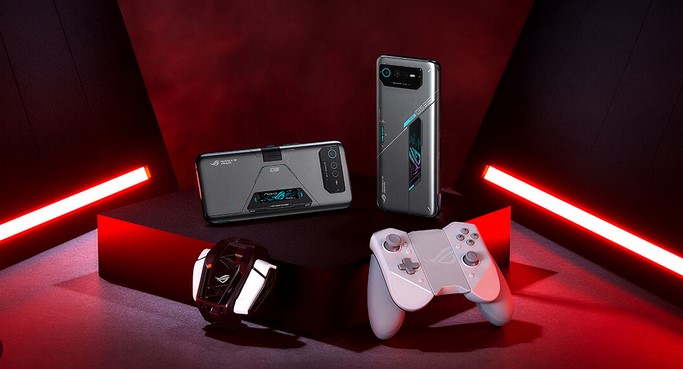
Source:https://www.techpowerup.com
In the fast-evolving world of mobile technology, gaming smartphones have emerged as powerful contenders that blur the line between handheld devices and traditional gaming consoles. What was once limited to casual games and apps has now shifted to graphically intense titles that demand robust hardware, advanced cooling systems, and seamless performance. Gamers today expect smooth frame rates, responsive controls, and immersive experiences akin to what they enjoy on consoles such as the PlayStation and Xbox. As mobile processors and software optimization techniques advance, the best gaming phones are now capable of delivering experiences that rival the performance of full-fledged consoles, transforming the way people game on the go.
What Makes a Smartphone Game Like a Console?
To fully appreciate how certain smartphones achieve console-like performance, it’s essential to understand the underlying components and design strategies that make this possible.
High-End Processors and Graphics
At the heart of any gaming-capable device is its processor and graphics architecture. Unlike standard smartphones, gaming phones leverage the latest mobile SoCs (Systems on Chip) that pack immense processing power. These chipsets combine powerful CPU cores with cutting-edge GPUs (Graphics Processing Units), enabling them to render detailed environments, complex lighting effects, and large-scale physics simulations that were once exclusive to PCs and consoles.
Major chipset manufacturers such as Qualcomm and MediaTek continually push the envelope with their flagship mobile processors, balancing clock speeds, power efficiency, and thermal performance. These advancements allow gaming smartphones to handle AAA (triple-A) mobile titles with high-resolution textures and demanding graphical features. Moreover, the integration of dedicated gaming optimization engines ensures that performance is sustained even during extended play sessions.
Advanced Display Technology
Smooth visuals elevate the mobile gaming experience significantly. High refresh rate screens—typically 120Hz or higher—are now a staple of top-tier gaming phones, delivering fluid motion and reduced input lag. This is especially valuable in competitive multiplayer titles where split-second reactions can determine outcomes. These displays often come with high touch sampling rates, enhancing responsiveness and providing gamers with a competitive edge.
In addition to refresh rates, modern gaming smartphones support vibrant color gamuts and high brightness levels, making visuals pop and ensuring clarity even under direct sunlight. Combined with resolutions that range from Full HD+ to QHD+, the overall visual experience is immersive and engaging—a key factor in delivering a console-like feel.
Cooling Solutions for Sustained Play
One of the biggest challenges in mobile gaming is heat management. Prolonged gaming sessions generate significant heat due to sustained CPU and GPU activity. Unlike stationary consoles, smartphones have limited space for traditional cooling systems. To counteract this, manufacturers have developed innovative cooling solutions such as vapor chambers, thermal gels, and multi-layer heat dissipation systems.
These technologies help maintain optimal performance by preventing thermal throttling, a condition where the device reduces its speed to avoid overheating. By keeping temperatures in check, gaming smartphones can deliver consistent frame rates and prevent performance dips during marathon gaming sessions.
Gaming Ecosystem and Software Enhancements
The hardware benefits of gaming smartphones are complemented by software features that enhance usability and gaming performance.
Game Optimization Suites
Leading smartphone brands have introduced dedicated game modes and optimization suites that prioritize system resources for active games. These features can block background tasks, limit notifications, and allocate CPU and GPU processing power more effectively. Some systems can even automatically switch between performance profiles based on real-time analysis of game requirements.
These optimizations ensure that games not only run smoothly but also maintain battery efficiency, striking a balance between high performance and longevity. For example, dynamic resolution scaling and adaptive refresh rate technologies help gaming phones sustain high-quality visuals without draining the battery excessively.
Accessories and Expandability
Recognizing the demand for enhanced control and comfort, manufacturers and third-party vendors offer a range of accessories designed specifically for mobile gaming. These include attachable controllers, cooling fans, gaming docks, and ergonomic grips that transform the smartphone into a more console-like setup. Such accessories expand the device’s versatility, especially for gamers who enjoy longer sessions or prefer tactile controls over touch inputs.
Additionally, some gaming smartphones support docking capabilities that enable connection to external displays. This feature allows users to mirror their device’s screen to larger monitors or TVs, effectively turning their mobile device into a portable console for couch gaming or group play.
The Future of Mobile Gaming
As mobile hardware continues to advance, the gap between console and smartphone gaming experiences will likely narrow even further. Emerging technologies such as cloud gaming integration, AI-powered performance enhancements, and next-generation wireless standards (like 5G and beyond) are set to play significant roles in this evolution.
Cloud Gaming Integration
Cloud gaming platforms enable high-fidelity titles to run remotely on powerful servers while streaming the output to a mobile device. This approach offloads the heavy lifting from the smartphone’s hardware, making even the most demanding console-quality games playable on modest devices. With high-speed internet becoming more widespread, cloud gaming could redefine what it means to game on mobile, further enhancing the appeal of gaming smartphones.
AI and Performance Optimization
In 2026 and beyond, artificial intelligence is poised to bring even more advanced performance tuning and predictive resource allocation to gaming devices. AI-driven optimization can analyze individual games and usage patterns, adjusting settings in real time to strike the best balance between performance, battery life, and thermal efficiency.
The landscape of mobile gaming has evolved tremendously, and gaming smartphones are now at the forefront of this transformation, delivering performance that can rival traditional consoles. With powerful processors, high-refresh-rate displays, innovative cooling solutions, and software enhancements designed to support immersive play, modern gaming phones are redefining what users can expect from handheld devices. As technology continues to advance, these devices will only become more capable, offering gamers an increasingly seamless and console-like experience wherever they go.