


Monthly Archives: February 2026
Procurement Strategies to Reduce Costs and Improve Efficiency

Source:https://www.sap.cn
In an environment of rising operational costs and increasing supply chain complexity, organizations are under constant pressure to do more with less. Procurement strategies play a critical role in this effort, influencing not only direct spending but also supplier relationships, risk management, and overall business agility. When procurement is treated as a strategic function rather than a transactional one, it becomes a powerful driver of cost reduction and operational efficiency. This article explores a modern, value-driven approach to procurement that balances savings with long-term performance.
Shifting Procurement from Cost Control to Value Creation
Traditional procurement models have focused primarily on negotiating lower prices and enforcing compliance. While cost control remains important, this narrow approach often overlooks opportunities to improve efficiency and unlock broader organizational value. Modern procurement leaders are redefining success by looking beyond unit cost to total cost of ownership and long-term outcomes.
Value-driven procurement considers factors such as supplier reliability, quality consistency, delivery performance, and innovation potential. For example, a slightly higher-priced supplier that delivers consistently on time and reduces production downtime may offer greater overall value than a cheaper but unreliable alternative. By evaluating suppliers holistically, organizations can reduce hidden costs that erode savings over time.
Another key shift is aligning procurement objectives with broader business goals. Whether the priority is sustainability, scalability, or speed to market, procurement decisions should support these strategic priorities. This alignment ensures that procurement teams are not optimizing in isolation, but contributing directly to organizational success.
Cross-functional collaboration is also essential. Procurement teams that work closely with finance, operations, and end users gain a clearer understanding of needs and constraints. This shared visibility enables smarter sourcing decisions and reduces inefficiencies caused by miscommunication or duplicated efforts.
Leveraging Data and Technology for Smarter Sourcing
Data-driven decision-making is at the heart of efficient procurement. Organizations that rely on fragmented data or manual processes often struggle to identify savings opportunities or measure performance accurately. By centralizing procurement data and leveraging analytics, businesses can gain insights that lead to better outcomes.
Spend analysis is a foundational capability. Understanding where money is being spent, with which suppliers, and under what terms allows procurement teams to identify consolidation opportunities, negotiate better contracts, and eliminate unnecessary purchases. Regular spend reviews help ensure that procurement activities remain aligned with evolving business needs.
Digital Tools That Enhance Procurement Efficiency
Technology has transformed procurement from a paper-heavy function into a streamlined, automated process. E-procurement platforms, contract management systems, and supplier portals reduce administrative effort and improve transparency. Automation of routine tasks such as purchase order creation and invoice matching frees procurement professionals to focus on strategic activities.
Advanced tools such as predictive analytics and artificial intelligence can further enhance sourcing decisions. These technologies can forecast demand, assess supplier risk, and recommend optimal sourcing scenarios. By anticipating disruptions or price fluctuations, organizations can act proactively rather than reactively.
However, technology alone is not a solution. Successful implementation requires clear processes, user training, and ongoing governance. Tools should be selected based on organizational maturity and integrated seamlessly into existing workflows to maximize adoption and impact.
Building Resilient Supplier Relationships
Efficient procurement is not solely about systems and savings; it is also about relationships. Strong supplier partnerships contribute to cost stability, innovation, and resilience, particularly in volatile markets. Organizations that treat suppliers as strategic partners rather than interchangeable vendors often achieve better long-term results.
Open communication is the foundation of effective supplier relationships. Sharing forecasts, performance feedback, and strategic priorities helps suppliers align their capabilities with organizational needs. This transparency can lead to collaborative problem-solving and continuous improvement.
Performance management is another critical element. Clear expectations, measurable metrics, and regular reviews ensure accountability on both sides. Rather than focusing only on penalties for underperformance, progressive organizations use performance data to identify improvement opportunities and support supplier development.
Risk diversification should also be considered as part of supplier strategy. Overreliance on a single supplier or region can expose organizations to significant disruption. Developing a balanced supplier portfolio enhances resilience without sacrificing efficiency.
In conclusion, procurement has evolved into a strategic function that influences cost structure, operational performance, and competitive advantage. By focusing on value creation, leveraging data and technology, and building strong supplier relationships, organizations can achieve sustainable improvements. When designed and executed thoughtfully, Procurement strategies become a cornerstone of cost reduction, efficiency, and long-term business success.
Hosting a Business Webinar That Converts

Source:https://cdn.prod.website-files.com
In an increasingly digital business environment, webinars have become one of the most effective tools for educating audiences, building authority, and generating qualified leads. However, not all webinars achieve meaningful results. Hosting a business webinar that truly converts requires more than a compelling topic and a presentation deck; it demands strategic planning, audience-centric design, and a clear path from engagement to action. This article introduces a modern approach to webinar strategy that focuses on conversion without sacrificing value or credibility.
Defining Conversion Before You Go Live
One of the most common mistakes organizations make is measuring webinar success solely by registration numbers or attendance rates. While these metrics matter, they do not define conversion. Before planning content or promotion, businesses must clearly define what conversion means in the context of their goals.
Conversion can take many forms, such as booking a consultation, signing up for a product trial, downloading a resource, or progressing to the next stage of a sales funnel. By identifying the desired outcome early, every element of the webinar—from the title to the closing call to action—can be aligned with that objective.
Audience alignment is equally critical. A webinar designed to convert decision-makers should differ significantly from one aimed at educating early-stage prospects. Understanding the audience’s pain points, level of awareness, and decision-making authority allows presenters to tailor messaging that resonates and motivates action.
Another key factor is expectation-setting. Promotional materials should clearly communicate what attendees will gain from the session. When expectations are met or exceeded, trust is established, making conversion more likely. Overpromising or delivering content that is too generic can undermine even the most well-produced webinar.
Structuring Content for Engagement and Trust
The structure of a webinar plays a significant role in maintaining attention and guiding attendees toward conversion. Rather than following a traditional lecture format, high-converting webinars are designed as guided experiences that balance education, interaction, and persuasion.
A strong opening is essential. The first few minutes should confirm the relevance of the topic, introduce the speaker’s credibility, and outline what attendees will learn. This reassures participants that their time is well spent and reduces early drop-off rates.
Content should be organized around a clear narrative. Instead of presenting isolated tips, presenters can frame the webinar as a journey from problem to solution. This storytelling approach helps attendees connect emotionally with the topic and see the value of the proposed solution more clearly.
Integrating Interaction Without Disrupting Flow
Interactivity is often promoted as a best practice, but poorly implemented interaction can distract rather than engage. The key is intentional integration. Polls, questions, and chat prompts should serve a purpose, such as validating assumptions, gathering insights, or reinforcing key points.
For example, an early poll can help segment the audience based on experience level, allowing the presenter to adjust examples accordingly. Mid-session questions can re-engage attention and create a sense of participation. Importantly, interaction should feel natural and relevant, not forced or excessive.
Visual design also contributes to engagement. Slides should support the message rather than repeat it. Clear visuals, diagrams, and minimal text help maintain focus and improve comprehension. When content is easy to follow, attendees are more likely to stay engaged until the conversion moment.
Turning Engagement Into Measurable Results
The transition from engagement to conversion must be handled carefully. A hard sell at the end of a webinar can feel abrupt and undermine trust built during the session. Instead, conversion should be positioned as a logical next step that extends the value already delivered.
One effective approach is to introduce the call to action as a solution to the challenges discussed during the webinar. Rather than simply promoting a product or service, explain how it helps attendees apply what they have learned. This reframing makes the conversion feel helpful rather than promotional.
Timing also matters. While the primary call to action is often placed near the end, subtle references throughout the webinar can prepare attendees for what comes next. For example, mentioning that a tool or service will be discussed later creates anticipation without disrupting the educational flow.
Post-webinar follow-up is just as important as the live event. Timely emails that recap key insights, provide additional resources, and restate the call to action help capture conversions from attendees who need more time to decide. Segmenting follow-up messages based on attendance and engagement levels can further improve results.
In conclusion, webinars remain a powerful channel for business growth when approached strategically. By defining conversion clearly, structuring content for trust and engagement, and guiding attendees thoughtfully toward action, organizations can achieve meaningful outcomes. When executed with intention and audience focus, Hosting a business webinar becomes not just a marketing tactic, but a scalable engine for education, relationship-building, and conversion.
Building Brand Loyalty Programs That Keep Customers Coming Back

Source:https://restaurantify.com
In competitive markets where products and prices are increasingly similar, long-term success depends on more than customer acquisition. Retention, engagement, and emotional connection now play a defining role in sustainable growth. Brand loyalty programs have evolved from simple point-collection systems into strategic tools that shape customer behavior and strengthen relationships. When designed with intention, these programs do more than reward repeat purchases—they create reasons for customers to stay connected, engaged, and invested in a brand over time.
Rethinking the Purpose of Customer Loyalty
The traditional view of loyalty programs focuses heavily on transactional rewards: spend more, earn more, redeem later. While this approach can drive short-term sales, it often fails to build meaningful loyalty. Modern customers expect value beyond discounts, and they are quick to abandon programs that feel generic or one-sided.
A new way to approach loyalty is to see it as an exchange of value and trust. Customers share their time, data, and attention, and in return, they expect personalized experiences, recognition, and relevance. Loyalty programs should therefore be designed to acknowledge the customer’s entire relationship with the brand, not just their purchasing frequency.
Successful loyalty initiatives align closely with brand identity. A premium brand may focus on exclusivity and access, while a community-driven brand may emphasize participation and shared values. Defining the purpose of the program early ensures that rewards, communication, and engagement mechanisms feel authentic rather than forced.
Another important shift is recognizing that loyalty is emotional as well as behavioral. Customers who feel understood and appreciated are more likely to advocate for a brand, even when competitors offer lower prices. Loyalty programs that reinforce emotional connection create deeper, more durable relationships.
Designing Loyalty Programs Around Customer Behavior
Effective loyalty programs are built on a deep understanding of how customers interact with a brand across multiple touchpoints. Instead of rewarding only purchases, forward-thinking programs recognize a broader range of behaviors that indicate engagement and affinity.
This can include actions such as writing reviews, referring friends, engaging with content, or participating in brand communities. By rewarding these behaviors, brands encourage ongoing interaction and create multiple pathways to loyalty. This approach also makes programs more inclusive, allowing customers with different spending capacities to feel valued.
Personalization as the Core Loyalty Driver
Personalization is no longer optional in loyalty program design. Customers expect experiences tailored to their preferences, habits, and needs. Data collected through loyalty programs can be used to deliver relevant offers, recommendations, and communications that feel timely and thoughtful.
Rather than sending uniform rewards, brands can offer personalized incentives based on customer lifecycle stages. New customers may receive onboarding rewards that encourage exploration, while long-term customers might gain access to exclusive experiences or early product releases. This lifecycle-based approach keeps the program engaging at every stage of the relationship.
Technology plays a critical role in enabling personalization at scale. However, the strategy should always lead the technology. Clear guidelines on how data will be used, combined with transparent communication, help maintain trust and ensure customers feel comfortable participating in the program.
Sustaining Loyalty Through Experience and Evolution
Launching a loyalty program is only the beginning. To remain effective, programs must evolve alongside customer expectations and market conditions. Static programs quickly lose relevance, especially as competitors introduce new and more engaging alternatives.
One innovative idea is to design loyalty programs as experience platforms rather than reward catalogs. This means incorporating elements such as gamification, milestones, and storytelling. Progress-based systems that show customers how close they are to achieving the next level can motivate continued engagement and create a sense of achievement.
Employee involvement is another often-overlooked factor. Frontline staff should understand the loyalty program and be empowered to reinforce it during customer interactions. When employees actively promote and personalize loyalty experiences, customers perceive the program as an integrated part of the brand rather than a standalone promotion.
Measurement and optimization are essential for long-term success. Brands should regularly assess program performance using metrics such as retention rates, customer lifetime value, and engagement frequency. Qualitative feedback from customers can also provide valuable insights into what is working and where improvements are needed.
In conclusion, loyalty is not built through rewards alone, but through consistent value, relevance, and emotional connection. By focusing on customer behavior, personalization, and evolving experiences, organizations can create programs that genuinely strengthen relationships. When designed with a long-term mindset, Brand loyalty programs become powerful engines for customer retention, advocacy, and sustainable brand growth.
Creating Employee Handbooks That Set Clear Expectations
Source:https://s19536.pcdn.co
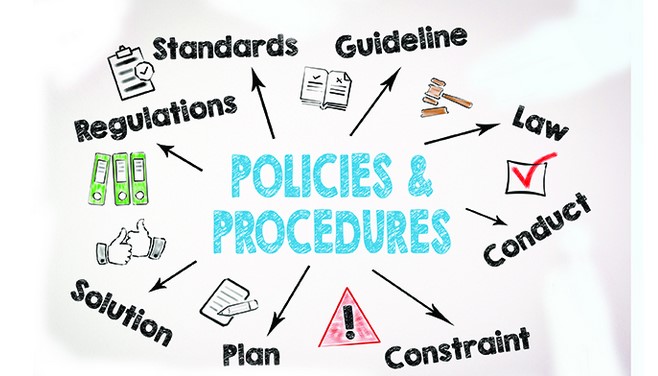
In today’s dynamic workplaces, organizations need more than informal guidelines to align employee behavior with company values and goals. Creating employee handbooks is no longer just a compliance exercise; it is a strategic opportunity to define expectations, reduce ambiguity, and foster consistency across teams. When designed thoughtfully, an employee handbook becomes a practical reference that helps employees understand how to succeed while enabling employers to communicate standards clearly and fairly from the very beginning.
The Strategic Purpose of a Modern Employee Handbook
An effective employee handbook serves as a bridge between organizational intent and daily employee behavior. Traditionally, handbooks focused heavily on rules and disciplinary procedures. While policies remain important, modern organizations are redefining the handbook as a tool for clarity, engagement, and trust.
At its core, the handbook answers critical questions employees may hesitate to ask directly. What does success look like here? How are decisions made? What behaviors are encouraged, and which are not tolerated? When these questions are addressed proactively, employees feel more confident and supported in their roles.
From an organizational perspective, a well-structured handbook reduces risk and inconsistency. Clear documentation helps ensure that managers apply policies evenly and that employees are evaluated against shared standards. This consistency is especially important in growing organizations where rapid hiring can lead to uneven communication and misunderstandings.
Moreover, employee handbooks can reinforce organizational culture. By articulating values, mission, and expected conduct, the handbook helps employees understand not just what they must do, but why it matters. This alignment strengthens accountability and creates a shared sense of purpose across departments and locations.
Defining Expectations Through Structure and Language
Clarity in an employee handbook begins with intentional structure. A logical flow helps employees quickly find relevant information, while clear language ensures policies are understood as intended. Overly complex or legalistic wording can create confusion and discourage employees from using the handbook as a reference.
One effective approach is to organize content around the employee lifecycle. This includes sections on onboarding, performance expectations, workplace conduct, compensation, time off, and career development. When expectations are presented in the context of real employee experiences, they become easier to understand and apply.
Tone is equally important. A professional yet approachable tone signals respect for employees while maintaining authority. Policies should explain expectations directly, without sounding punitive or overly rigid. Where appropriate, examples can clarify how policies apply in everyday situations, reducing the risk of misinterpretation.
Aligning Policies With Culture and Daily Practice
A common reason employee handbooks fail is misalignment between written policies and actual workplace behavior. Employees quickly notice when expectations described on paper do not reflect reality. To avoid this, handbook content should be grounded in how the organization truly operates.
Leadership involvement is essential in this process. Managers and executives should contribute to defining expectations, ensuring that policies reflect real decision-making processes and management styles. This alignment builds credibility and increases the likelihood that employees will take the handbook seriously.
Another important consideration is inclusivity. Expectations around communication, collaboration, and conduct should recognize diverse working styles and backgrounds. Clear definitions of respectful behavior, feedback processes, and conflict resolution help create a workplace where employees feel safe and valued.
Regular review is also critical. As organizations evolve, so do expectations. New technologies, hybrid work models, and changing regulations can quickly make policies outdated. Establishing a routine review process ensures that the handbook remains relevant and accurate, reinforcing trust between employees and leadership.
Implementing and Reinforcing Clear Expectations
Even the most well-written handbook has limited impact if it is treated as a one-time document. Implementation and reinforcement are key to ensuring that expectations are understood and followed consistently.
The onboarding process is the ideal moment to introduce the handbook. Rather than asking employees to simply acknowledge receipt, organizations should actively discuss key sections and explain how expectations apply to specific roles. This conversation-based approach helps employees internalize standards rather than viewing them as abstract rules.
Managers play a central role in reinforcing expectations. They should be trained to reference the handbook during performance discussions, goal-setting conversations, and conflict resolution. When employees see leaders using the handbook as a guide, it reinforces its importance and relevance.
Communication strategies can further support adoption. Periodic reminders, updates, or short training sessions focused on specific policies keep expectations top of mind. Digital handbooks with searchable content and interactive elements can also increase accessibility and engagement.
In conclusion, employee handbooks are most effective when they are treated as living tools rather than static documents. By focusing on clarity, alignment, and consistent reinforcement, organizations can use handbooks to shape behavior, support employees, and reduce uncertainty. When approached strategically, Creating employee handbooks becomes a powerful way to set clear expectations that benefit both employees and the organization as a whole.
Pitching to Angel Investors: What You Must Include

Source:https://smallbizfundingguide.org
Securing early-stage funding is one of the most critical milestones for a startup, and few opportunities are as impactful as Pitching to angel investors. Angel investors do more than provide capital; they often bring industry expertise, strategic guidance, and valuable networks. However, competition for their attention is intense, and many promising ideas fail to get funded simply because the pitch lacks clarity, structure, or relevance. This article introduces a fresh, practical framework for building an effective angel investor pitch—one that goes beyond slides and focuses on what angels truly evaluate when deciding to invest.
Understanding the Angel Investor Perspective
Before crafting a pitch, founders must understand how angel investors think. Unlike venture capital firms, angels typically invest their own money and are often former entrepreneurs or executives. Their decision-making blends financial logic with personal conviction, curiosity, and trust in the founding team.
Angel investors usually evaluate three broad elements: the problem, the people, and the potential. They want to see a real, clearly defined problem that matters to a specific market. Vague or overly broad problem statements weaken credibility. Founders should articulate the problem in a way that demonstrates firsthand understanding, ideally supported by real-world observations or early customer feedback.
The founding team is equally important. Angels invest early, when risk is highest and data is limited, so they rely heavily on the team’s ability to execute and adapt. Demonstrating complementary skills, relevant experience, and strong decision-making processes builds confidence. It is not about having a perfect resume, but about showing resilience, learning ability, and commitment.
Finally, angels care deeply about potential. This does not only mean market size, but also the startup’s ability to capture and defend value. Founders must show that the opportunity is large enough to justify the risk, while also being realistic about early traction and milestones.
Structuring a Pitch That Builds Confidence
A compelling pitch is not a list of facts; it is a narrative that connects vision with execution. One innovative way to structure an angel pitch is to think in terms of “risk reduction.” Every section of the pitch should answer the unspoken question: how does this reduce the investor’s uncertainty?
Start with a concise opening that frames the opportunity in plain language. Avoid jargon and focus on why the problem exists now. Timing is often overlooked, but angels want to know why this startup is relevant in the current market environment.
Next, present the solution with emphasis on differentiation. Rather than listing features, explain how the solution changes the customer’s experience or economics. Demonstrations, mockups, or simple user stories can be more effective than technical explanations.
What Angels Expect Beyond the Slide Deck
Many founders believe the pitch deck is the pitch, but experienced angels look beyond slides. They pay close attention to how founders communicate, respond to questions, and handle uncertainty. Preparation should therefore include more than memorizing content.
One key expectation is clarity around the business model. Angels want to understand how the startup will make money, even if the model will evolve. Clear assumptions about pricing, customer acquisition, and costs signal disciplined thinking. Overly complex revenue models at an early stage can raise concerns.
Another critical element is traction, broadly defined. Traction does not always mean revenue; it can include user engagement, pilot programs, partnerships, or strong waitlists. The key is to show evidence that someone cares about the solution. Angels look for momentum, not perfection.
Risk transparency is also essential. Founders who openly acknowledge risks—and explain how they plan to address them—are often seen as more trustworthy than those who claim everything is under control. This includes competitive risks, regulatory challenges, and execution hurdles.
Turning Interest into Investment Commitment
A successful pitch creates interest, but closing an angel investment requires follow-through. After the pitch, angels often conduct informal due diligence, reviewing documents, talking to customers, or assessing market assumptions. Founders should be prepared with organized data rooms, clear financial projections, and thoughtful answers.
Relationship-building is a crucial but underestimated aspect. Angels often invest in people they like and respect. Professional communication, timely updates, and openness to feedback can significantly influence outcomes. Even a “not now” response can turn into a future investment if handled well.
Another new idea for founders is to view angel pitching as a process rather than a single event. Each pitch is an opportunity to refine the story, test assumptions, and improve clarity. Feedback from one angel can strengthen the pitch for the next. This iterative approach increases the likelihood of success over time.
In conclusion, effective fundraising is not about persuasion alone, but about alignment between founders and investors. By understanding the angel mindset, structuring pitches around risk reduction, and building genuine relationships, startups can dramatically improve their chances of success. When done thoughtfully and strategically, Pitching to angel investors becomes less about selling an idea and more about inviting the right partners to join a shared vision for growth.