


Monthly Archives: January 2026
Best Home Charging Stations for EVs: Fast and Convenient Options
Source:https://www.digitaltrends.com
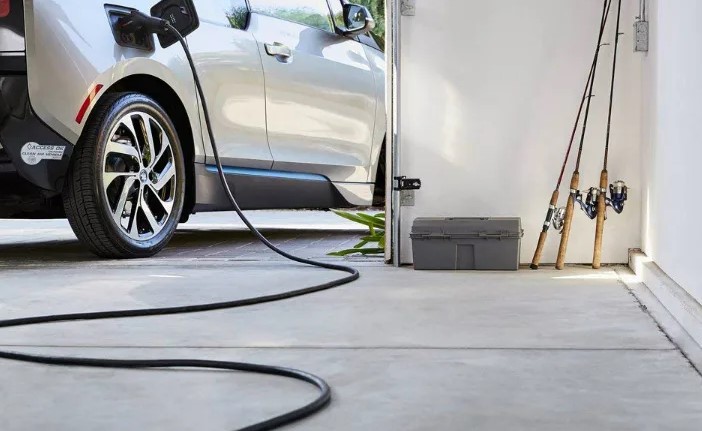
As electric vehicles (EVs) continue to become more popular, installing Best home charging stations for EVs has become an essential consideration for new and experienced EV owners alike. A reliable home charger not only offers convenience and cost savings compared to public charging, it also ensures your vehicle is ready whenever you need it. With advancements in charging technology, many units now offer faster charging speeds, smart connectivity, and user-friendly installation options. This article explores key features to look for, types of home charging stations, and top choices that effectively balance performance, convenience, and affordability.
Understanding Home EV Charging: What Matters Most
Before selecting the ideal home charging station, it’s important to understand how charging works and the technologies that differentiate one unit from another.
Level 1 vs. Level 2 Charging
Home charging stations generally fall into two categories: Level 1 and Level 2.
- Level 1 Chargers: These use a standard 120-volt household outlet and typically come included with the EV. While inexpensive and easy to use, Level 1 chargers provide slow charging speeds, often adding only 3–5 miles of range per hour. This can be sufficient for drivers with short daily commutes.
- Level 2 Chargers: Operating on 240 volts, Level 2 home chargers are faster and more practical for daily use. They can often deliver 15–50+ miles of range per hour depending on the vehicle and charger power. For most EV owners, upgrading to a Level 2 charging station significantly improves daily usability.
Key Features to Consider
When choosing the best home charging station for your needs, several factors should guide your decision:
Charging Speed
Charging speed is typically measured in kilowatts (kW). Higher kW ratings allow faster charging but may require compatible electrical infrastructure (e.g., a higher-capacity circuit or panel upgrade). Evaluate both the charger’s capacity and your EV’s onboard charger limitations to find an optimal match.
Installation Requirements
Home EV chargers usually require installation by a qualified electrician. Level 2 chargers need a dedicated 240V circuit, which may necessitate an electrical panel upgrade in some homes. Evaluate installation complexity and budget before committing to a specific model.
Connectivity and Smart Features
Modern EV chargers increasingly come with smart features such as:
- Wi‑Fi or Bluetooth Connectivity: Enable remote monitoring and control via mobile apps.
- Scheduled Charging: Allows you to take advantage of off‑peak electricity rates.
- Usage Tracking: Helps you understand charging patterns and energy consumption.
These features enhance convenience and can help reduce charging costs over time.
Durability and Warranty
Since home chargers are often installed outdoors or in garages, weather resistance and build quality matter. Look for units with robust housings and solid warranty coverage for peace of mind.
Top Home EV Charging Stations to Consider
Choosing the right charging station is not just about raw power—it’s also about reliability, features, and long‑term value. Below are some standout options across different needs and price points.
Smart and Connected Chargers
Premium Smart Chargers
These chargers are ideal for tech‑savvy users who want the most control and convenience.
- Smart App Integration: Many premium chargers offer sophisticated smartphone apps that allow scheduling, status alerts, and remote control.
- Energy Monitoring: Built‑in energy monitoring helps you track power usage and optimize charging for cost savings.
- Voice Assistant Compatibility: Integration with voice platforms (such as Google Assistant and Alexa) further enhances convenience for daily routines.
For households interested in advanced features and future‑proof connectivity, smart chargers deliver a robust user experience.
Affordable and Reliable Chargers
Budget‑Friendly Options
If simplicity and value are priorities, there are excellent home charging stations that focus on essential features without premium pricing.
- Basic Level 2 Charging: Units in this category typically offer reliable performance and sufficient charging power for most daily driving needs.
- Durable Construction: Even budget chargers can provide solid durability with good weather resistance and straightforward operation.
- Plug‑and‑Play Design: Easier for electricians to install, reducing total installation costs.
These models are perfect for EV owners who want dependable performance without unnecessary extras.
Heavy‑Duty and High‑Power Chargers
Fast Charging for High‑Usage Households
Some electric vehicle owners have high daily mileage or multiple EVs to charge. For these scenarios, higher‑power Level 2 chargers can be especially valuable.
- Increased Power Delivery: Chargers with higher amperage (e.g., 40–48 amps or more) can deliver faster charging speeds, making them suitable for larger battery packs or frequent use.
- Dual‑Vehicle Support: Certain models allow for power sharing between two vehicles, which is ideal for households with more than one EV.
- Robust Cooling and Safety: Higher‑capacity units typically include enhanced thermal management and safety features to support continuous use.
These chargers suit EV owners with heavy usage patterns or those planning for future EV additions.
Making the Right Choice for Your Home
Selecting the best home charging station for EVs requires aligning your expectations with your home’s infrastructure and driving habits.
Evaluate Your Daily Charging Needs
Start by considering your typical daily mileage and EV battery size. If you drive short distances, a standard Level 2 charger with moderate power may suffice. Long daily commutes or frequent long trips may justify a higher‑capacity unit.
Check Home Electrical Capacity
Before purchasing a charger, consult with a licensed electrician to assess your home’s electrical panel and wiring capacity. Upgrading to Level 2 charging can sometimes require panel upgrades, particularly in older homes.
Consider Long‑Term Use and Future EVs
If you plan to upgrade your vehicle in the future or add a second EV, choose a charger with flexibility. Features like adjustable amperage and future connectivity upgrades make long‑term ownership more affordable and convenient.
Investing in the Best home charging stations for EVs enhances the convenience, efficiency, and overall ownership experience of electric vehicles. By understanding your driving patterns, evaluating charging speed needs, and selecting a unit with the right balance of features and durability, you can ensure that your EV is always ready to go. Whether you prioritize smart connectivity, high‑power performance, or budget‑friendly simplicity, there are home charging options that meet your requirements and make daily charging seamless and cost‑effective.
How to Stay Entertained on Long Drives: Tips for a Fun Road Trip

Source:https://www.sandandorsnow.com
Long drives can be both exhilarating and exhausting, depending on how well you plan your journey. For many travelers, the question of how to stay entertained on long drives is crucial for maintaining energy, reducing fatigue, and making the trip enjoyable. Whether it’s a cross-country adventure, a weekend getaway, or a daily commute over extended distances, staying engaged during hours on the road can transform an otherwise monotonous experience into an opportunity for fun, learning, and connection. This article explores practical strategies, technology tips, and creative ideas to keep drivers and passengers entertained during long trips.
Planning Ahead for a Smooth and Enjoyable Drive
Preparation is key to maintaining both mental alertness and engagement on long drives. Proper planning allows travelers to anticipate potential downtime and ensure a seamless journey.
Organize Your Playlist and Audiobooks
Music and audio entertainment are essential components of an enjoyable road trip. Creating playlists that cater to the preferences of both the driver and passengers helps maintain a lively atmosphere. Consider mixing genres and including both familiar favorites and new discoveries to prevent monotony.
Audiobooks and podcasts are also excellent options. Listening to engaging stories, educational content, or humorous podcasts can make time pass quickly and even spark interesting conversations. Many modern car infotainment systems allow for seamless integration of streaming services, so travelers can access an extensive library of content without frequent interruptions.
Plan Breaks and Scenic Stops
Sitting for long periods can lead to fatigue, so scheduling regular breaks is crucial for both physical comfort and mental engagement. Identify scenic routes, landmarks, or roadside attractions along the way to make stops more interesting. Stretching, walking, or simply taking in the surroundings helps restore energy and provides natural entertainment beyond the confines of the vehicle.
Additionally, planning stops at unique eateries or local points of interest can enrich the road trip experience, allowing travelers to sample new cuisines, culture, or history along the route.
In-Car Entertainment Strategies
Even with music and scenic stops, long stretches of driving can become monotonous. Implementing in-car entertainment strategies keeps both drivers and passengers engaged without compromising safety.
Interactive Games and Challenges
Road trips are ideal for interactive games that encourage participation and creativity. Traditional games like “I Spy,” “20 Questions,” or license plate challenges are easy to play without any equipment. For older passengers or adults, trivia quizzes or storytelling rounds can stimulate the mind and foster a fun competitive spirit.
Some families or groups may also enjoy GPS-based games, where travelers attempt to guess destinations, distances, or travel times. Mobile apps designed for road trip entertainment can offer additional challenges, puzzles, or scavenger hunts tailored to the journey.
Utilize Mobile Technology Wisely
While smartphones and tablets are ubiquitous, responsible usage is key to ensuring safety and enjoyment. Passengers can use devices to stream movies, play games, or explore interactive maps that provide information about landmarks along the route. Mobile applications for road trip planning often include audio guides, historical facts, or curated itineraries that add an educational component to the drive.
For drivers, voice-activated controls and steering-wheel-integrated infotainment systems allow access to music, navigation, and communications without distraction. Ensuring all devices are charged and compatible with the car’s system before departure reduces downtime and keeps everyone engaged.
Incorporate Social Interaction and Conversation
One of the most overlooked forms of entertainment on long drives is conversation. Engaging discussions, storytelling, or sharing travel experiences strengthen bonds and make the journey feel shorter. Conversation topics can range from personal anecdotes to discussions about current events, travel plans, or even planning future trips together.
Passengers can also take on roles such as co-navigators, keeping track of mileage, directions, or landmarks. Involving everyone in the journey fosters collaboration and keeps the travel experience interactive.
Additional Tips for Enhancing Road Trip Enjoyment
Beyond music, games, and conversation, several supplemental strategies can improve overall engagement and comfort during long drives.
Healthy Snacks and Hydration
Maintaining energy levels is critical for mental alertness. Stocking the vehicle with a variety of healthy snacks, such as nuts, fruits, or granola bars, helps sustain focus and prevents boredom-induced cravings. Hydration is equally important; water, juice, or light beverages keep passengers refreshed and alert.
Comfortable Seating and Climate Control
Physical comfort directly impacts how enjoyable a long drive feels. Ensuring seats are properly adjusted, using supportive cushions if necessary, and maintaining a comfortable temperature within the vehicle prevents discomfort that can detract from entertainment. Small adjustments, such as window shades or blankets, can also improve overall travel satisfaction.
Incorporate Learning and Exploration
Long drives provide an opportunity to learn or explore topics of interest. Listening to educational podcasts, language lessons, or travel documentaries can turn idle time into productive engagement. For families, this can include fun learning activities for children, such as geography quizzes or storytelling exercises.
Knowing how to stay entertained on long drives transforms lengthy journeys from tedious chores into memorable experiences. By combining music, audiobooks, interactive games, scenic stops, and meaningful conversation, travelers can maintain energy, enhance engagement, and enjoy the road to its fullest. Incorporating technology responsibly, planning ahead, and focusing on comfort further ensures that each mile contributes to a fun and fulfilling road trip. With these strategies, long drives become an opportunity for adventure, learning, and connection rather than mere travel time.
Best Budget Track Cars: Affordable Options for Racing Enthusiasts

Source:https://driver61.com
For motorsport enthusiasts who want to experience the thrill of track driving without breaking the bank, identifying the Best budget track cars is essential. Track days and amateur racing events can be expensive, but with careful selection, it’s possible to find vehicles that offer excitement, performance, and reliability at a fraction of the cost of high-end sports cars. These cars provide an entry point into motorsport, allowing drivers to learn, develop skills, and enjoy spirited driving on circuit layouts without enormous financial commitments. This article explores what makes a car suitable for track use, highlights top affordable options, and provides practical guidance for choosing the right budget-friendly track vehicle.
Key Considerations for Selecting a Budget Track Car
When evaluating potential track cars, several factors influence both performance and long-term satisfaction. Choosing the right vehicle involves balancing speed, handling, reliability, and cost of ownership.
Performance vs. Affordability
A budget track car should deliver competitive performance without demanding significant modifications or repairs. Look for cars with strong engine characteristics, responsive handling, and solid braking performance. While turbocharged or high-horsepower vehicles can be exciting, naturally aspirated cars often offer predictable power delivery, reduced maintenance costs, and lower repair expenses.
Weight plays a crucial role on the track. Lightweight cars tend to accelerate faster, handle corners more effectively, and reduce tire and brake wear. Vehicles with a favorable power-to-weight ratio often outperform higher-powered but heavier counterparts, making them ideal for beginners or budget-conscious racers.
Reliability and Maintenance
Track use places significant stress on a vehicle. Engines, transmissions, suspension components, and brakes are subjected to sustained high loads and temperatures. Choosing cars known for reliability ensures fewer breakdowns and lower repair costs. Additionally, models with widely available parts and strong aftermarket support make maintenance and upgrades easier and more cost-effective.
Handling and Suspension
Cornering capability is a defining characteristic of any track car. Look for vehicles with balanced chassis dynamics, responsive steering, and adjustable suspension options. Cars that allow for suspension tuning, including coilover systems or sway bars, provide flexibility to optimize handling for different track conditions.
Tires are another critical factor. Vehicles with widely available performance tires reduce costs while improving grip and handling on track surfaces. Understanding the vehicle’s weight distribution and suspension geometry helps ensure predictable behavior during high-speed maneuvers.
Top Affordable Track Cars for Enthusiasts
Several models consistently stand out as excellent budget track cars, offering a mix of performance, reliability, and value.
Compact Lightweight Sports Cars
Mazda MX-5 Miata:
The MX-5 Miata is widely regarded as one of the best budget track cars due to its lightweight design, rear-wheel-drive layout, and precise handling. It is relatively inexpensive to purchase and maintain, with a strong aftermarket community for upgrades. The car’s nimbleness makes it ideal for tight, technical tracks, and its naturally aspirated engine offers smooth, predictable power delivery.
Toyota 86 / Subaru BRZ:
These twin models offer balanced chassis dynamics and rear-wheel-drive performance at an affordable price. With responsive handling, low center of gravity, and solid braking capabilities, they provide a satisfying driving experience. Both models benefit from extensive aftermarket support, making it easy to upgrade suspension, brakes, and other components for track use.
Affordable High-Performance Sedans
BMW E36 / E46 3 Series:
Older BMW 3 Series models, particularly the E36 and E46 generations, offer strong performance, rear-wheel-drive handling, and well-engineered chassis dynamics. With relatively low initial costs, these sedans can be upgraded with performance brakes, tires, and suspension components for track readiness. Their smooth inline-six engines provide reliable power delivery and modifiability.
Honda Civic Si / Integra Type R (Older Generations):
Honda’s smaller performance sedans and coupes are lightweight, agile, and easy to maintain. The engines respond well to modifications, and aftermarket support is extensive. High-revving naturally aspirated engines and precise steering make these vehicles particularly fun for track days and autocross events.
Practical Considerations for Used Track Cars
While budget options are attractive, careful inspection of used vehicles is crucial. Focus on:
- Engine and Transmission Health: Check for leaks, unusual noises, and service history to avoid costly repairs.
- Suspension and Brakes: Inspect for wear and ensure components can withstand track stress.
- Chassis Integrity: Look for signs of rust, frame damage, or previous accident repairs that could compromise safety.
Upgrading safety equipment, such as installing a roll bar, harnesses, or track-approved tires, is essential for responsible track use.
Choosing the Best budget track cars requires balancing affordability, performance, and reliability. Lightweight sports cars, well-engineered sedans, and performance-oriented coupes all offer excellent entry points into motorsport without the expense of high-end exotic cars. By prioritizing handling, durability, and cost-effective maintenance, racing enthusiasts can enjoy exhilarating track experiences while keeping long-term expenses manageable. With the right vehicle and proper preparation, budget-friendly track cars can deliver thrilling performance and lasting enjoyment for both amateur and aspiring professional drivers.
Best Off-Road Winches: Essential Tools for Extreme Terrain

Source:https://www.fabfours.com
For serious off-road enthusiasts, having the right recovery gear is as important as the vehicle itself, and selecting the Best off-road winches can mean the difference between a successful adventure and being stranded in the wilderness. Off-road winches provide a reliable method to pull vehicles out of mud, sand, snow, or rocky terrain, ensuring safety and efficiency during challenging expeditions. Modern winches combine high-strength materials, advanced motors, and precise control systems to handle extreme loads under difficult conditions. This article explores what makes an off-road winch indispensable, the features to consider when choosing one, and highlights some of the top options available for enthusiasts and professionals alike.
Understanding Off-Road Winches and Their Importance
Winches are mechanical devices designed to pull in or let out heavy loads, often using a motorized spool of steel or synthetic rope. In off-road scenarios, a winch can rescue a stuck vehicle, assist in vehicle recovery for others, or even help navigate obstacles that would otherwise be impassable.
Key Components of a Winch
- Motor: The motor provides the necessary torque to pull heavy loads. Electric winches powered by the vehicle battery are the most common for off-road use, while hydraulic winches offer higher continuous power but require a compatible hydraulic system.
- Cable or Rope: Winches use either steel cable or synthetic rope. Steel cables are extremely durable and resist abrasion, while synthetic ropes are lighter, safer, and easier to handle.
- Gear System: Gears amplify the motor’s power, allowing a winch to pull much heavier loads than the motor alone could handle. Planetary gear systems are common in off-road winches due to their compact design and strength.
- Control Mechanism: Remote controls or wired switches allow operators to manage the winch safely from a distance. Modern winches may also include wireless remotes for added convenience.
Why a Winch is Essential for Off-Roading
Off-road terrain is unpredictable, and even the most experienced drivers can encounter situations where traction is insufficient or obstacles are impassable. Winches provide a controlled means of recovery, reducing the risk of injury, vehicle damage, or prolonged exposure to harsh conditions. In addition to self-recovery, winches are often used in rescue operations, helping stranded vehicles and ensuring group safety during off-road expeditions.
Features to Consider When Choosing the Best Off-Road Winches
Selecting the right winch requires a careful evaluation of capacity, durability, and usability. Not all winches are suitable for every vehicle or terrain.
Pulling Capacity and Safety Margin
The most critical specification is the pulling capacity, typically measured in pounds or kilograms. A general rule of thumb is to choose a winch with a rated capacity at least 1.5 times the gross weight of the vehicle. This ensures a safety margin for extreme situations, such as pulling from steep inclines or through heavy mud.
Power Source and Efficiency
Electric winches are common due to their convenience and compatibility with vehicle batteries. However, battery performance and wiring quality directly affect winch efficiency. Hydraulic winches, while more complex, provide consistent power and are ideal for vehicles with high hydraulic output systems. The choice between electric and hydraulic should consider vehicle compatibility, expected usage, and terrain conditions.
Cable Material and Management
Steel cables are durable and resistant to abrasion, making them suitable for rugged terrains with sharp rocks. Synthetic ropes are lightweight, easier to handle, and safer if they snap under load, as they store less kinetic energy. A winch with a smooth spool and roller fairlead helps prevent tangling, extending cable life and improving safety during operation.
Durability and Weather Resistance
Off-road winches are exposed to water, mud, sand, and extreme temperatures. High-quality winches use corrosion-resistant materials, sealed motors, and rugged housings to ensure longevity. IP-rated seals and waterproof components are particularly important for vehicles that frequently cross streams or traverse muddy trails.
Ease of Installation and Operation
A winch should be straightforward to mount on a vehicle and easy to operate in stressful situations. Many modern off-road winches come with modular mounting kits and intuitive controls, including wired and wireless remotes. Quick setup and reliable operation save time and reduce risks when recovery is urgent.
Leading Types of Off-Road Winches for Different Needs
The market offers a variety of winches, each tailored to specific vehicles and applications.
Compact Winches for Light Vehicles
Compact winches are designed for smaller off-road vehicles like ATVs, UTVs, and lightweight SUVs. These winches offer sufficient power for moderate recovery tasks while maintaining a low profile and light weight, which is essential for vehicles with limited payload capacity.
Standard Winches for SUVs and Pickup Trucks
Standard electric winches cater to most off-road SUVs and pickup trucks. With capacities ranging from 8,000 to 12,000 pounds, they can handle heavy mud, snow, or sand recoveries. These winches are versatile, offering a balance of power, affordability, and ease of installation.
Heavy-Duty Winches for Extreme Off-Roading
For serious off-roaders and commercial recovery operations, heavy-duty winches provide capacities exceeding 12,000 pounds. These units often feature robust motors, reinforced housings, and advanced thermal management, enabling them to perform in prolonged recovery scenarios without overheating or mechanical failure.
Investing in the Best off-road winches is essential for anyone serious about off-road exploration or professional vehicle recovery. By understanding the factors that determine winch effectiveness—including pulling capacity, power source, cable material, and durability—drivers can select equipment that ensures both safety and reliability in extreme terrain. Whether used for recreational off-roading, expedition travel, or professional recovery operations, a high-quality off-road winch provides peace of mind and enhances the overall off-road experience, making it an indispensable tool for tackling challenging environments.
Best Cargo Vans: Top Choices for Business and Transport Needs
Source:https://goshare.co
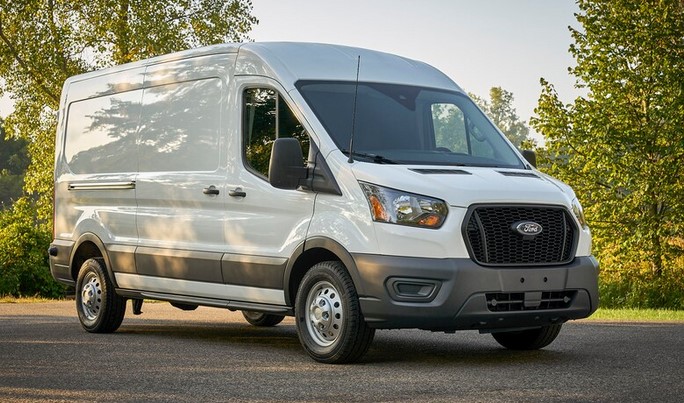
Selecting the Best cargo vans is a critical decision for businesses and professionals who depend on reliable transportation to move goods, tools, and equipment efficiently. Cargo vans are the backbone of many industries, from logistics and construction to delivery services and mobile workshops. Modern cargo vans are no longer just empty boxes on wheels; they combine advanced safety systems, fuel-efficient powertrains, flexible cargo configurations, and driver-focused comfort. This article explores what makes a cargo van truly effective, examines the leading categories available today, and provides practical guidance for choosing the right model for diverse business and transport needs.
Key Factors That Define a High-Quality Cargo Van
Before comparing specific options, it is important to understand the core characteristics that separate an average cargo van from a truly dependable work vehicle. The right balance of performance, capacity, and operational efficiency directly affects productivity and long-term ownership costs.
Cargo Capacity, Dimensions, and Flexibility
Cargo space is the primary reason for choosing a cargo van, but capacity should be evaluated beyond simple volume numbers. Interior height, load floor length, and door opening dimensions all influence how easily goods can be loaded and organized.
Many modern cargo vans offer multiple roof heights and wheelbase lengths, allowing businesses to select configurations that match their specific requirements. High-roof models enable standing room inside the cargo area, which is especially valuable for tradespeople who work from within the van. Wide rear and sliding side doors improve accessibility, reducing loading time and physical strain.
Upfitting flexibility is another major advantage. Shelving systems, partition walls, ladder racks, refrigeration units, and mobile workshop conversions allow cargo vans to be customized for specialized tasks. A van that supports modular upfits can adapt as business needs evolve, extending its useful lifespan.
Powertrain Options and Fuel Efficiency
Engine performance and efficiency play a significant role in daily operating costs. Cargo vans are now available with a range of powertrain options, including traditional gasoline engines, diesel engines, hybrid systems, and fully electric drivetrains.
Gasoline engines typically offer lower upfront costs and smooth performance, making them suitable for urban and suburban use. Diesel engines are often favored for their torque and efficiency, particularly for heavy loads and highway driving. Electric cargo vans are gaining popularity for local delivery routes, offering low running costs, quiet operation, and zero tailpipe emissions.
Transmission options, towing capacity, and payload ratings should also be considered. A well-matched powertrain ensures that the van can handle daily workloads without excessive wear or fuel consumption.
Leading Categories of Cargo Vans for Different Business Needs
Rather than focusing on a single “best” model, it is more practical to evaluate cargo vans by category, as different businesses have different priorities.
Compact Cargo Vans for Urban Operations
Compact cargo vans are ideal for businesses operating primarily in cities. Their smaller footprint makes them easier to maneuver in tight spaces and park in crowded areas, while still providing ample cargo room for light to moderate loads.
These vans are commonly used by couriers, service technicians, and small retail businesses. They offer good fuel efficiency, lower purchase prices, and reduced maintenance costs compared to larger vans. While they may not handle heavy payloads, their agility and efficiency make them highly effective for last-mile delivery and service calls.
Full-Size Cargo Vans for Heavy-Duty Work
Full-size cargo vans are the workhorses of the commercial vehicle world. Designed to carry large volumes and heavy loads, they are well-suited for construction, plumbing, electrical work, and large-scale delivery operations.
These vans typically offer multiple body styles, roof heights, and drivetrain options, including rear-wheel drive and all-wheel drive for improved traction. Advanced driver-assistance features such as blind-spot monitoring, lane-keeping assistance, and adaptive cruise control enhance safety, especially for long workdays on busy roads.
Electric Cargo Vans for Sustainable Fleets
Electric cargo vans represent a growing segment focused on sustainability and long-term cost savings. They are particularly attractive for businesses with predictable routes and access to charging infrastructure.
Electric vans provide instant torque, smooth acceleration, and significantly lower energy and maintenance costs. While range limitations still exist, many models are well-suited for daily urban delivery routes. Incentives and regulations promoting low-emission vehicles further strengthen their appeal for forward-thinking businesses.
Choosing the Right Cargo Van for Long-Term Success
Making the right cargo van choice requires a holistic evaluation of operational needs, budget, and future growth plans.
Assessing Total Cost of Ownership
The purchase price is only one part of the equation. Fuel or energy costs, maintenance, insurance, depreciation, and downtime all contribute to the total cost of ownership. A slightly more expensive van with better fuel efficiency or lower maintenance requirements may prove more economical over time.
Warranty coverage and service network availability are also important. A van supported by a strong dealer network can reduce downtime and ensure faster repairs, which is critical for businesses that rely on consistent vehicle availability.
Driver Comfort and Safety
Driver comfort is often overlooked, but it directly impacts productivity and job satisfaction. Modern cargo vans now include ergonomic seating, advanced infotainment systems, climate control, and noise reduction features. A comfortable driver is more alert, efficient, and less prone to fatigue-related errors.
Safety technology is equally important. Features such as automatic emergency braking, rearview cameras, parking sensors, and stability control help prevent accidents and protect both drivers and cargo.
Scalability and Future Needs
Businesses evolve, and transportation needs can change rapidly. Choosing a cargo van platform that offers multiple configurations or supports future upfitting allows for easier expansion. Fleets may also benefit from telematics systems that track vehicle usage, maintenance schedules, and driver behavior, improving efficiency and cost control over time.
Choosing the Best cargo vans is a strategic investment that directly influences operational efficiency, safety, and long-term profitability. By understanding key factors such as cargo capacity, powertrain options, and total cost of ownership, businesses can identify vans that align with their specific transport needs. Whether opting for compact urban vans, heavy-duty full-size models, or innovative electric options, the right cargo van supports growth, reliability, and success in an increasingly competitive business environment.