


Daily Archives: December 10, 2025
DIY Trellis Structures: Enhance Your Garden with Vertical Gardens
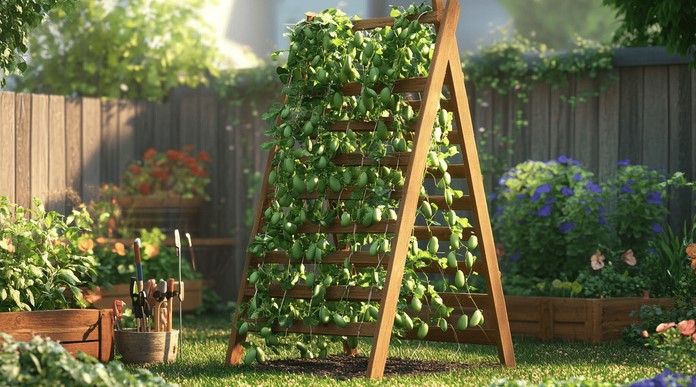
Source:https://www.thepaintedhinge.com
Vertical gardening has become one of the most popular trends in modern landscaping, especially for those looking to maximize limited space. If you’re trying to add more greenery to a small backyard or elevate the aesthetic of your outdoor area, DIY trellis structures are an excellent way to introduce vertical elements that are both functional and beautiful. These structures can support climbing plants, vines, and flowers, turning any garden into a lush, green oasis. In this article, we’ll explore the benefits of building your own trellis structures, provide step-by-step guidance on how to create them, and suggest ways to incorporate them into your garden design. Whether you’re a seasoned gardener or a beginner, DIY trellis structures can add a unique and personal touch to your landscape.
The Benefits of DIY Trellis Structures in Your Garden
Creating your own DIY trellis structures offers numerous advantages, both in terms of aesthetics and practicality. Not only do trellises make great plant supports, but they can also serve as attractive focal points in the garden, adding height, dimension, and visual interest.
1. Maximizing Space
One of the most significant advantages of vertical gardens is that they help you make the most of limited space. Many plants, especially climbing vegetables like peas, cucumbers, or tomatoes, or flowering vines such as clematis and morning glories, naturally grow upwards. With a DIY trellis structure, you can give these plants the support they need while freeing up valuable ground space for other plants. This is especially useful in smaller gardens, urban spaces, or patios, where space for traditional garden beds is limited.
A vertical garden also allows you to create layers of greenery. Instead of having all plants spread horizontally, you can stack them in tiers, with trellises allowing different plant types to grow vertically. This helps to optimize sunlight exposure and air circulation for each plant, contributing to healthier growth and more abundant harvests.
2. Aesthetic Appeal
DIY trellis structures can also significantly enhance the overall aesthetics of your garden. They act as living sculptures, providing structure and focal points that elevate the beauty of your space. When covered in climbing plants and flowers, a trellis can transform a simple garden into an enchanting space. Imagine walking through your garden with vibrant flowers cascading from trellises, or a fragrant vine wrapping around the structure, creating a delightful sensory experience.
The variety of materials and designs available for trellises means you can customize them to suit any garden style. Whether you prefer a rustic, wood-paneled design or a sleek, metal contemporary structure, DIY trellises can be tailored to match your personal style and the overall aesthetic of your garden.
3. Plant Health and Growth
Trellises do more than just provide a climbing surface—they can also improve the health of your plants. By elevating vines and climbing plants off the ground, DIY trellis structures help reduce the risk of disease and pest infestations, as plants are less likely to come into contact with the soil. The improved air circulation around the plants can also reduce fungal infections and promote healthier growth.
Additionally, trellises can prevent plants from sprawling or becoming too tangled, which can hinder their ability to absorb sunlight and water. Climbing plants that are properly supported by a trellis tend to grow more vigorously, and their fruits or flowers are easier to harvest or enjoy.
Building Your Own DIY Trellis Structure
Now that we’ve explored the benefits of adding DIY trellis structures to your garden, let’s dive into how you can build your own. Whether you’re an experienced DIY enthusiast or just starting, creating a trellis is a simple and rewarding project.
1. Choose the Right Materials
The first step in building your own trellis is selecting the right materials. The most common materials for trellises include:
- Wood: Wood is a classic option that blends well with most garden styles. Pressure-treated lumber, cedar, or redwood are durable options that can withstand outdoor conditions. Wood is easy to work with, making it a good choice for beginners.
- Metal: If you prefer a more industrial or contemporary look, metal trellises are an excellent choice. Wrought iron, steel, and galvanized metal provide a sturdy frame that can support heavy vines and plants.
- PVC: For a more lightweight option, PVC pipe is affordable, easy to handle, and resistant to weathering. It can be painted to match your garden’s theme and is perfect for small or temporary trellis structures.
- Bamboo: Bamboo is a sustainable, lightweight option that adds a natural, tropical feel to your garden. It is also strong and flexible, making it ideal for trellis projects.
The choice of material will depend on your garden’s aesthetic, the plants you plan to grow, and how long you expect the trellis to last.
2. Design Your Trellis
Before you start constructing, think about the design of your trellis. The most common types of trellises include:
- A-Frame: This design resembles a triangle and is perfect for supporting vines that need to grow upward. The A-frame trellis is ideal for plants that require a sturdy structure, such as tomatoes or cucumbers.
- Ladder or Screen Trellis: A ladder-style trellis consists of horizontal rungs attached to two vertical supports. It’s great for small spaces and can support climbing plants like peas, beans, or morning glories.
- Arch Trellis: A beautifully curved arch trellis can serve as a dramatic focal point in your garden. It’s often used at entrances or to create a pathway for plants like roses or climbing vines to cascade down.
- Flat Panel Trellis: This trellis style is a simple, flat design that can be attached to walls, fences, or existing garden structures. It’s ideal for covering large areas with vines and can serve as a green screen or privacy barrier.
Consider the amount of space available, the types of plants you intend to grow, and how the trellis will fit into the overall design of your garden when choosing the type of structure to build.
3. Step-by-Step Construction
Once you’ve selected your materials and design, it’s time to start building. Below is a basic step-by-step guide for constructing a simple wooden A-frame trellis:
- Materials Needed: Two 6-foot wooden posts, four 4-foot horizontal wooden slats, screws, a drill, a saw, measuring tape, and a level.
- Step 1: Cut the two vertical posts to your desired height (usually around 6 feet). Cut the horizontal slats to the width of your design (typically 4 feet).
- Step 2: Attach two slats to the vertical posts using screws to create a sturdy base. Make sure the slats are evenly spaced and perpendicular to the posts.
- Step 3: Use the remaining two slats to create the top section of the A-frame. Position these slats across the vertical posts, forming the top of the triangle.
- Step 4: Secure all the joints with screws, ensuring the structure is stable.
- Step 5: Place the trellis in the desired location in your garden and anchor it to the ground if necessary.
You can then train your climbing plants to grow up the structure by gently guiding their stems towards the trellis and securing them with soft ties as they grow.
DIY trellis structures are a fantastic way to enhance your garden with vertical gardening solutions. Whether you’re looking to save space, add a touch of elegance, or improve plant health, building your own trellis can provide a functional and aesthetically pleasing solution. With the right materials, design, and a bit of effort, you can create a trellis that not only supports your climbing plants but also adds beauty and structure to your outdoor space. By incorporating DIY trellis structures into your garden, you can enjoy the benefits of vertical gardening and transform even the smallest of spaces into a lush, green paradise.